
Best time to see Aurora Borealis in Iceland
Chasing the Celestial Dance: Your Guide to Iceland's Aurora Borealis
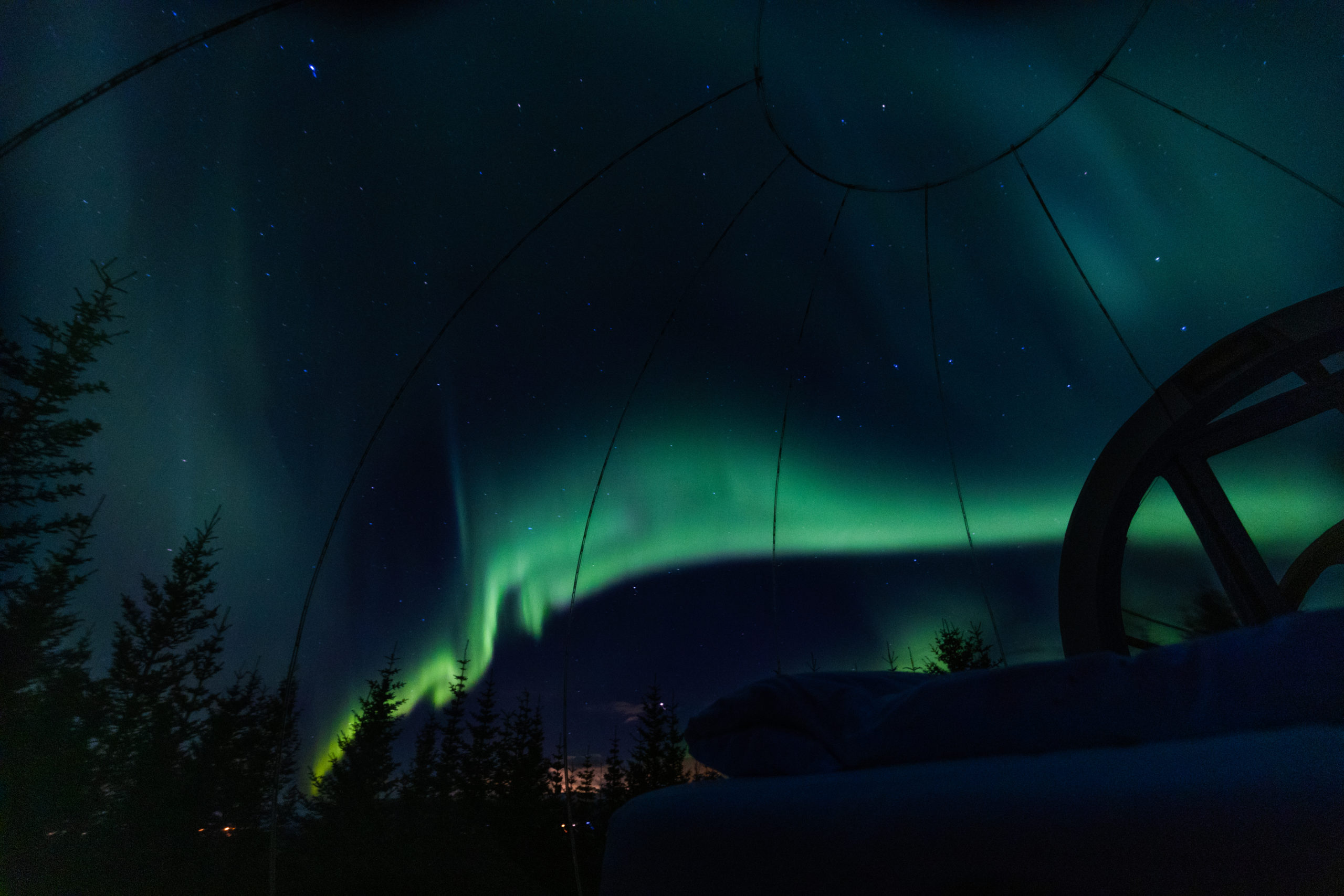
Witnessing the Aurora Borealis in Iceland is a bucket-list experience for many, a mesmerizing celestial ballet that paints the Arctic skies with vibrant hues. These spectacular events, often referred to as the Northern Lights, are a direct result of space weather – charged particles from solar eruptions interacting with Earth's magnetic field and atmosphere. Iceland, situated perfectly within the auroral oval, offers some of the world's most prime viewing opportunities. To truly maximize your chances of seeing this natural wonder, understanding the optimal conditions and timing is paramount. This guide will illuminate the best times and tips for your unforgettable aurora hunt in the land of fire and ice.
The Golden Window: Iceland's Dark Winter Months

The most crucial factor for aurora visibility is darkness, and Iceland's long winter nights provide the perfect canvas. From late September to late March, the country plunges into extended periods of darkness, offering ample hours for the Northern Lights to appear. While auroras are technically present year-round, the continuous daylight of the Icelandic summer makes them invisible. Therefore, planning your trip within these months significantly increases your odds. The peak season generally runs from October to February, when the nights are at their longest and darkest, creating an ideal environment for these ethereal displays to shine brightly across the sky.
Beyond Darkness: The Imperative of Clear Skies

Even with optimal darkness, clear skies are absolutely essential for aurora viewing. Clouds act as a natural curtain, obscuring any potential light show. Iceland's weather is famously unpredictable, with conditions changing rapidly. Therefore, flexibility is key. It's advisable to check local aurora forecasts and cloud cover predictions regularly. Many tour operators and local websites provide real-time updates. Seeking locations away from coastal cloud formations or higher elevations can sometimes offer better chances. Patience and persistence are virtues when chasing the Northern Lights, as clear patches can emerge unexpectedly, revealing the aurora in all its glory.
Harnessing Solar Power: Geomagnetic Activity and Aurora Strength

The intensity and vibrancy of the aurora are directly linked to solar activity and subsequent geomagnetic storms. These space weather events cause charged particles to stream towards Earth, resulting in more energetic and visible displays. While we can't control the sun, monitoring Kp-index forecasts can help predict the likelihood and strength of an aurora. A higher Kp-index (e.g., Kp 3 or above) indicates increased geomagnetic activity and a greater chance of a spectacular show. While even a low Kp can produce beautiful auroras, a strong solar event can transform the sky into an unforgettable spectacle of dancing colors.
Timing Your Gaze: The Best Hours of the Night

While the entire dark period offers potential, the best hours for aurora viewing in Iceland typically fall between 9 PM and 2 AM. This window often sees the most active and intense displays. However, it's important to remember that the aurora is a natural phenomenon and can appear at any time during the dark hours. Many aurora hunters recommend being prepared to wait and scan the sky periodically. Dress warmly, bring hot drinks, and find a comfortable spot away from artificial lights. The anticipation is part of the experience, and the reward of seeing the lights dance after a patient wait is truly magical.
Escaping the Glow: The Importance of Dark Skies

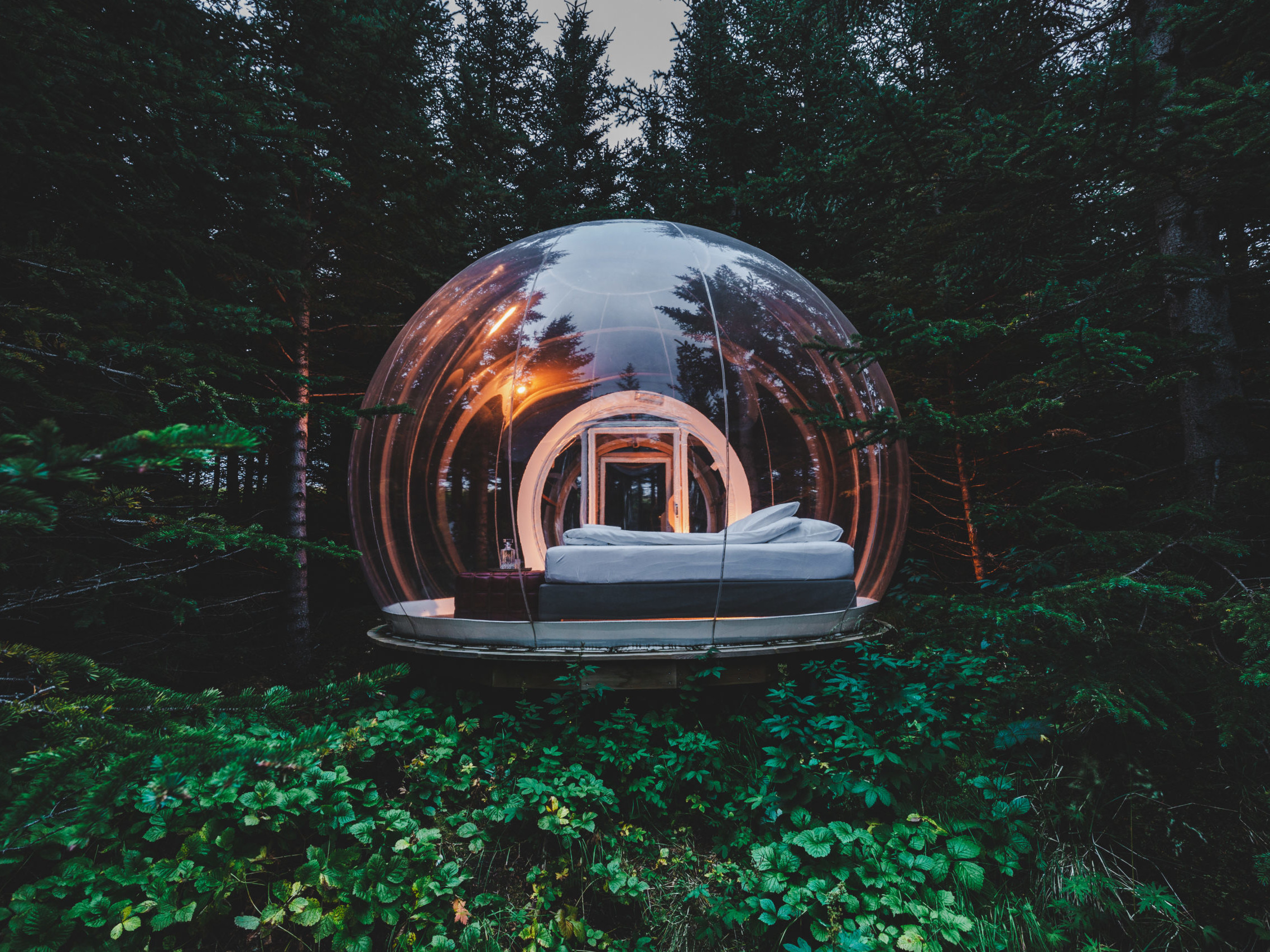
To fully appreciate the aurora's subtle beauty, it's crucial to escape light pollution. City lights, even small towns, can significantly diminish the visibility and vibrancy of the Northern Lights. Venturing into the remote Icelandic countryside is highly recommended. Popular spots include areas around the Golden Circle, the Snæfellsnes Peninsula, or the vast landscapes of the Highlands (accessible in winter with guided tours or appropriate vehicles). The darker the location, the more vivid and detailed the aurora will appear. Consider staying in rural accommodations or joining a dedicated aurora hunting tour to ensure you're in the most pristine dark-sky environments.

When Is The Best Time To Visit Iceland?
Text by Sonia Nicolson
When’s The Best Time To Visit Iceland, Summer or Winter?
First off, of course you can travel to Iceland all year round as there really isn’t a high season anymore, but one of the main questions we get asked is wether to visit Iceland in the summer or winter. Weather is a big factor in planning a trip to Iceland. The weather here is incredibly unpredictable and it is commonly said that “if you don’t like the weather, wait 5 minutes”. You can often experience both summer and winter weather in one day, and in any season, so it’s advised to expect the worst and hope for the best.
Many travellers come to Iceland in summer as they feel winter will be too challenging but winter is slowly becoming as popular so which is better? It’s a hard question to answer as both seasons have a lot to offer, so instead of recommending one, here are a few highlights for each season to help can decide.
WINTER – A Winter Wonderland
Let’s start with winter (October – April), winter in Iceland is so different from the soft green mossy landscapes of summer (June – August). This otherworldly landscape is covered in a white blanket of snow with stark contrasting black lava pecking through. Both are beautiful and should be experienced if you are lucky enough to travel here more than once.
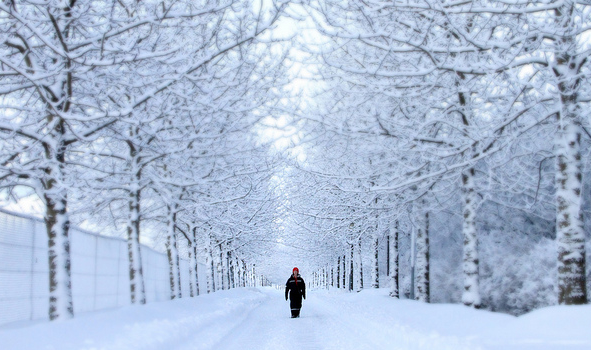
Snow, Sunsets and Frozen Waterfalls
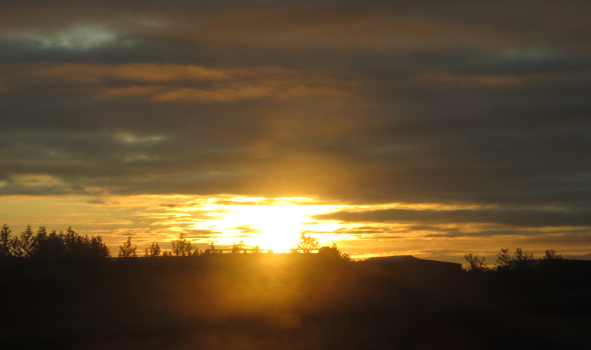
In winter the days are short with sun rising at 10:45 and setting at 16:00. The sunsets are stunning with pink, yellow and orange glowing wisps across the afternoon sky. You will probably see some of the most incredible sites set with a wonderful wintery wonderland backdrop. Frozen waterfalls are just stunning but be careful as they can be very slippery and dangerous. If there is a ‘no access’ sign, please respect this as it’s there for your own protection.
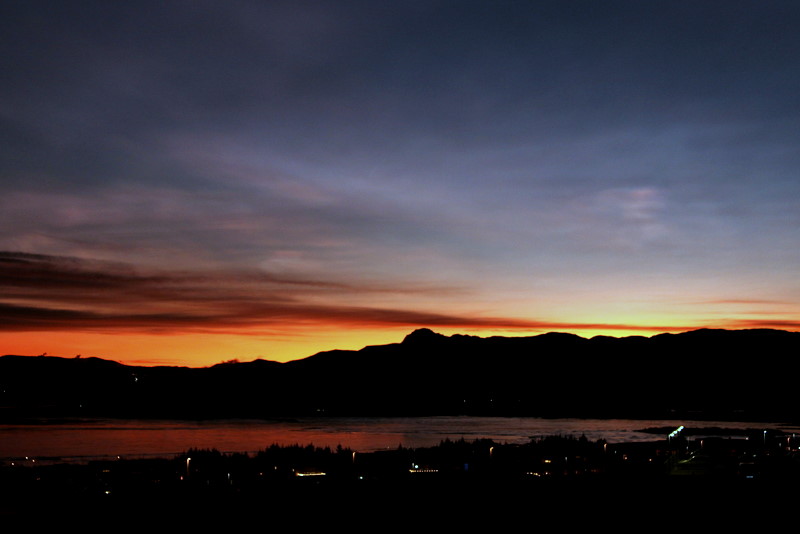
Northern Lights
The first and more obvious reason to visit in the winter months is for the Northern Lights. This breathtaking natural phenomenon can only be seen in winter, when it’s dark and the sky is clear. The rule is that if you can see the stars then you will have a good chance of seeing the Northern Lights. The best time to see the Aurora is from 1st September, through winter, until 15th April. Make sure to check the Aurora forecast for activity levels, there is a scale of 0-9 with the most common activity is 3-4.
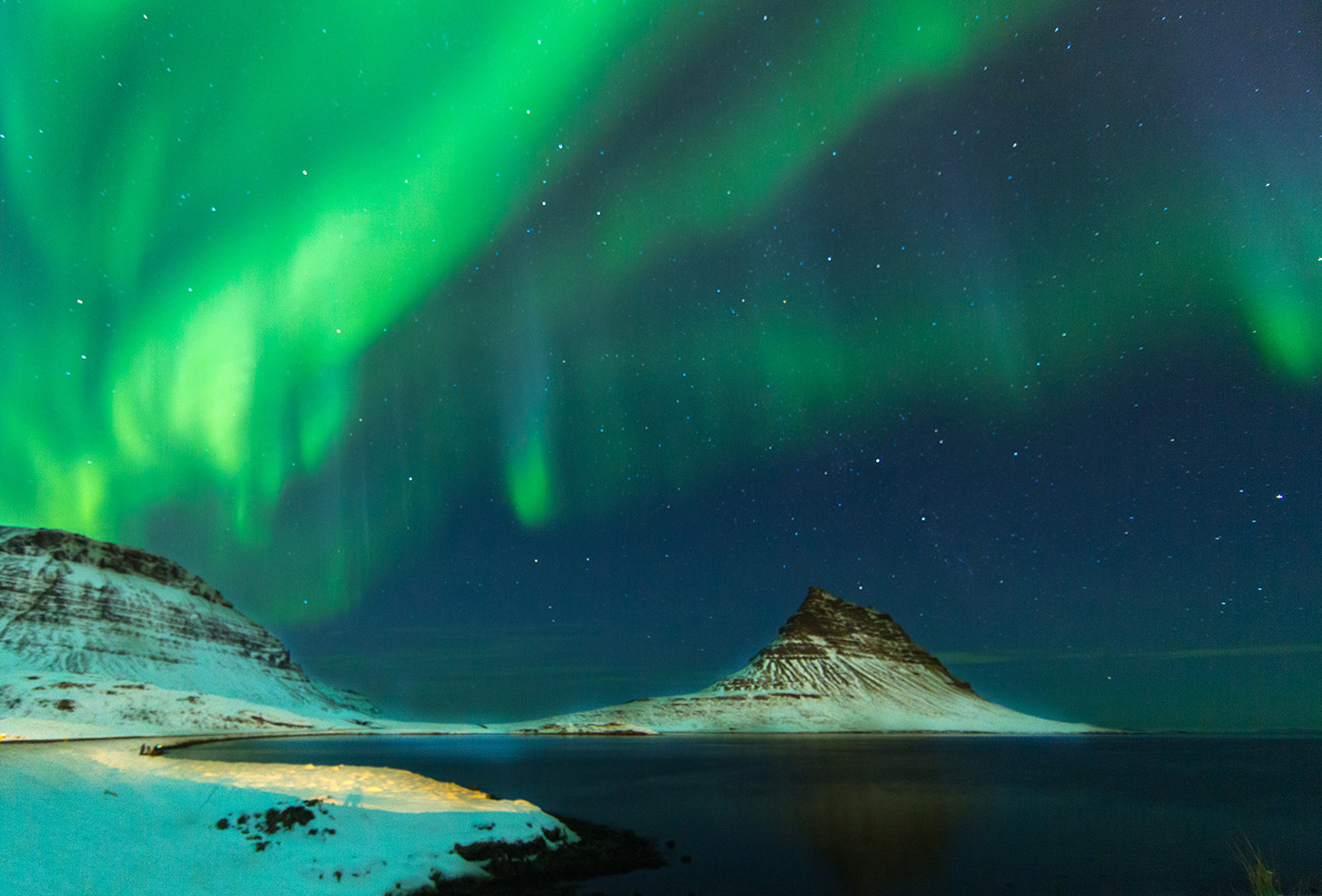
Things To Do
There is plenty to see and do in Iceland, popular winter activities include glaciers hikes, skiing, snow mobile trips, ice fishing and ice cave exploring and winter is when the caves are the most accessible. Many people visit Iceland in the run up to Christmas and to celebrate New Years. People decorate their houses with fairy lights and these are kept on throughout winter, bringing an extra light and magic to the city. There is a small festive market and ice skating rink in downtown Reykjavik too. New Year in Reykjavik is an extraordinary experience with fireworks exploring all around. There are no official firework displays but many locals purchase them and have their own displays. The proceeds from the sale of these fireworks goes towards supporting the Icelandic Search and Rescue teams.
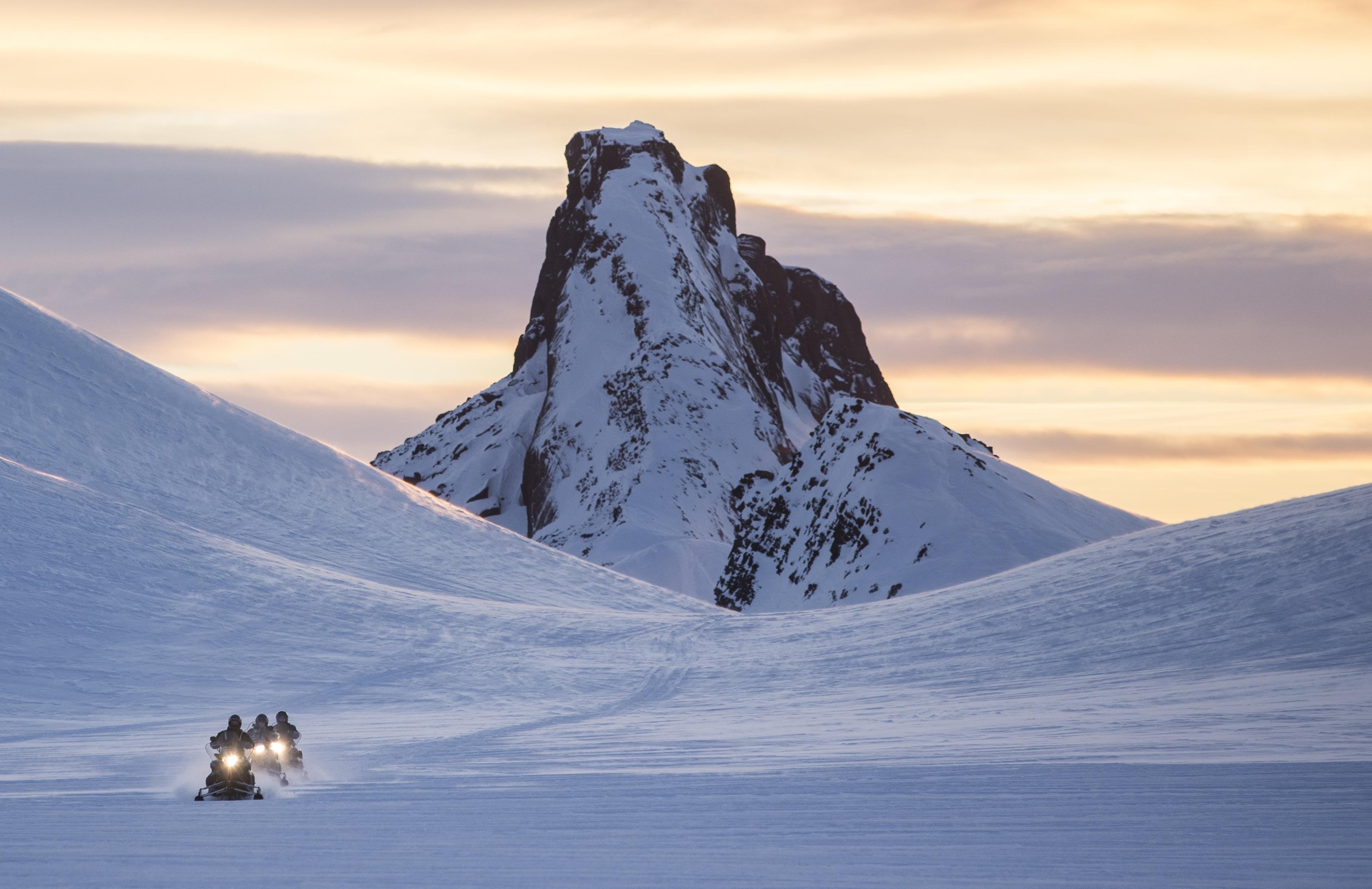
Driving in Winter
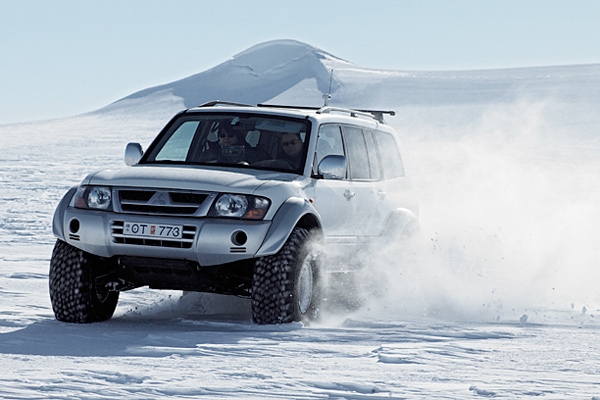
Driving in winter can be a little tricky, especially if you are not used to wintery conditions but all hire cars have winter tires to aid in driving on snow and ice. Snow storms are very common in winter and so your journey may be interrupted. The weather can effect airline travel with some flights being delays or cancelled so keep an eye on your flight prior to travel. Also sections of the ring road around Iceland can be effected with road closures throughout winter so it is best to check Vegagerdin for road updates. http://www.road.is/
The downside to visiting Iceland in the winter is that the days are shorter so your sightseeing time is a lot more limited. However the light, though sparse, is beautiful for photography as the sun is low on the horizon so it looks similar to a day-long sunset.
Wildlife
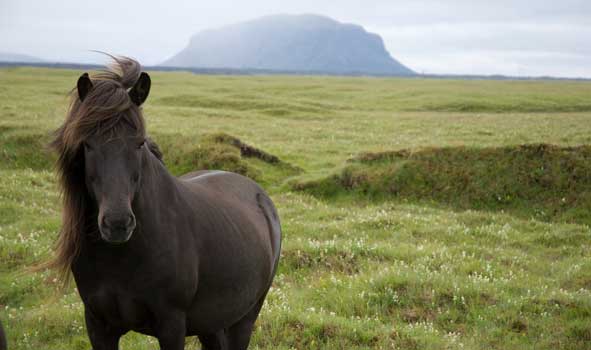
Though Iceland isn’t know as a wildlife destination, you can see birds, Icelandic horses and if you are very lucky you might also spot an arctic fox.
SUMMER – The Midnight Sun
Preferred by the locals, summer provides mild weather and the famous long summer nights. The days are long with sun rising at 03:20 and setting at 23:30 so you will have more light for longer adventures. This can be fun and the endless daylight can merge days into one but it can also be difficult to sleep. Come prepared with a good eye mask and be aware of the time, try to take rests when driving. Obviously the lack of darkness means you wont see the Northern Lights so make sure you plan for the right month to visit.
Waterfalls and Hiking Trails
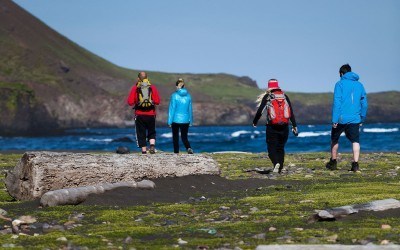
Most sites are generally more accessible so you can walk right up to, and sometimes behind, the waterfalls. There are some hiking trails which can be accessed all year round but you will have more to choose from in the summer months.
Budget Considerations
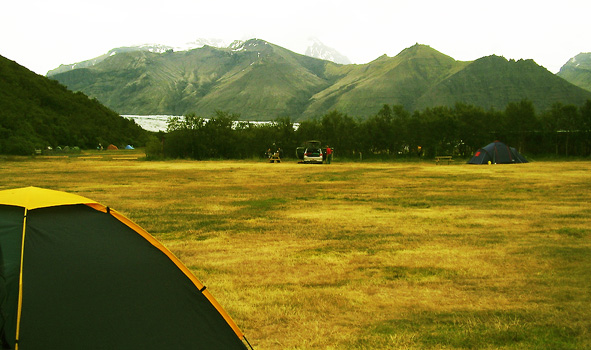
If you are travelling on a budget then summer might be more for you. Camping is easier and certainly more pleasant, and hitch hiking is much more common.
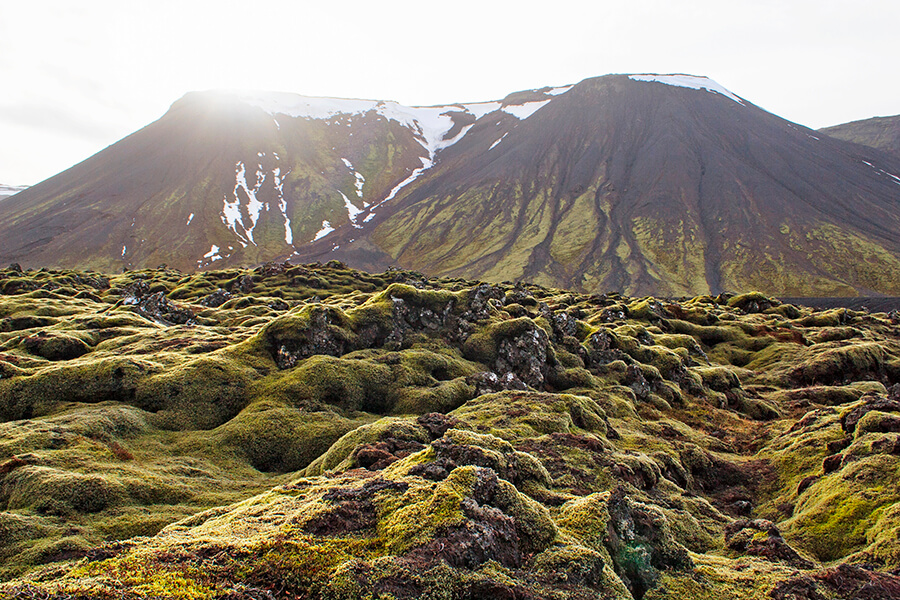
Moss and Lava
The icy blanket of snow melts away to reveal a green and lush mossy blanket over the lava fields. Road become easier to drive and are generally more accessible, with some of the highland roads being opened though it’s never advised to drive off-road. The northern part of the island is much more accessible now.
Wildlife
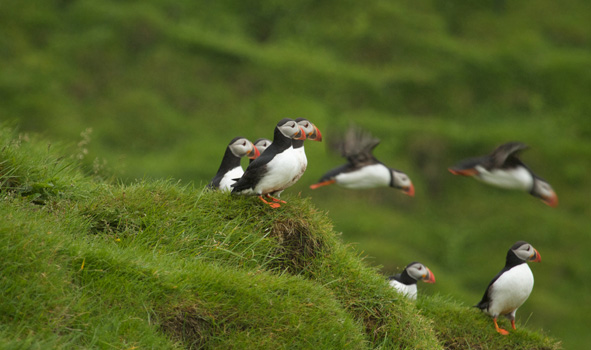
Though Iceland isn’t know as a wildlife destination, you can take a whale watching tour in any season, see Icelandic horses and often spot geese. Puffins are most commonly seen in summer along with other bird.