
Best time to see Aurora Borealis in Iceland
Chasing the Celestial Dance: Your Guide to Iceland's Aurora Borealis
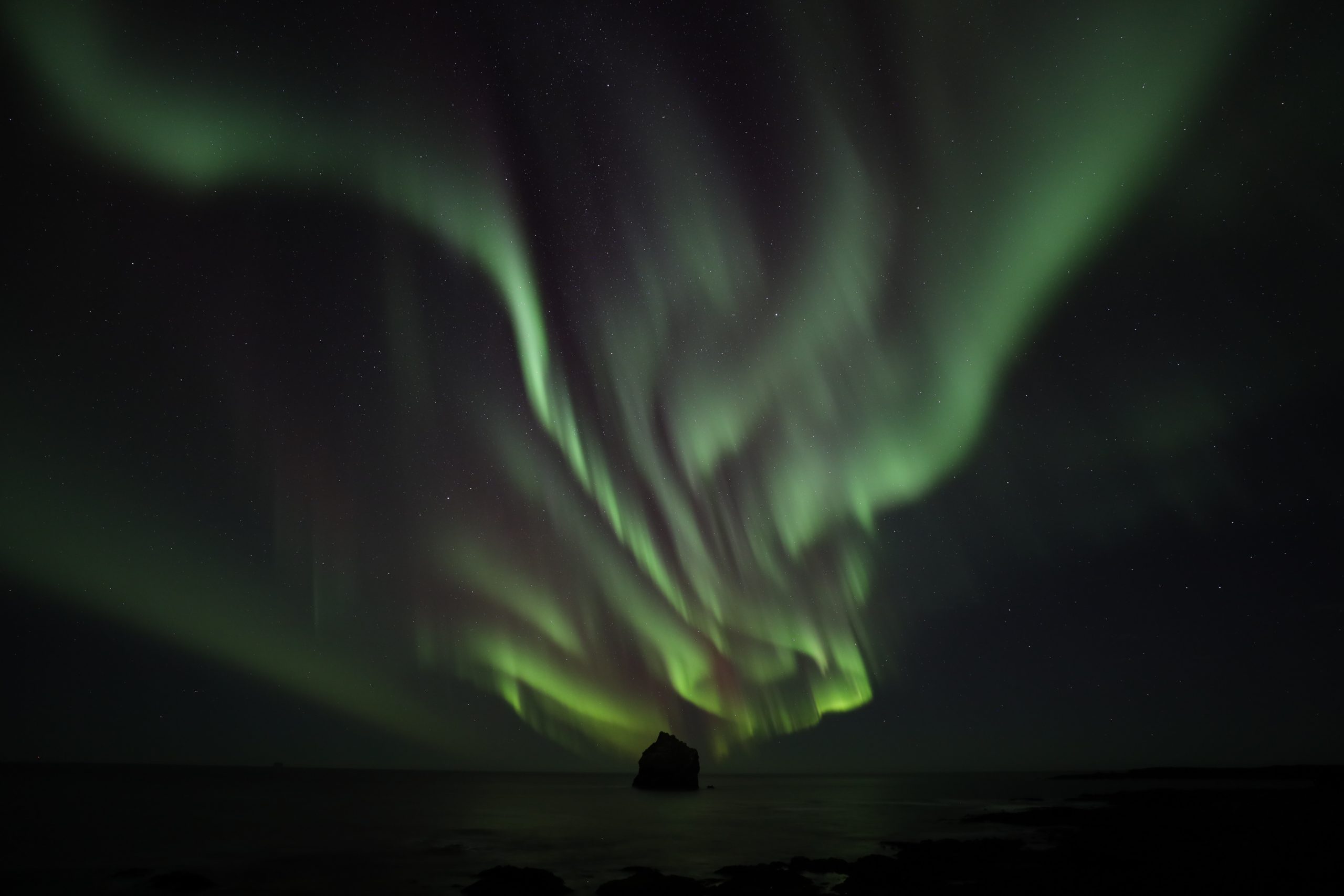
Witnessing the Aurora Borealis in Iceland is a bucket-list experience for many, a mesmerizing celestial ballet that paints the Arctic skies with vibrant hues. These spectacular events, often referred to as the Northern Lights, are a direct result of space weather – charged particles from solar eruptions interacting with Earth's magnetic field and atmosphere. Iceland, situated perfectly within the auroral oval, offers some of the world's most prime viewing opportunities. To truly maximize your chances of seeing this natural wonder, understanding the optimal conditions and timing is paramount. This guide will illuminate the best times and tips for your unforgettable aurora hunt in the land of fire and ice.
The Golden Window: Iceland's Dark Winter Months

The most crucial factor for aurora visibility is darkness, and Iceland's long winter nights provide the perfect canvas. From late September to late March, the country plunges into extended periods of darkness, offering ample hours for the Northern Lights to appear. While auroras are technically present year-round, the continuous daylight of the Icelandic summer makes them invisible. Therefore, planning your trip within these months significantly increases your odds. The peak season generally runs from October to February, when the nights are at their longest and darkest, creating an ideal environment for these ethereal displays to shine brightly across the sky.
Beyond Darkness: The Imperative of Clear Skies

Even with optimal darkness, clear skies are absolutely essential for aurora viewing. Clouds act as a natural curtain, obscuring any potential light show. Iceland's weather is famously unpredictable, with conditions changing rapidly. Therefore, flexibility is key. It's advisable to check local aurora forecasts and cloud cover predictions regularly. Many tour operators and local websites provide real-time updates. Seeking locations away from coastal cloud formations or higher elevations can sometimes offer better chances. Patience and persistence are virtues when chasing the Northern Lights, as clear patches can emerge unexpectedly, revealing the aurora in all its glory.
Harnessing Solar Power: Geomagnetic Activity and Aurora Strength

The intensity and vibrancy of the aurora are directly linked to solar activity and subsequent geomagnetic storms. These space weather events cause charged particles to stream towards Earth, resulting in more energetic and visible displays. While we can't control the sun, monitoring Kp-index forecasts can help predict the likelihood and strength of an aurora. A higher Kp-index (e.g., Kp 3 or above) indicates increased geomagnetic activity and a greater chance of a spectacular show. While even a low Kp can produce beautiful auroras, a strong solar event can transform the sky into an unforgettable spectacle of dancing colors.
Timing Your Gaze: The Best Hours of the Night

While the entire dark period offers potential, the best hours for aurora viewing in Iceland typically fall between 9 PM and 2 AM. This window often sees the most active and intense displays. However, it's important to remember that the aurora is a natural phenomenon and can appear at any time during the dark hours. Many aurora hunters recommend being prepared to wait and scan the sky periodically. Dress warmly, bring hot drinks, and find a comfortable spot away from artificial lights. The anticipation is part of the experience, and the reward of seeing the lights dance after a patient wait is truly magical.
Escaping the Glow: The Importance of Dark Skies

To fully appreciate the aurora's subtle beauty, it's crucial to escape light pollution. City lights, even small towns, can significantly diminish the visibility and vibrancy of the Northern Lights. Venturing into the remote Icelandic countryside is highly recommended. Popular spots include areas around the Golden Circle, the Snæfellsnes Peninsula, or the vast landscapes of the Highlands (accessible in winter with guided tours or appropriate vehicles). The darker the location, the more vivid and detailed the aurora will appear. Consider staying in rural accommodations or joining a dedicated aurora hunting tour to ensure you're in the most pristine dark-sky environments.

The Northern Lights at Jokulsarlon Glacier Lagoon
The Enchanting Northern Lights at Jokulsarlon Glacier Lagoon:A Captivating Experience in Iceland
By Robert Robertsson - Verified Travel Expert
Unforgettable to say the least
Jokulsarlon Glacier Lagoon in Iceland draws visitors from across the world who come for its magnificent Northern Lights show, often called “The Crown Jewel of Iceland. ” With beautiful natural surroundings featuring mountains, icebergs, wildlife and more – its idyllic settings create the ideal setting to witness it – visitors may even witness it washing up onto nearby Diamond Beach! In Icelandic the name is Fellsfjara.
Aurora Borealis or Northern Lights, are spectacular natural displays found near Earth’s poles caused by collisions of charged particles from the sun with Earth’s magnetic field and atmospheric molecules, producing energy releases as light that create spectacular and colorful displays known as Northern Lights. Jokulsarlon Glacier Lagoon in Iceland’s remote setting away from light pollution offers one of the finest opportunities on Earth for witnessing such stunning natural displays as part of this wondrous natural spectacle – you won’t soon forget witnessing such wondrous spectacle as long after leaving Iceland!
So make the time and visit Jokulsarlon Glacier Lagoon this winter season to witness its splendid illuminations!
The Beauty of Jokulsarlon Glacier Lagoon
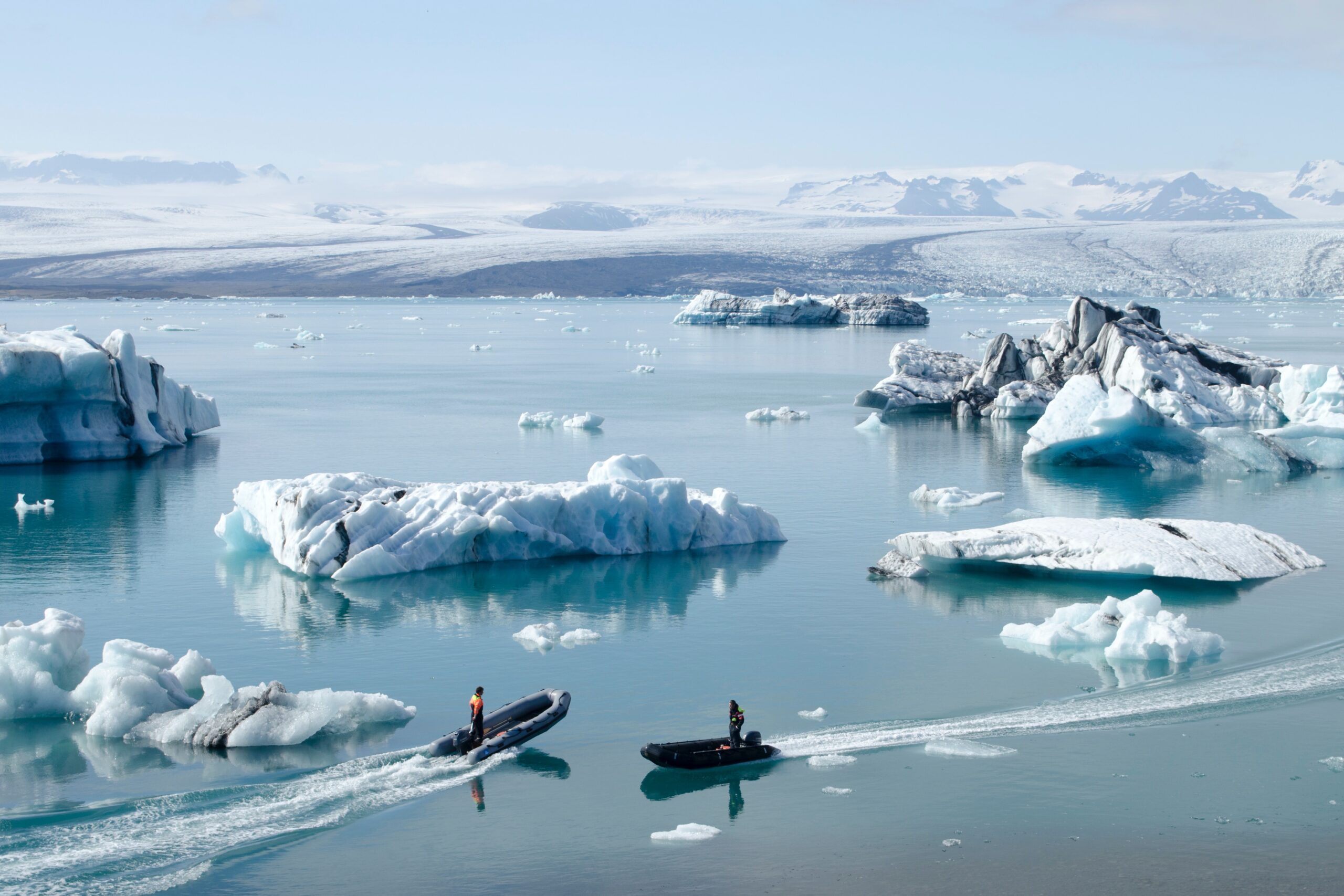
Jokulsarlon Glacier Lagoon can be found within Vatnajokull National Park in southeast Iceland and features an ever-evolving, dynamic ecosystem filled with floating icebergs from Breidamerkurjokull Glacier that detach from it, providing a constantly shifting and mesmerizing spectacle. When frozen over in wintertime, its contrast of shapes and colors becomes especially stunning; reflection of Northern Lights on these frozen bodies of water add to their allure further enhancing this captivating view of beauty; seals and seabirds populate this ecosystem that makes Jokulsarlon’s dynamic ecosystem harmonious yet diverse! Jokulsarlon Glacier Lagoon’s allure lies in its ever-evolving landscape.
Icebergs that drift along its waters range in shape and size from small chunks of ice to massive structures resembling sculptures; as these move and melt, its scenery changes accordingly; visitors to Jokulsarlon can witness nature at work as graceful floating icebergs reflect vibrant Northern Light colors in graceful motion. As well as its stunning icebergs, Jokulsarlon Glacier Lagoon also provides stunning mountains as a beautiful background to this lagoon.
These towering snowy peaks create a dramatic juxtaposition with the night sky; when lit by Northern Lights dancing above them they add yet another level of beauty and grandeur that leaves visitors speechless. No matter who your target may be – nature enthusiasts, photographers or anyone seeking peace and serenity alike- Jokulsarlon Glacier Lagoon won’t disappoint you in either regard!
Enhancing Your Chances of Seeing the Northern Lights
To increase the chance of seeing the Northern Lights at Jokulsarlon Glacier Lagoon, a guided tour or package should be booked with an authorized operator. Different tour options exist – some combining caving with sightseeing; and September-April is considered prime viewing period – check your aurora forecast and weather conditions carefully to get optimal viewing!
Tour operators offering guided tours with established guides increase your odds of witnessing this breathtaking spectacle; experienced guides possess vast local knowledge that will lead you directly to prime viewing spots of aurora borealis or provide accurate aurora forecasts, increasing chances of seeing lights. Finding an appropriate time and tour operator are both key aspects for an incredible Northern Lights journey; being prepared can only enhance that journey further!
Dressing warmly in layers is key as temperatures can drop significantly at night during winter months; waterproof clothing should also be brought as these facilities at Jokulsarlon Glacier Lagoon may not always be open by nightfall. Being well informed increases chances of witnessing this natural wonder in its full glory!
Preparation and Tips for the Experience
Visit Jokulsarlon Glacier Lagoon during night hours by wearing layers, waterproof clothing, sturdy boots and essential supplies such as food and water; essential lighting must also be brought along; flashlight/headlamp use for visibility purposes should also be brought; these measures should ensure visitors enjoy an unforgettable experience at this remarkable lagoon. Dress appropriately and bring essential items; when planning to visit Jokulsarlon Glacier Lagoon to witness Northern Lights, other tips should also be kept in mind.
Weather forecasting and aurora activity should always be closely observed prior to planning any trip – clear skies with strong aurora activity will increase your odds significantly of seeing Northern Lights; many websites and apps provide real-time aurora forecasting so you can plan effectively for your visit. Arriving early at a lagoon gives you ample time to explore its surroundings, prepare camera gear needed for photographing Northern Lights, and locate an inviting space where you can rest for the evening. Arriving early could give you the best opportunity of seeing glimpses of its magnificent twilight hours – adding even more mystery and splendour to your Northern Lights experience!
Capturing the Northern Lights at Jokulsarlon Glacier Lagoon
At Jokulsarlon Glacier Lagoon, a photographer captured an outstanding display of Northern Lights with a Sony a7R camera equipped with a Zeiss 16-35mm lens and ISO 1600 setting at 30-second exposure, manual focus, wireless shutter release and Manfrotto tripod. Shooting with full frame camera produced less noise compared to an APS-C camera; see technical details provided for more accurate Northern Light photography at Jokulsarlon Glacier Lagoon. Photographing the Northern Lights can be both difficult and fulfilling.
To achieve stunning photographs of them, using appropriate equipment and settings are key – for instance using a full-frame camera can result in less noise in photos compared to an APS-C one, and wide angle lenses like Zeiss 16-35mm used by this photographer are perfect for capturing both its expansive skyscape and surrounding terrain. When setting your camera to capture Northern Lights images, a higher ISO, such as 1600 is often recommended to capture their faint glow. But finding the appropriate balance is crucial, since higher ISO can add noise into images.
Experimenting with different exposure times (the photographer used 30-second exposures for effect). Manual focus may help since autofocus may struggle in low light conditions to be accurate enough; using wireless shutter release/remote controls helps minimize camera shake for sharp images while sturdy tripods keep everything still during long exposures. Making beautiful photographs of the Northern Lights requires more than having all the appropriate equipment and settings in place; to capture its true essence you need more than technical know-how alone. Finding that ideal composition, framing the scene so as to highlight their magnificence and being patient yet observant are keys for successful photos of this phenomena. Each display of Northern Lights can bring something different; being present and immersing yourself into this experience will yield incredible photographs!
Boat Tours and nearby attractions such as Ice-caves
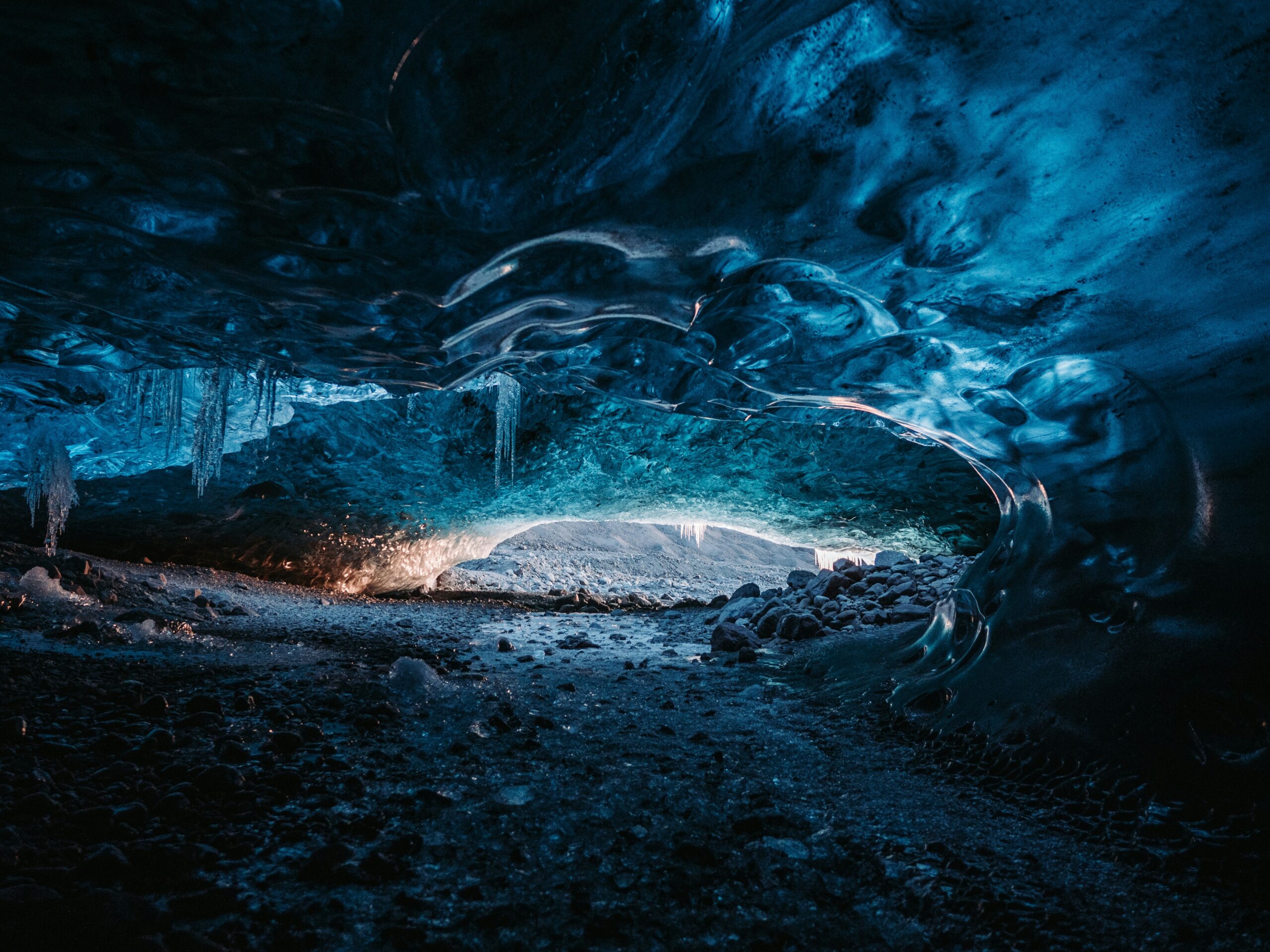
Boat tours at Jokulsarlon Glacier Lagoon allow visitors to come face-to-face with icebergs for a spectacular encounter and offer visitors a truly unique perspective of these glacier lagoons. In particular, exploring Jokulsarlon Glacier Lagoon through boat tours and visiting Diamond Beach are surefire ways of increasing the overall Northern Lights viewing experience. Watching the Northern Lights from Jokulsarlon Glacier Lagoon can be an incredible experience, yet taking a boat tour brings them even closer.
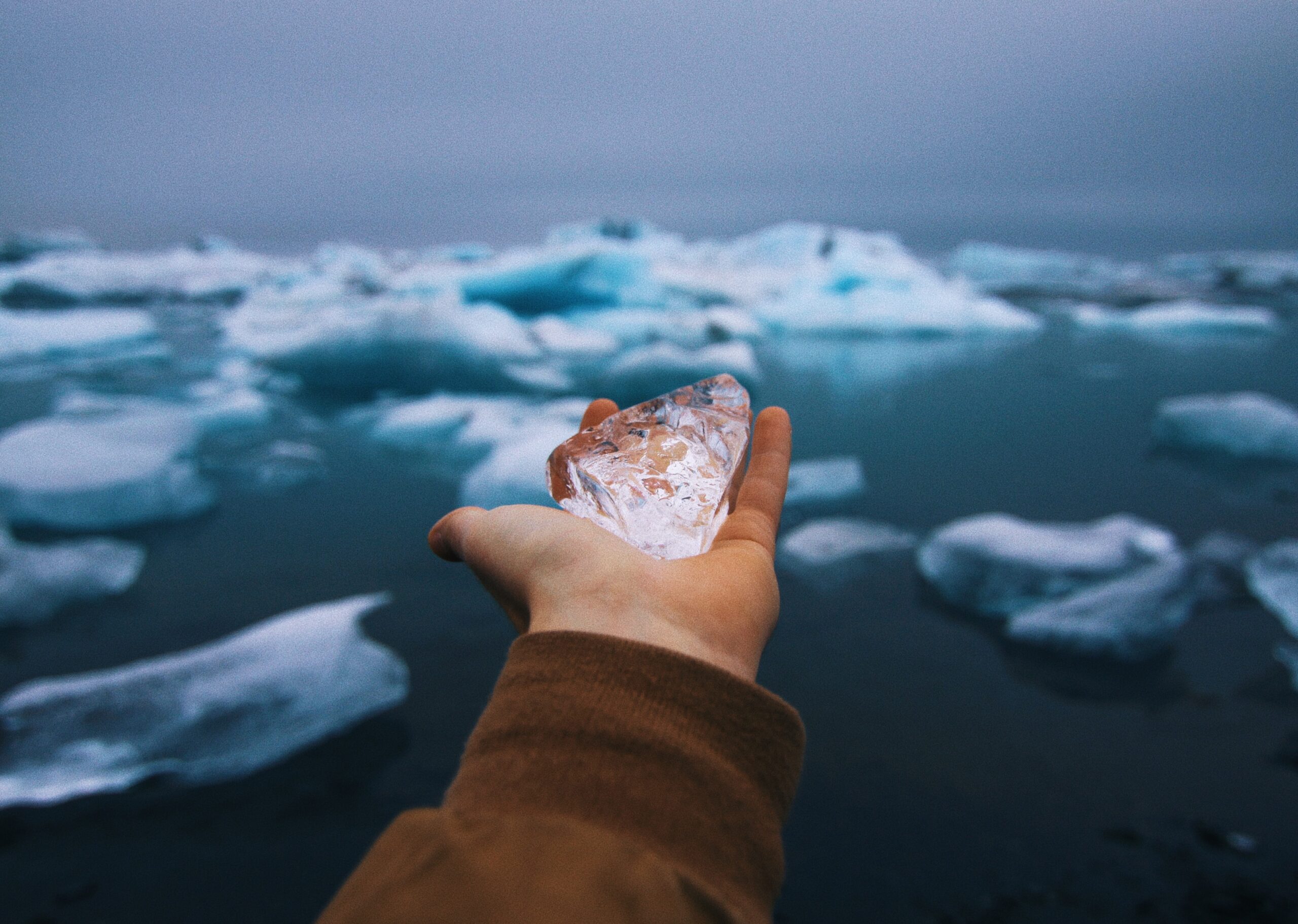
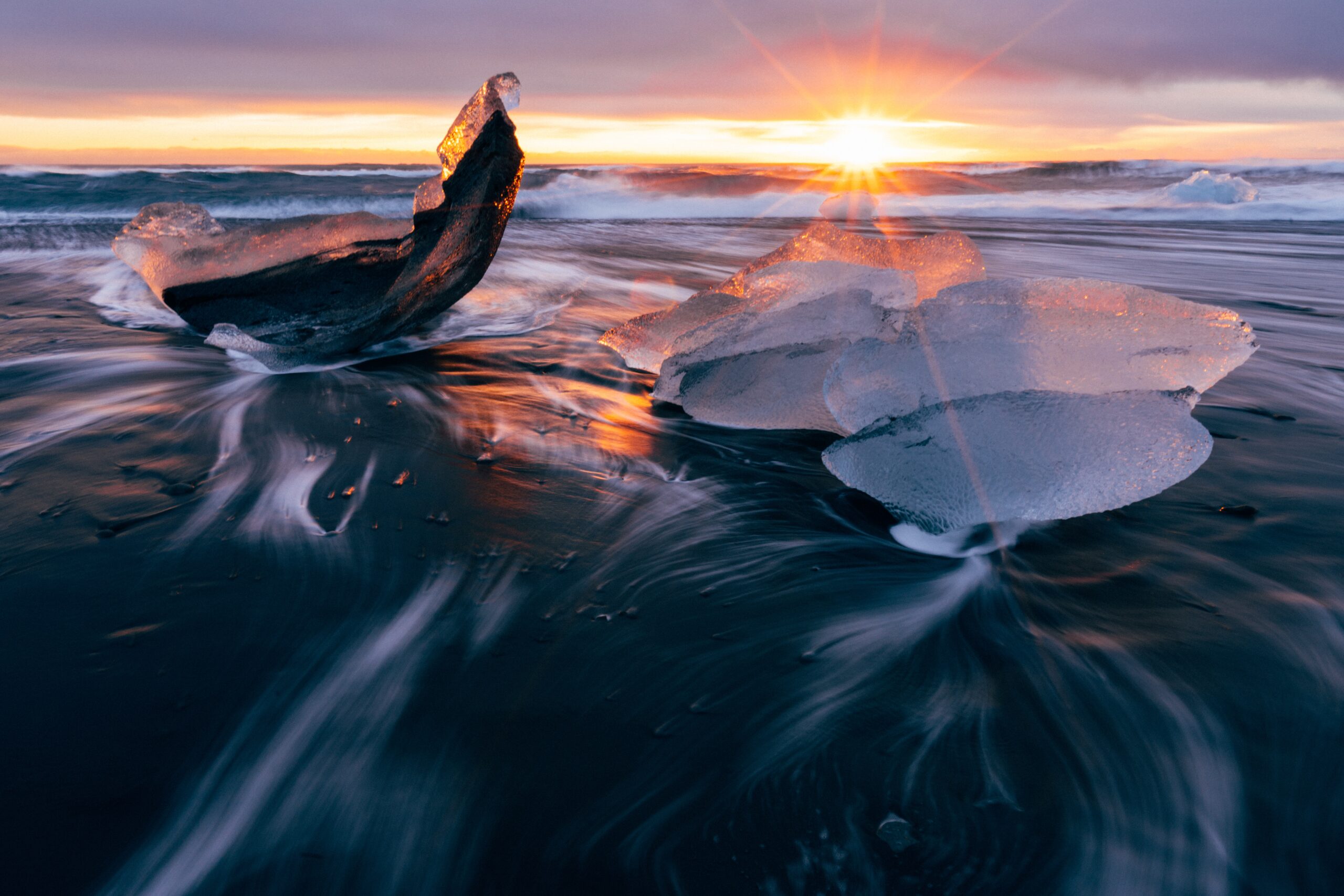
After exploring the lagoon, Diamond Beach should also be included on any itinerary because its name refers to shimmering icebergs coming ashore onto black volcanic sand that give off diamond-like reflections when seen up close – truly an inspiring sight that adds extra magic to Northern Lights experience! A night you will never forget in your life.
Walking along its shoreline and witnessing these shimmering gems up close is truly mesmerizing; their combination with dark volcanic sand creates an eye-catching spectacle unlike anything else! Boat tours or exploring Diamond Beach at Jokulsarlon Glacier Lagoon provide additional experiences that help bring Iceland’s natural world alive for you, offering unforgettable memories long after visiting. Immerse yourself in its majestic icebergs while appreciating nature’s delicate balance – combined with witnessing an awe-inspiring display from Northern Lights this experience will stay with you long after visiting Jokulsarlon Glacier Lagoon!
Conclusion
Jokulsarlon Glacier Lagoon in Iceland provides a spectacular opportunity for witnessing the Northern Lights. A guided tour, careful monitoring of aurora forecasts, adequate clothing and camera gear should all help increase your chance of witnessing it at Jokulsarlon; taking pictures can bring lasting memories while boat tours and close encounters with icebergs only add further magic! Don’t miss this unforgettable journey – come experience Jokulsarlon today!

When can you see the Northern Lights in Iceland?: 5 useful tips for planning your adventure
"When can you see the Northern Lights in Iceland?" is the question on the tip of everyone's tongue. The minute you step off the plane in the land of fire and ice, it's time to start looking up. Or is it?
What are the Northern Lights?
Before we get to the “When can you see the Northern Lights in Iceland?” half of the show, let’s talk about what we’re actually looking for. In a country of natural wonders, the Northern Lights are one of Iceland’s greatest treasures. A phenomenon based on volatile space weather, the Aurora Borealis happens when solar activity from the sun travels over our planet and collides with our magnetosphere. This meeting of forces gives some of the super-charged gas in the solar storm an opportunity to travel down the magnetic field towards the poles, creating another collision with oxygen and nitrogen pockets in our atmosphere.
This clash creates the colorful visual byproduct of the aurora- an accidental gift of the cosmos. Because this is a polar occurrence, it takes incredible strength for the storm to grow large enough to travel closer to the equator from the pole, which is why we primarily see the aurora in very northern or southern lands.
Every so often we get lucky, and the sun sends a sizeable storm, giving us the rare chance to view the Northern Lights from places like North America and continental Europe.
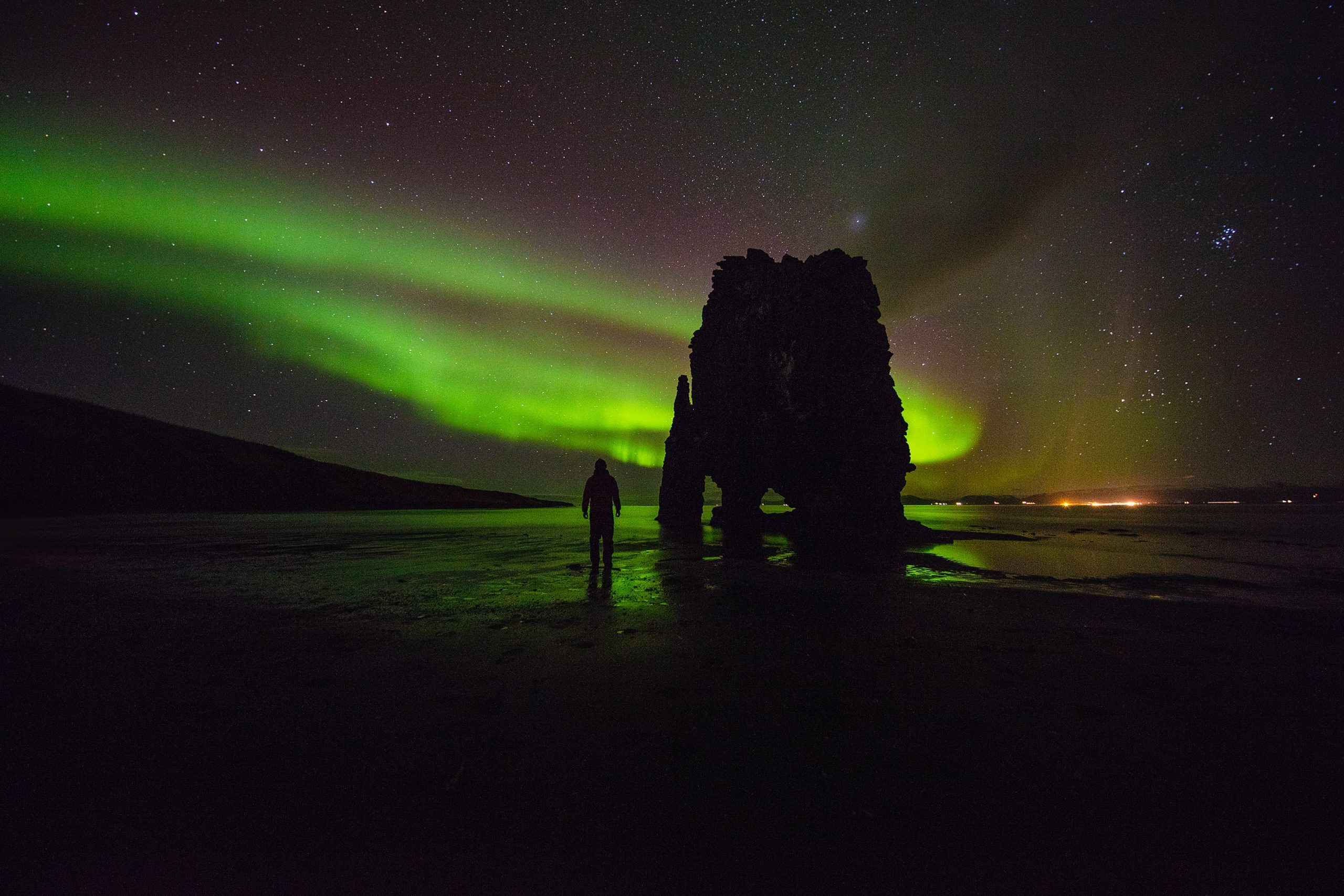
Life under the polar light cycle: Choosing the right half of the year
Planning a northern lights vacation can be challenging, as nature tends to run on its own schedule. A good place to start, is to know which half of the year is aurora season in Iceland.
Because polar lights happen far above us in space, it is possible for them to occur at any time of year. Many people mistakenly think that they are related to cold weather, but, luckily this is not the case. Because of how the Earth tilts in its orbital path, the winter season in countries around the northern pole coincides with shorter days. You may have a similar light cycle situation during winter in your home country.
In a country closer to the pole, this light cycle is a bit more exaggerated and can result in days where the sun does not rise for a period of time. Iceland’s winter light cycle is not quite as extreme, but due to this trade-off, we experience a surplus of daylight hours in the summer and a surplus of dark hours in the winter.
This means that in the summer, it is much too bright for us to pick out auroral activity in the skies. There may be solar activity and auroras happening, but we would be unable to see them. Despite their appearance, we require solid darkness to view an aurora from Earth. (If you’re riding along on the International Space Station, however, you might be one of the few people that could view a July aurora!)
But for those of us down here planetside, we must wait for optimal darkness to be able to pick out auroral activity with the naked human eye.
The Northern Lights occur at a low lumen, so sometimes even a weak occurrence can be hard to pick out in perfect conditions. (A good camera can help you out with this, as the camera’s vision capabilities are not quite so limited in darkness.)
Fortunately, this extreme light cycle buys you an entire half of the year to plan a Northern Lights holiday in Iceland- which gives you more time than you might think.
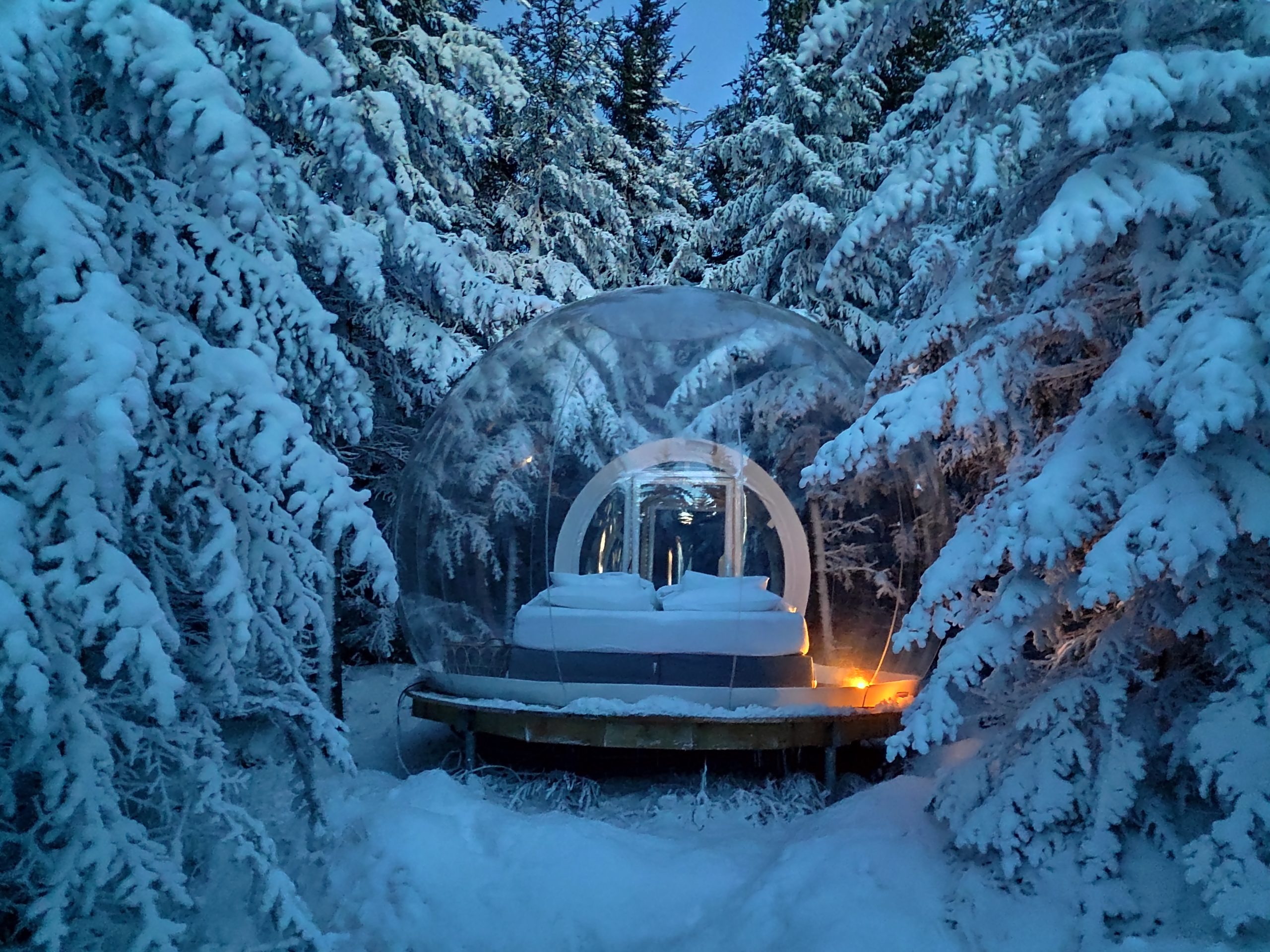
August to April: The Auroral Season
Because of this light cycle, the Northern Lights season in Iceland runs from August to April. August is very early in the season, and typically we access amenable darkness by the end of the first week. However, if you are planning a vacation, it is recommended to wait until the end of August for optimal conditions.
The end of the first week of August is the earliest we have seen an aurora, but it is not generally expected and would be a risky time to plan a trip. In recent years, tours have started mobilizing for their aurora seasons at the middle to end of August, with some starting as late as September.
This August to November time frame puts you in our autumn season. Not a time typically associated with auroral viewing, the transitional seasons like fall and spring are phenomenal times to hunt for Northern Lights. These are moments in the year where colorful changes are occurring in the countryside, and often, low traffic among visitors.
These are some of our favorite times to look for aurorae, particularly because there is milder weather, manageable light for other outdoor activities, and gorgeous scenery. As you can see, the auroral season runs all the way to April. In Iceland, April is traditionally considered the beginning of the summer season (if you can believe it), so the same rules that apply to August apply here.
If you are interested in a spring aurora hunt, you will want to be careful of booking too close to April, as mid-April is too bright for aurora viewing typically. In a lucky year, professional photographers have managed to grab some surprising shots throughout April, but this would not be advisable for someone that is planning an aurora trip.
The month of March is often quite good throughout, weather permitting, and people have been known to get lucky in the very beginning of April. Once we near the middle of April, the island moves over to summertime in earnest, and the midnight sun begins to return.
This gives you quite a spectrum of time to hunt for auroras, and this season spans autumn, winter, and even spring. This means that you can tie your aurora aspirations together with additional activities, like horseback riding, hiking, ice caving, or even skiing.
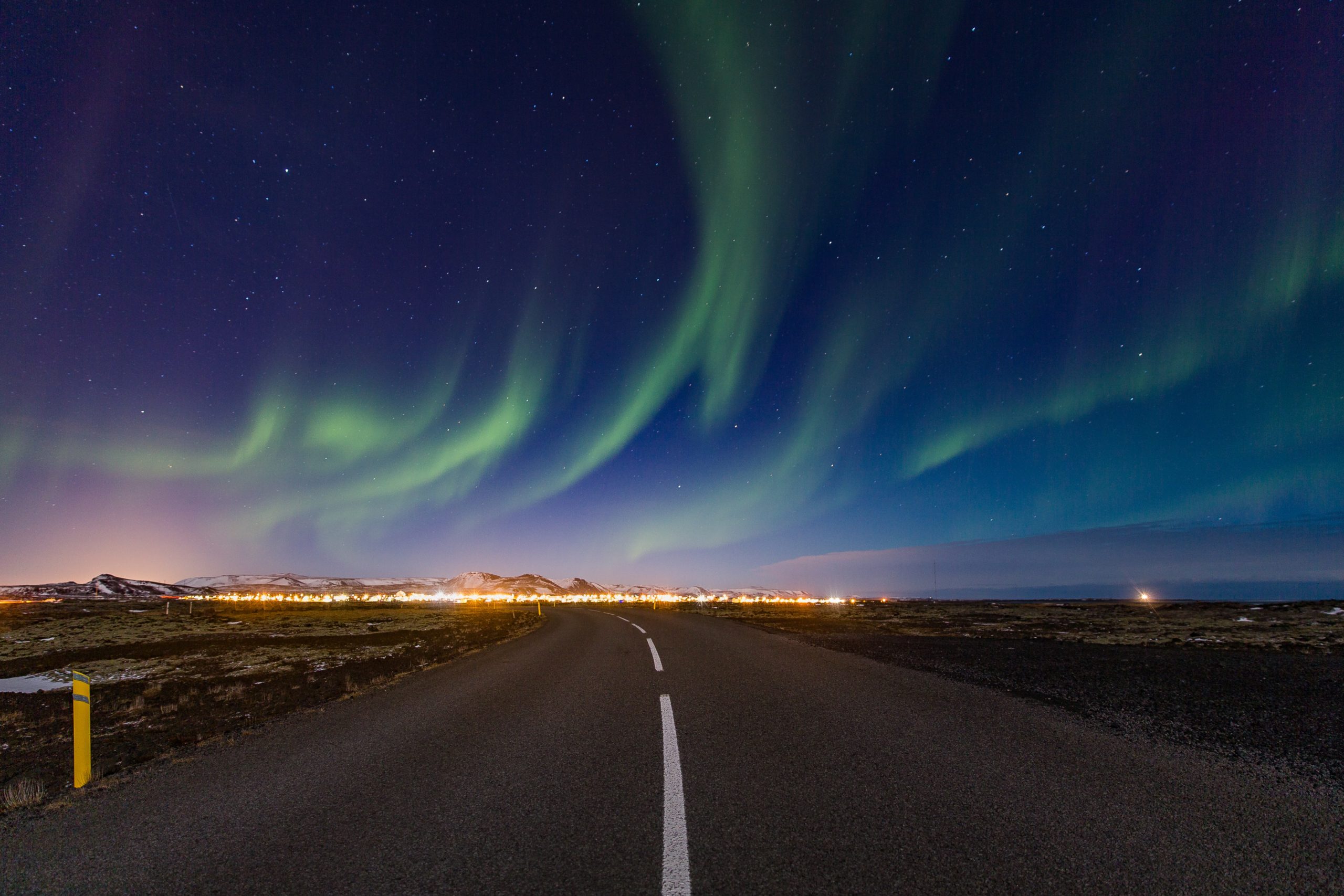
"Hello darkness my old friend": Aurora watching under the cover of night
You’ve got an entire half of the year to plan your trip in, but what time does the aurora show up? This is another popular question, and the answer does change a bit depending on the time of year that you visit. For folks visiting earlier or later in the season closer to autumn and spring, you’ll find that there are fewer dark hours available for hunting.
In Iceland, you are losing or gaining minutes of light every day, depending on if you are moving away or towards midsummer or midwinter. If you’re visiting us before December, you will be losing 3-4 minutes of daylight on average every day.
After midwinter, you start to gain those minutes of daylight back. If you stay with us for a week, you might even notice a difference by the end of it! Because of this, you will find that guided experiences start a bit earlier (closer to 8:00 PM) in the autumn and spring, and a bit later 9:00-10:00 PM) in the winter months.
Like all aurora figuring, this can vary on the occurrence itself. A powerful solar storm may cause a brighter visual manifestation, thus making it possible to view earlier in the evening. However, despite the fact that you’re watching in the correct half of the year, we still require this high-quality nighttime darkness for visibility.
This can be a confusing detail, especially if you’re visiting us in December when the sunrise is closer to 11:00 AM and the sunset is nearly 3:00 PM! One might think, “If the sun has set by 4:00 PM, why can’t I see the aurora already? Isn’t it night?” Despite the early setting of the sun, we do still cycle through steps of “twilight”, or “dusk”.
You may be familiar with this if you enjoy maritime sports or navigational pursuits like flying or sailing. So despite all this extra darkness in the high point of winter, we still wait for proper nighttime in the later evening. Averages for optimal visibility may vary per person, but typically we can expect that on a good night our window will be around 10:00 PM to 1:00 AM.
Can an aurora happen outside of this time frame? Absolutely! On a phenomenal night, you might catch one at 8:00 PM! And likewise at 3:00 AM! The excitement of this phenomenon is that no two aurorae are ever the same- and neither are the experiences that lead you to them.
Like many sciences, very few things are permanently definite- so if you feel that you have exceptional darkness, clear skies, and a forecast indicating solar activity, have a look! These things do tend to sneak up on you when you least expect them.
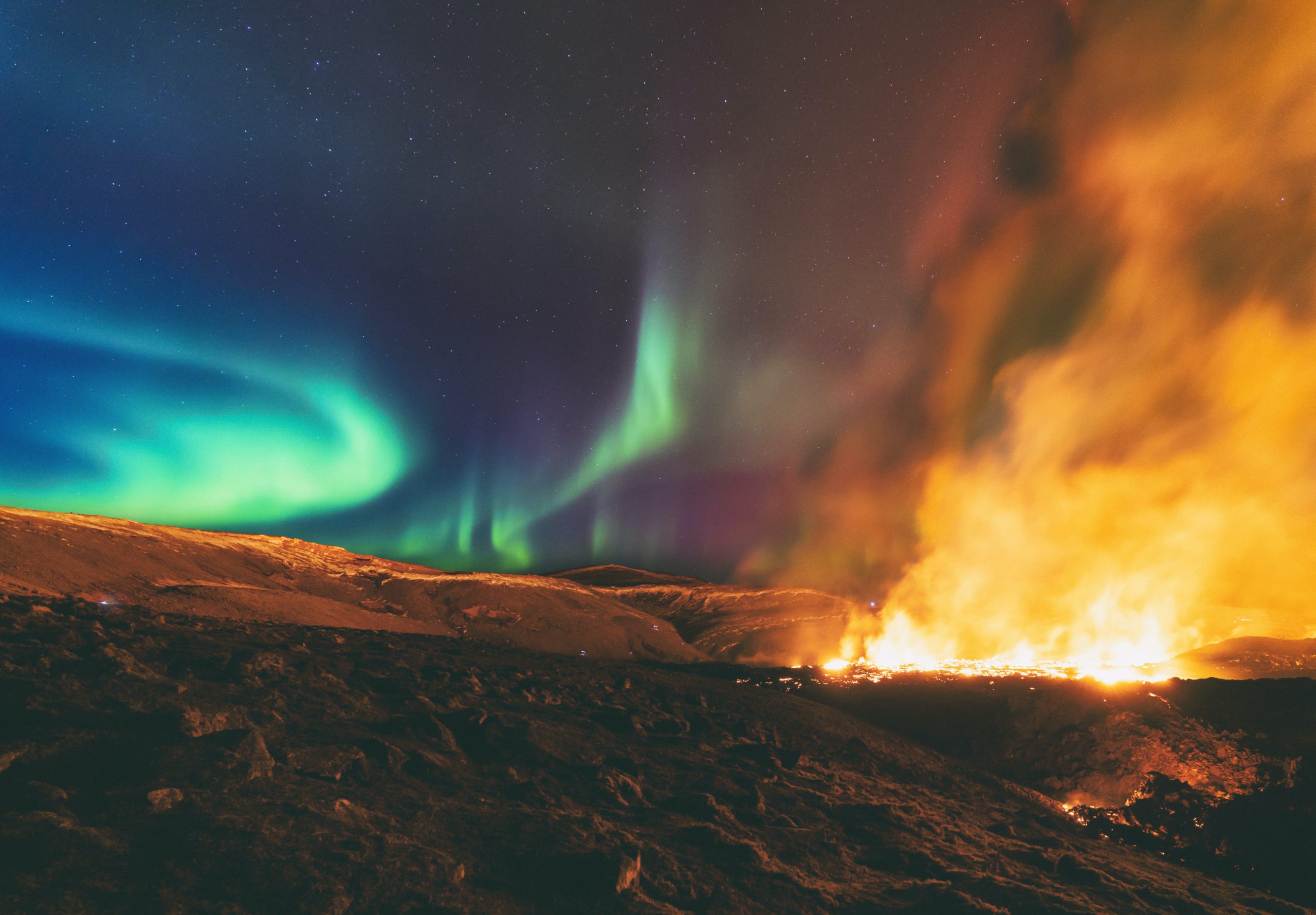
The right place at the right time
So you’ve got an idea of when the Northern Lights can be seen in Iceland, but where should you go? Where can you see Northern Lights in Iceland? The truth is, there is no singular good spot.
This is lucky for us in a way because it means we’ve all got a fair shot, no matter where in Iceland we’re watching from. As far as darkness goes, it is advisable to move away from light pollution if you can. The greatest centers of light pollution in Iceland are still manageable enough for auroral viewing, and won’t impede you to the level of a massive metropolis- but if you can find yourself a patch of true dark your vision will adjust better and your viewing experience will be improved.
Watching near a streetlight or a house can make low light photography a bit harder to balance, and it can also cause your eyes to struggle with adjusting to their own night vision. When viewing a similar auroral occurrence, people in a brighter area may report seeing less of the aurora, or a dimmer or less vibrant color.
In a truly dark place, your eyes will be able to pick up some of the finer pieces and “shards” of the occurrence, and typically be more successful at discerning the color.
If you’ve got a camera, don’t forget to snap a few low light shots- you’d be surprised how much better the camera’s “eye” sees compared to our own! When looking for a good spot to wait for the Northern Lights, you’ll want to consider cloud cover. On an auroral forecast, you can see that the cloud map is an integral part of finding out if you’ll be able to view activity or not.
Because the Northern Lights happen above our weather system, we miss out on any light shows that happen on cloudy evenings. The good news about this is that cloud systems can move quickly over us on a windy night, not all areas will have the same weather, and even forecasts miss tiny windows of clarity in the sky.
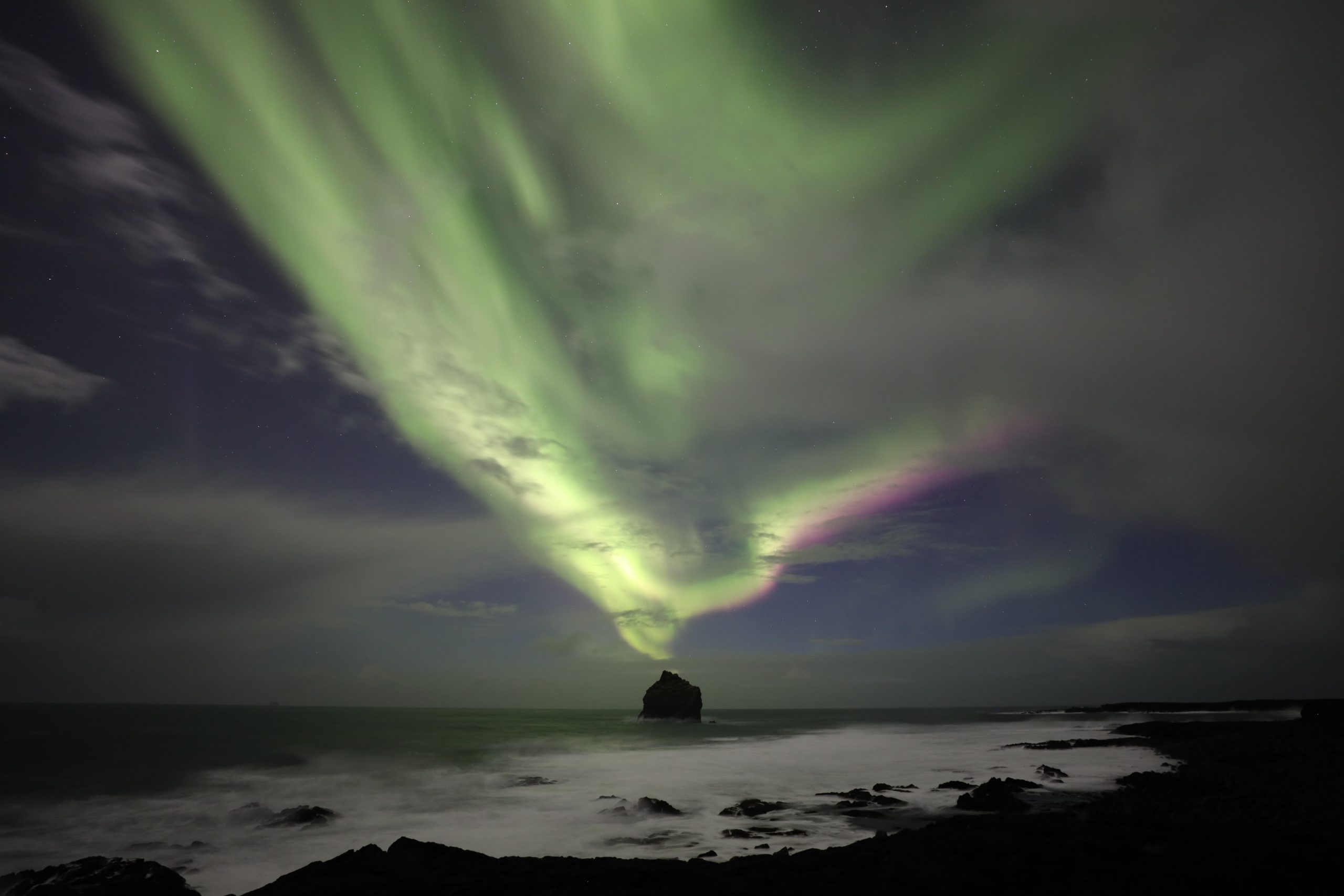
Sometimes these holes in the cloud layer are all we need to glimpse the glow- but many great activity nights have been canceled over a thick layer of cloud cover. If you’re in a vehicle and you’re able, it can be helpful to watch the forecast to see where areas of clarity may be located.
If there are clear skies around your location, you can head in the general direction of that clarity. In fact, many guided experiences will do a similar thing and will plot their course that night based on where the clarity is expected to be.
This is the best way to choose a spot, and the travel time that you spend on the way to the clear skies may also prove lucky. Covering ground and exposing yourself to different areas of the sky can be helpful since a large portion of aurora hunting is the waiting.
The longer you’re out in the dark under clear skies, the better your chances are. Because of the importance of clouds in this equation, it can sometimes mean just heading out on the road that leads in that direction. If you’re interested in finding a spot to wait in, we recommend looking for landmarks of natural importance along the way, or national parks.
Parks can be a great spot to watch from because they are designed for spectating and parking your car safely (unlike the side of the road), but be warned that many others may have the same idea. Be careful not to pull over to stop your vehicle in an unsafe location to watch! Country roads can be dark and narrow, and they do not always have a shoulder for pulling over.
It’s exciting when an aurora happens upon you in the car, but being safe and waiting for an approved pull-over location is the safest way to enjoy this gift of nature.
However, you don’t always have to be on the road to catch the Northern Lights! There are a few spectacular hideaways in Iceland just for this very purpose, where you can be cozy, alone in nature, and waiting in a perfect dark location.
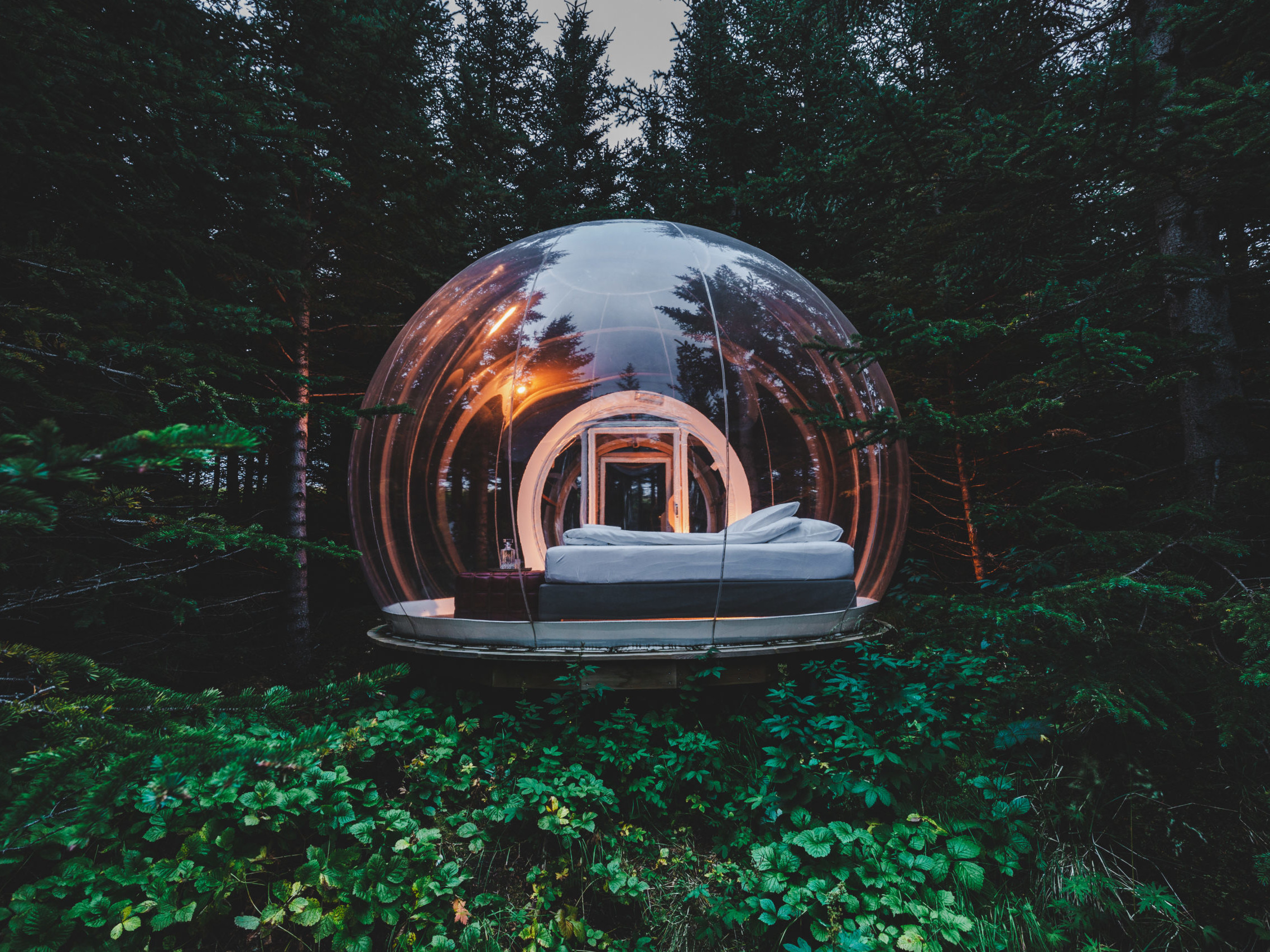
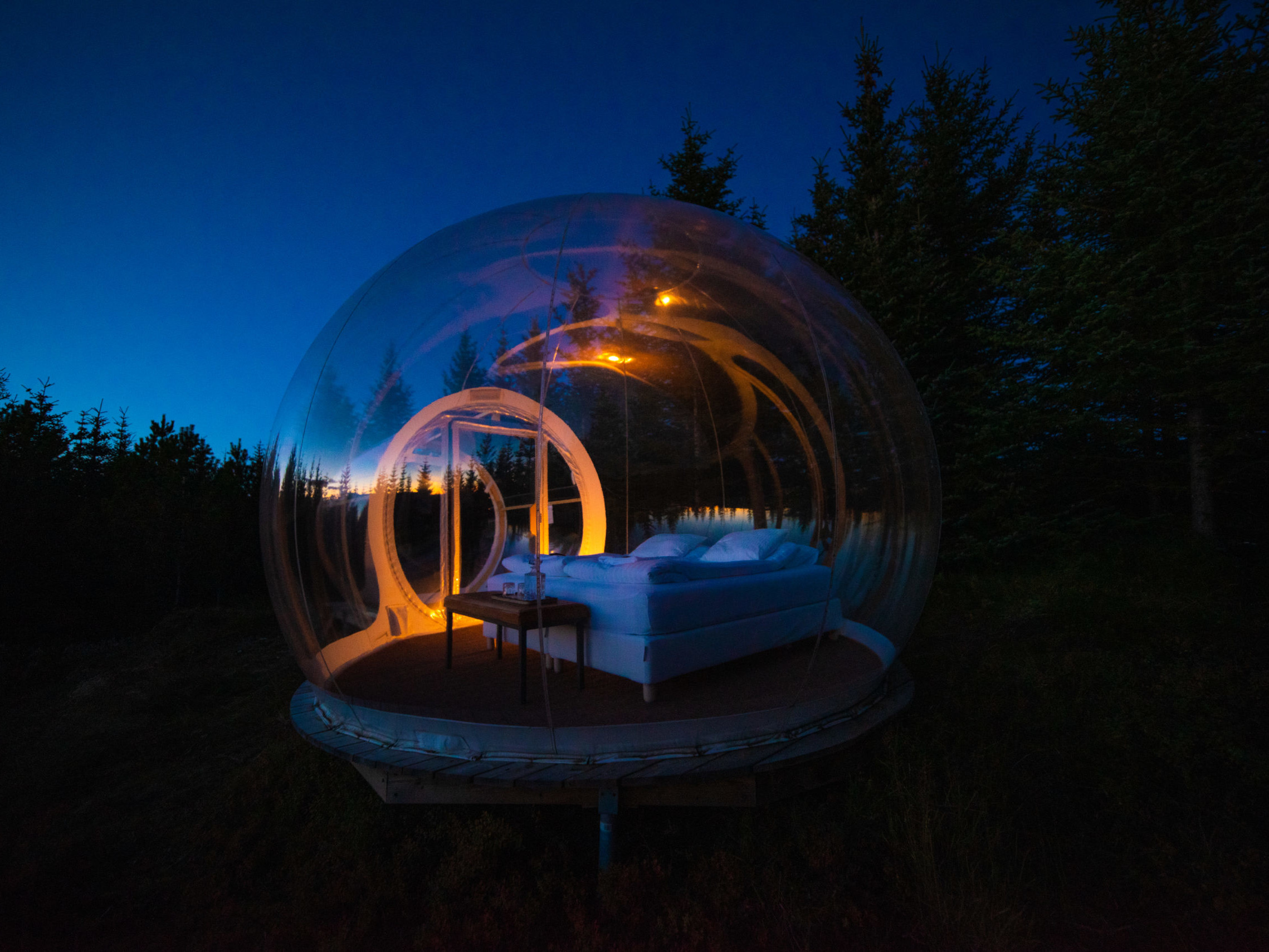

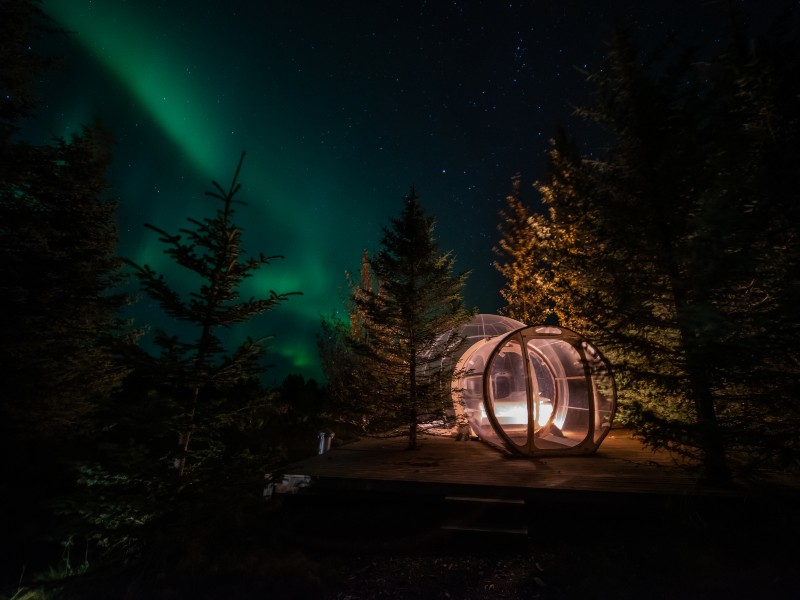
For those that want to try the most comfortable hunt around, we recommend the Northern Lights igloo. Lay back on a down comforter in a heated bubble and have a drink? We can hardly think of a better way to spend the night. (Or a better photo op!)
Iceland northern lights season: the most wonderful time of the year
In Iceland northern lights season is a magical time. But when do they actually happen- and when’s the best time to come see them?
The two halves of the year
Most of us know about the four seasons and the special relationships that different places can have with them. There are dry seasons, seasons that bring great storms, and times when amazing blooms and colors transform the land. You’ve seen it in autumnal leaves, avenues of cherry blossoms, fields of fruit, and grasses that grow ten feet fall! Seasons were our clock before we had a better way to count the time- and here in Iceland that is truer than most.
If you’ve had the chance to visit Iceland, or any country in proximity to the poles, you may have already experienced the extreme patterns of light that I’m referencing. Tales of the ethereal “Midnight Sun”, or endless days of darkness that see no light. The closer to either pole you get, the more severe this pattern becomes.
Because of the tilt in the Earth’s axis, the polar regions of the Earth find themselves much closer to the sun in summer, and much further away during winter. As you move closer to the equator, many countries further down feel the echoes of these shifts in light as well. Some, even further north than Iceland, feel it even more.
You can see what the annual sun graph of Reykjavik looks like here. It’s a great way to get an idea of what the light will be like when you visit. Try it for your home, or a city far away from you. It’s amazing to see how differently we experience the world- even at the same time.
The Icelandic settlers of old had to balance their survival with this harsh cycle- and created a calendar to help them manage their livestock, their crops, and their morale. This old calendar still has bearing on society today, and its holidays are still beloved as reminders of the natural progression of this place, in a way that the modern global calendar sometimes is not.
This calendar was based heavily around solstices and equinoxes of the year, and with its 12 months it splits the year into two halves. These halves were the summer/nattleysi, or lack of night, and the winter/skammdegi days, or short days. All of these were checkpoints in the arc of time, and were visible and even ways to mark its passage in a place where it often felt as if there were only two seasons to measure.
It was a difficult life for the settlers, and surviving the winter was a cause for great celebration. You can tell when the local populace felt the breaking of winter at the end of April- because that is traditionally when Iceland marks the first day of summer, or sumardagurinn fyrsti. This is a national holiday, and it is celebrated on the first Thursday after April 18th. This is a day of festivals and merriment, even though it may not seem very summer-like in temperature or appearance. But for Icelanders, this day marks the end of the long dark, and the beginning of the lengthening of days.
At one time, it meant the increased likelihood of survival, and days where one could work, craft or read without the obstacle of losing the light.
So where do the northern lights come in?
We know a little bit now about Iceland’s age-old relationship with seasonal time, light cycles, and surviving the harsh winters. But where do the northern lights come into all of that?
To give you the short version- the northern lights themselves can happen at any time.
They happen so far above our planet in space, that temperature, season, and time don’t mean too much when it comes to their arrival and creation. The first thing to realize about the aurora, is that it is a function of space weather before all else- but seeing it does require a little bit of cooperation from our own Earth weather, as well.
When an aurora is born, it is due to the sun releasing a solar storm into outer space. You can read more about that process here. We can track these storms to an extent because of the orbital patterns of the sun and the reappearance of sunspots, which more regularly release these strong systems. However, our ability to measure and predict space weather is still very much a developing science, and can be imperfect at times.
Despite all of that, the sun is releasing this energy all the time. Depending on the solar cycle and factors facing the travel of solar storms, this activity can find its way to us at any time of year, in any season. This means that it’s entirely possible for solar activity to arrive in our atmosphere in the middle of summer, or during the brightest point of day.
The difficulty here is actually with us. Auroral light is a visually delicate natural phenomenon, despite its volatile origins. To see it with the naked eye, we require darkness in order to pick up the low lumen light that it creates.
(An additional difficulty here lies with us as a species, because of how we perceive color visually in dark places. Because we are not nocturnal, our eyes are not designed to process color as well at nighttime, and so it’s already challenging for us as creatures to look at this type of light.)
Which is where we circle all the way back around to our first point- and Iceland’s dramatic dark and light seasons.
If the aurora arrives in the high point of summer when we experience only civil twilight, we wouldn’t be able to see it. It would technically be there, dancing and possibly displaying incredible colors- but we would only be able to see that from space at best. (And sometimes, NASA sends us a video of it!)
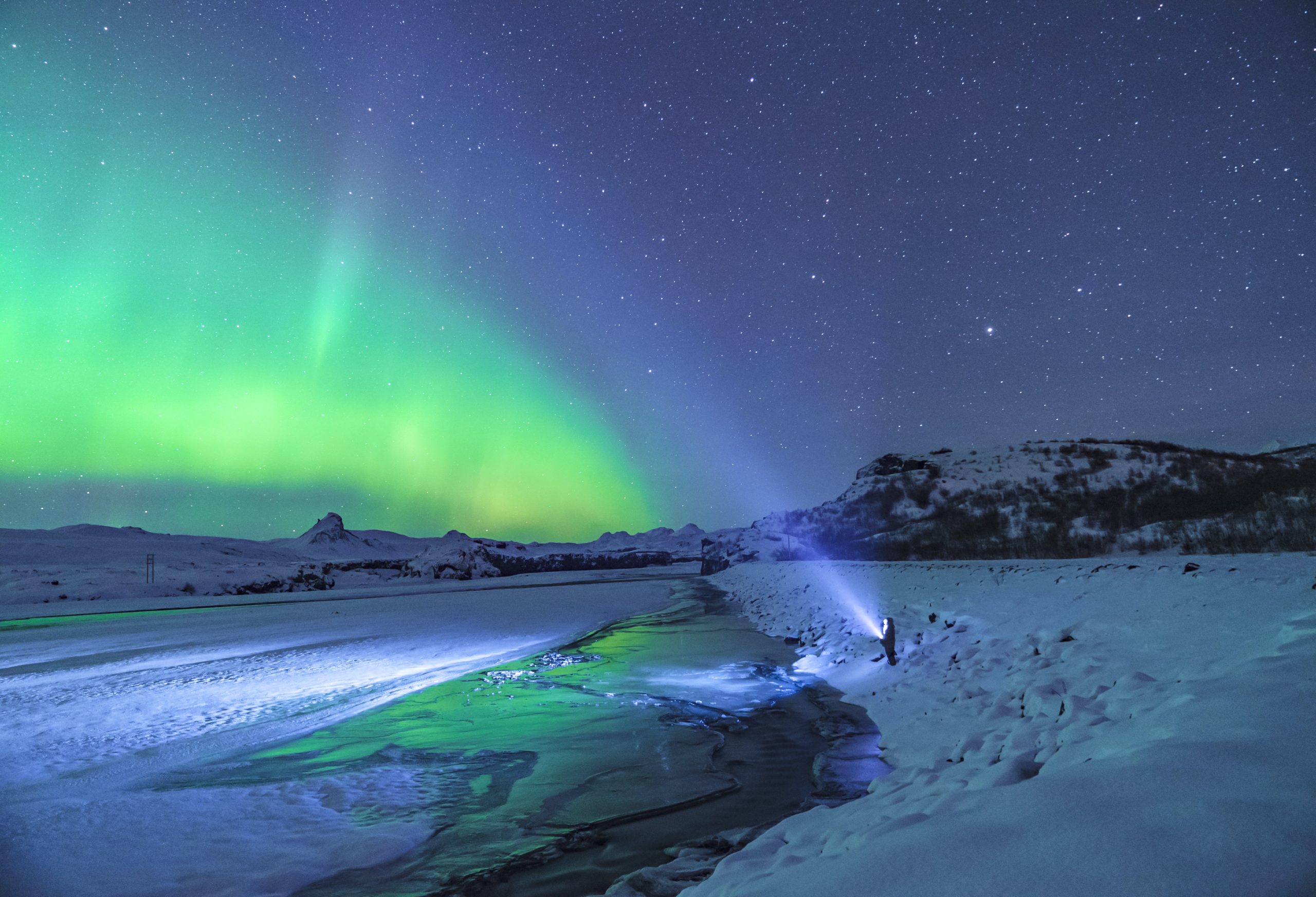
The same situation happens for us during the daytime, even in the winter months. Even though we only have a few actual hours of daylight, we still require the solid darkness of night to bring forth the best canvas for auroral glow.
Can we start our hunt earlier in the midwinter? Definitely! We can start heading out as early as 7 or 8pm on some nights, a thing that would be rather difficult to do in the earlier days of the auroral season. But we do still require that deep darkness of nighttime.
In Midsummer and Midwinter, we start to lose or gain minutes of sunlight. This means that once we hit Midsummer, we begin the ever-increasing trek to winter darkness. We don’t always notice this right away, but typically once we reach August, it becomes dark enough to witness the spectacle of northern lights.
For me, the earliest I have seen them was at the end of the first week of August. This is only the beginning though, and so I would likely wait until a bit later in the season (late September at the earliest), to plan a trip.
This darkness builds every day until mid-winter when we start to gain the sunlight back. This typically means that we can witness auroral light until the very beginning of April, though March is the popular cut-off. (Similar to August, April would be the very tail end of the possible season- and would be a risky time to book an aurora hunt.
Though, there are quite a few intrepid photographers that catch them that late in the year, with lots of practice, lots of experience, and a tiny bit of luck. It is, of course, Lady Aurora herself waving goodbye for the year- she loves a dramatic exit.)
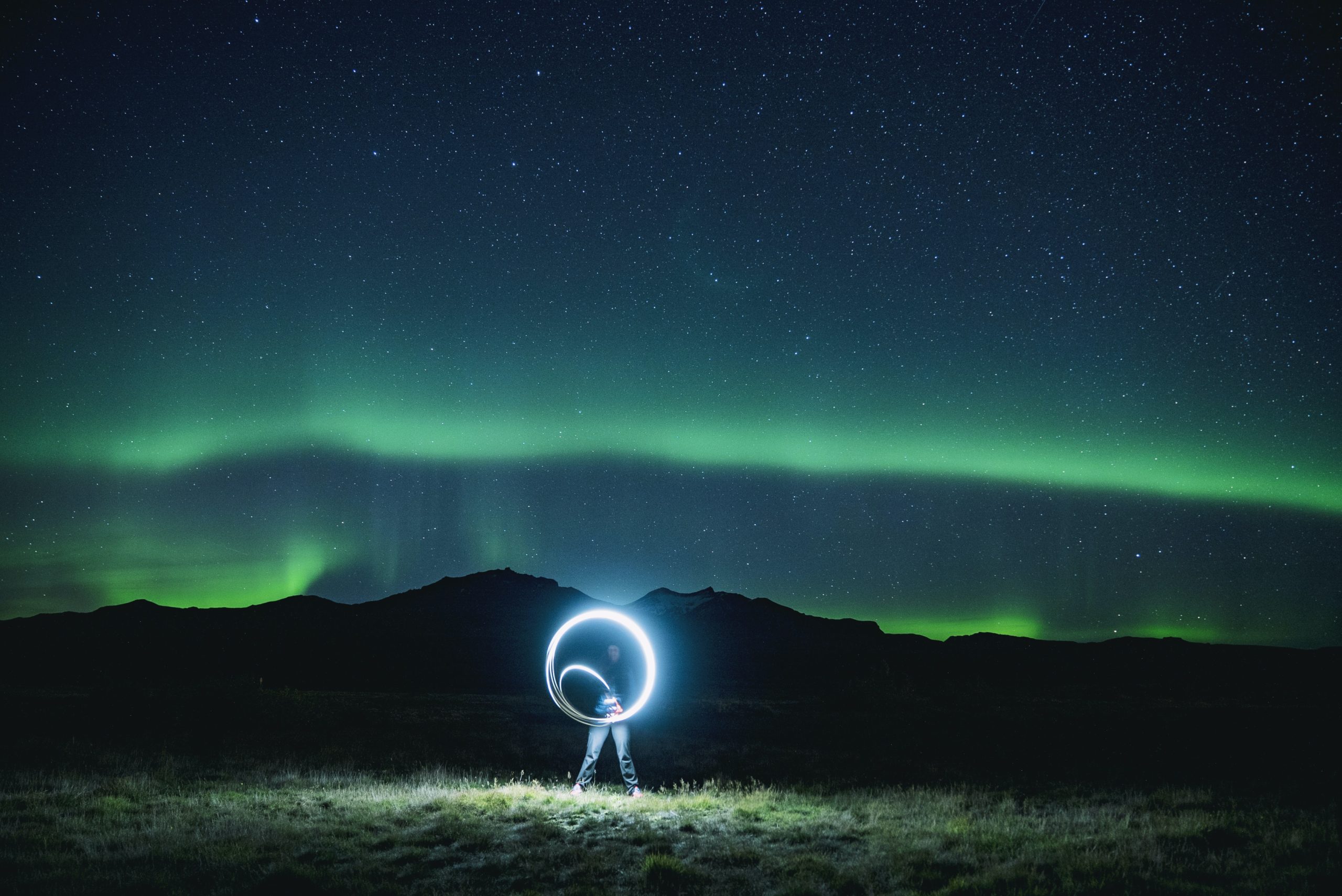
Some materials do talk about the ‘daytime aurora’, and this is not an incorrect statement. There are many places further north than Iceland (like Svalbard for example), that have an even more extreme sun graph than we do. (Though you can visit Siglufjörður, where they celebrate the first day that they see direct sunlight again.)
Places like this may not actually see the sun at all for quite some time- and maintain the ability to see northern lights for a longer period of time because of that. In addition to the extended dark hours during the day- they are also closer to the pole. Proximity to the pole can mean that they catch more of those low-level auroras that don’t travel very far out.
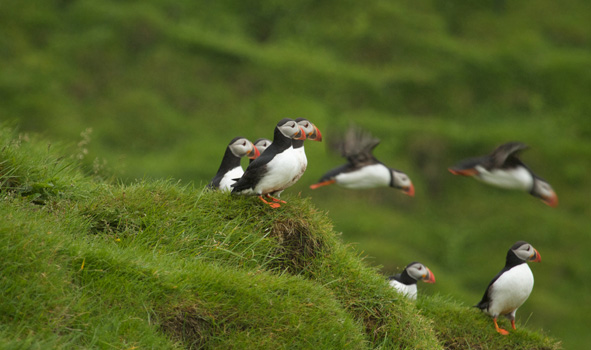
So don’t fret! The truth of the matter is that you have a whole half of the year to hunt for auroras in Iceland, as our forebears might say. (And for the other half of the year, you have puffins, endless lupine fields, and all the sun you can handle!)
But what about the weather?
You know about the Midnight Sun, the space weather that makes auroras, and the half of the year when we finally get enough darkness to see them. But what about Earth weather?
Earth weather does not interact with the northern lights, because it exists in the troposphere layer of our lower atmosphere. This is where most of the clouds in our atmosphere are located. It is sometimes said that extreme weather (things like polar vortexes and massive storms) can occur as far up as the stratosphere, but this is not entirely accurate. The stratosphere is particularly dry, and lacks the moisture to regularly create clouds, like the more humid troposphere.
To give you an idea of scale, these layers of the atmosphere combined are nearly 50 kilometres above the Earth. And still, it’s not high enough for auroras.
Auroral activity occurs in the ionosphere, a section of the atmosphere that overlaps the mesosphere and the thermosphere. This is an area of the atmosphere where a great deal of electrons and ionized atoms and molecules occur, thus housing a key part of the collision recipe that makes the visible aurora.
This means that myths about temperature and storms don’t necessarily hold true, and they don’t inhibit aurora activity. They do however get in the way of our viewing path.
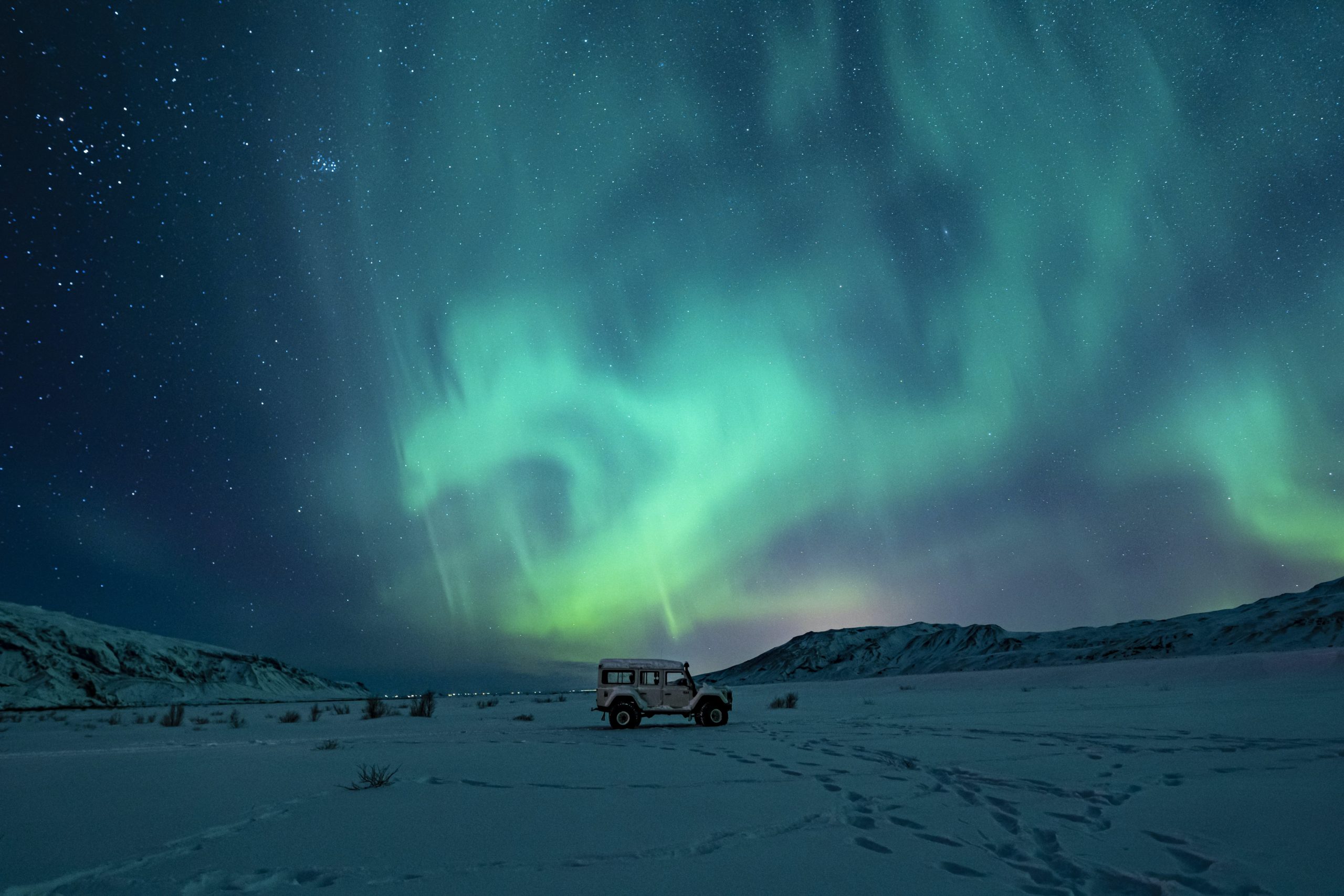
The view from Earth
Since we are watching from the Earth’s surface, anything that does happen in our weather system can get right in between us and the aurora. This means that sometimes the aurora forecast is great, and shows high solar activity and an incoming show- but if it’s cloudy, it’s as if someone pulled the curtains. The show goes on of course, but anyone under the cloud cover is missing it.
This is why the aurora forecast usually comes in two halves. The space weather or solar activity half (where we use the 0-8 Kp scale), and the Earth weather, or cloud map.
Much of what we are discerning before a night out hunting, is can we see the sky, where is it the clearest, is that clarity window moving due to wind- and if we can find a good spot to watch from, is there any solar activity?
Iceland is known for its rowdy winter weather, and depending on where you are in the country, you may find yourself exposed to some interesting micro climates and storms. The good news is, is that if you have the ability to travel and move around, sometimes it’s just as simple as driving over to the next cloudless spot. (And not forgetting the snacks, of course. It’s definitely a process some nights.)
Ready for the hunt: A Recap
You know it all, now! (Who am I kidding, nailing down space weather is a learning journey that never ends. At least not in our lifetime!)
Let’s do a onceover to make sure we’ve got our northern lights trip toolkit together.
First, we have to book a trip in the right half of the year. This means we’re headed to Iceland some time between September and March at best. (If you want to catch the tail end of August or the early start of April, you can try it, but it would not be a recommended time frame for northern lights.)
However, it is always good to remember that the northern lights are a natural phenomenon, so it is best to plan a trip first for the experience of visiting the place. Iceland is a wonder all on its own, and the northern lights are just one of its many gifts.
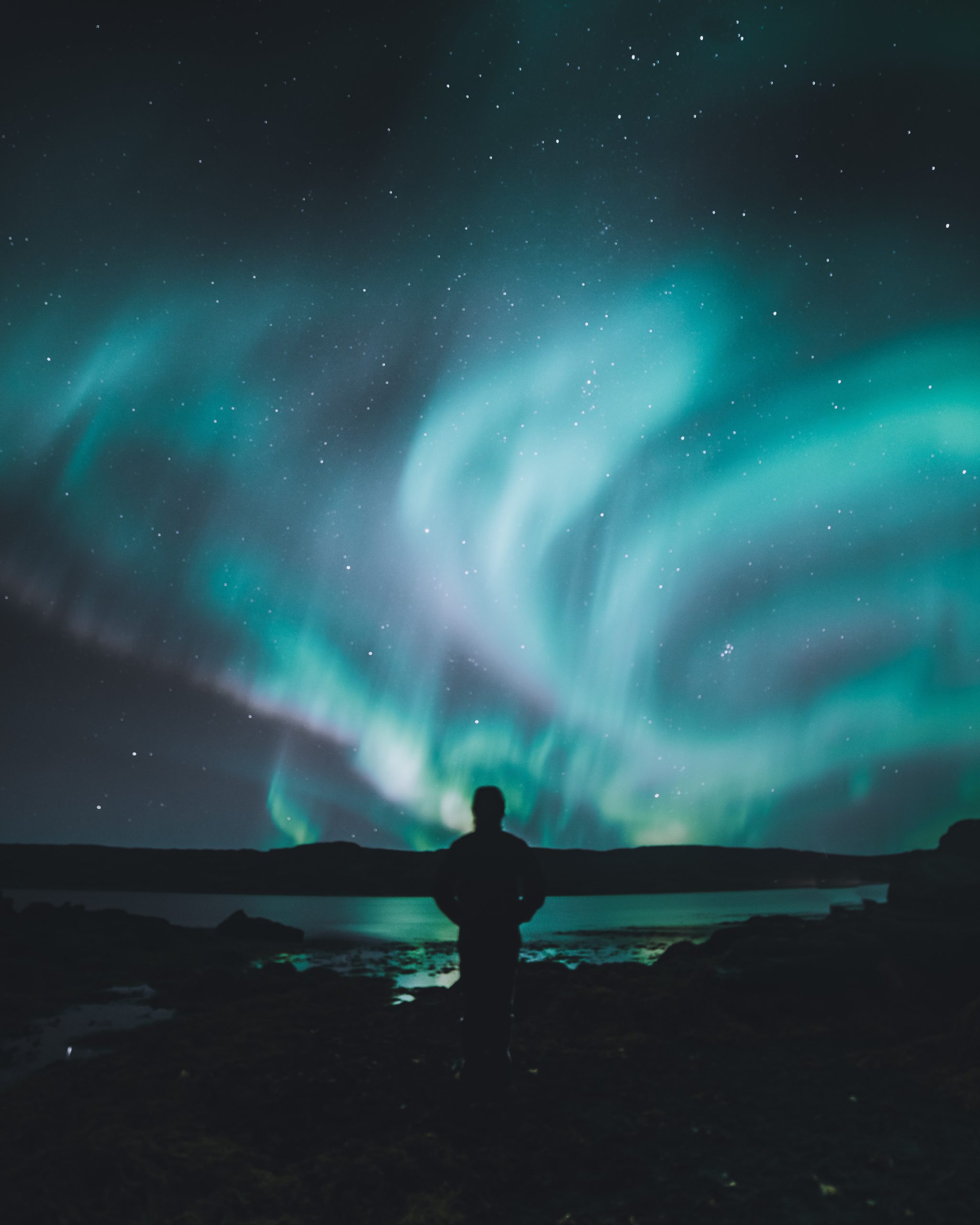
Assembling your Aurora Toolkit
Once you’ve booked your trip for the ‘aurora half’ of the year, you’ve got to remember all of the pieces that have to line up in order for a successful hunt.
These are things like making sure you’re out at night (not at 3:00 pm, even if you could swear it feels like midnight- which it kind of does in December-), making sure you’re in a clear area or an area that will become cloudless or ‘cloud light’ by nighttime, and of course, having a small check on if there’s any solar activity that evening.
It also helps to make sure you’re not in an area of extreme light pollution. Iceland is not populated by huge cities, so we do fairly well on this front, and it doesn’t typically take long to get out of the city and into some real nighttime. However, if you find yourself city-bound at any point, try looking for a spot that takes you out of the direct light and gives you a bit of a break on the eyes.
Remembering that the Aurora Forecast is not the last word!
It’s good to remember that many of these things are variable and imperfect, so it is not always necessary to plan by extremes- unless there is very inclement weather or a safety concern. (Those types of alerts always come first. Can’t enjoy the lights if you’re frozen.)
What I mean by this, is that forecasts are infallible. Not because they are in any way bad, but because weather is a volatile force that occasionally evades even the best of us.
This means that the cloud radar can be off or slow, and the Kp number may not be accurate. It is possible for forecasts to gauge the speed of a solar storm incorrectly, as there are many factors that can add to that figuring. It’ll probably be a few years before we nail down space weather, but I can guarantee that there are a lot of brilliant people working on it.
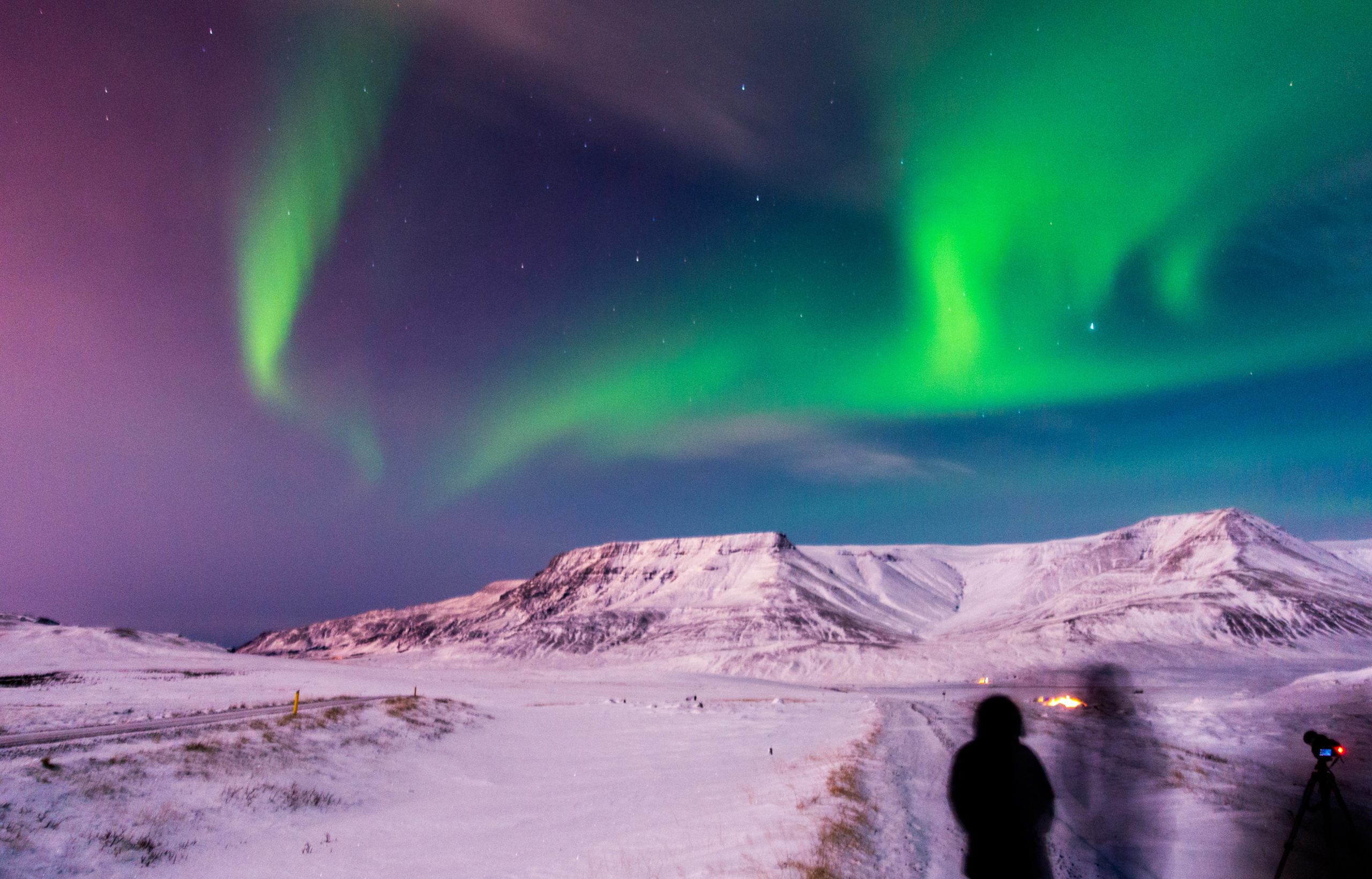
When the numbers don't add up, still look up!
This can mean that some nights, an aurora can occur on a Kp 0 evening. It can also mean that an exceptional evening (like a fabled Kp 8!), can disappoint us. This can happen for many reasons- which sometimes remain unknown to us. Sometimes powerful activity reaches so far that we end up in the middle of it instead, similar to being in the eye of a storm.
Sometimes it’s because we didn’t move very much on our hunt, and so we were only viewing one slice of the sky. It can happen that people see an aurora in one place, but a few kilometers over, nothing! Northern lights are like snowflakes in this way, and no two occurrences are alike. Forecasts are a great tool to have in your kit, and it can be good to cross reference a few good ones.
The TL;DR: Every aurora is a gift
Learning to decipher all of the different forecasting tools can be complex, but like many other information sources, being able to read a few different ones can sometimes give you a more comprehensive idea of what may be going on.
Sometimes, it can be that an aurora did happen, but it was a visually weak occurrence, and you did not realize you were seeing it. If you have only seen photographs of northern lights, it can be hard to recognize a low level manifestation- as they are not quite as neon and extreme as a photograph can be.
Nighttime photography uses processes like slow shutter speeds, aperture, and ISO to perceive light in darkness, in ways that our eyes cannot. This does not mean that auroras cannot be bright, or that all photos are photoshopped- but it does mean that the average occurrence will most likely not match the once-in-a-lifetime shot that you saw on a postcard.
Sometimes all of the factors are completely lined up, but there’s a weather warning, and it just isn’t a great night to chance it. The weather conditions can get very serious here very quickly, and are not worth risking.
All together, this sounds like a massive feat. The thing to take away is, that if you have a window of clarity in the sky, and you’re here in the magical half of the year that gives us this other kind of light, have a look. Once you know how much work it takes for the universe to produce one of these things, it feels miraculous that they happen at the frequency that they do.
Know that you may have to keep an eye out for longer than you’d expect sometimes, and you may not always be successful. But as every local knows, it is always worth looking up. They often happen when you least expect them. (..And it can also be nice to have a few drinks and a hot pot to soak in. You know. Or a transparent Bubble to wrap up in. Just saying.)
Dream destinations: The Northern Lights Iceland Igloo
Everyone’s got a bucket list of dream destinations. Here’s why northern lights in Iceland in an igloo should be on yours.
More than just a great room
Travel has been busy leveling up! You can check in to all kinds of places these days. There are bungalows on stilts in the ocean, plush rooms in forgotten castles, even little treehouse palaces that you climb into the forest canopy to hide away in.
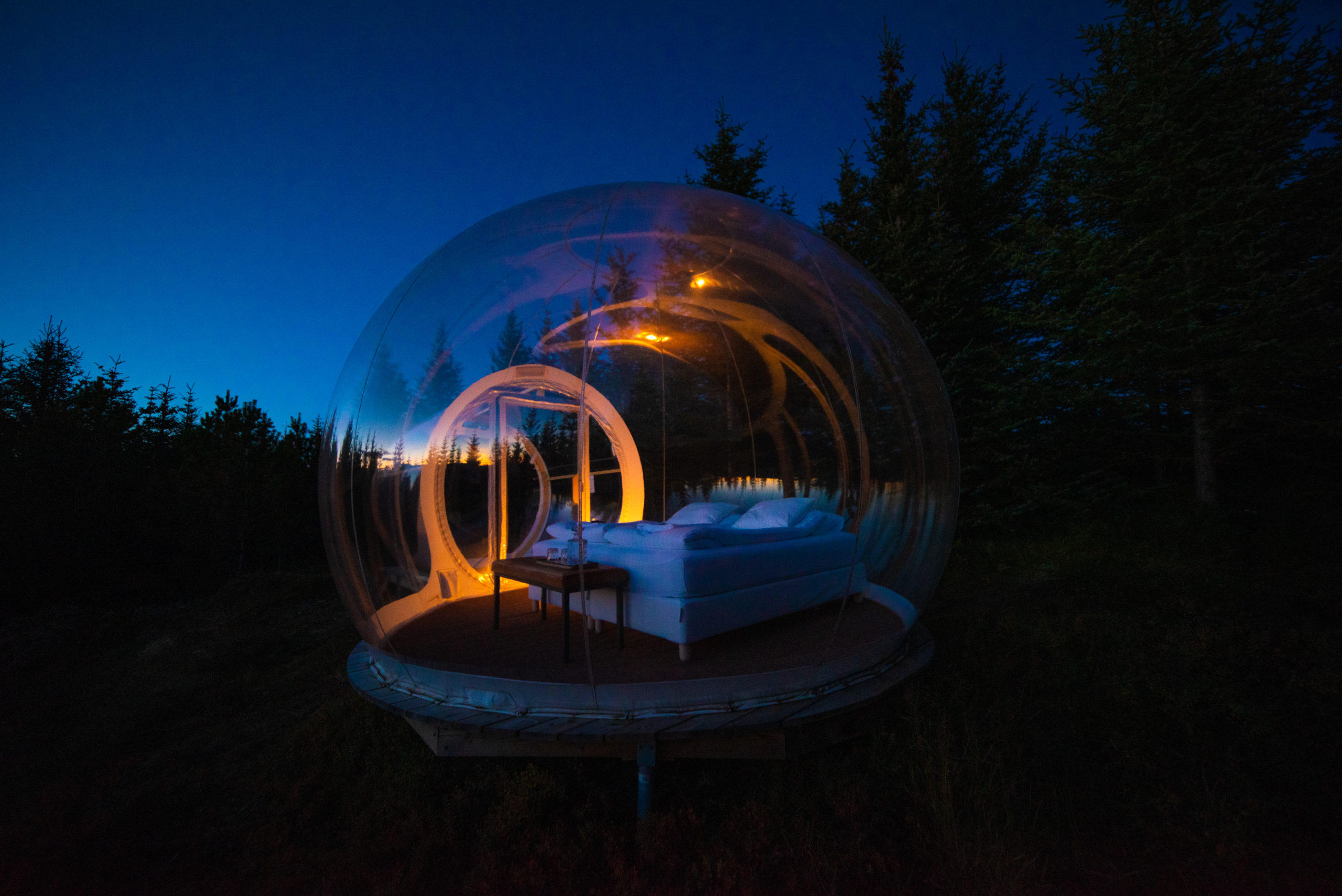
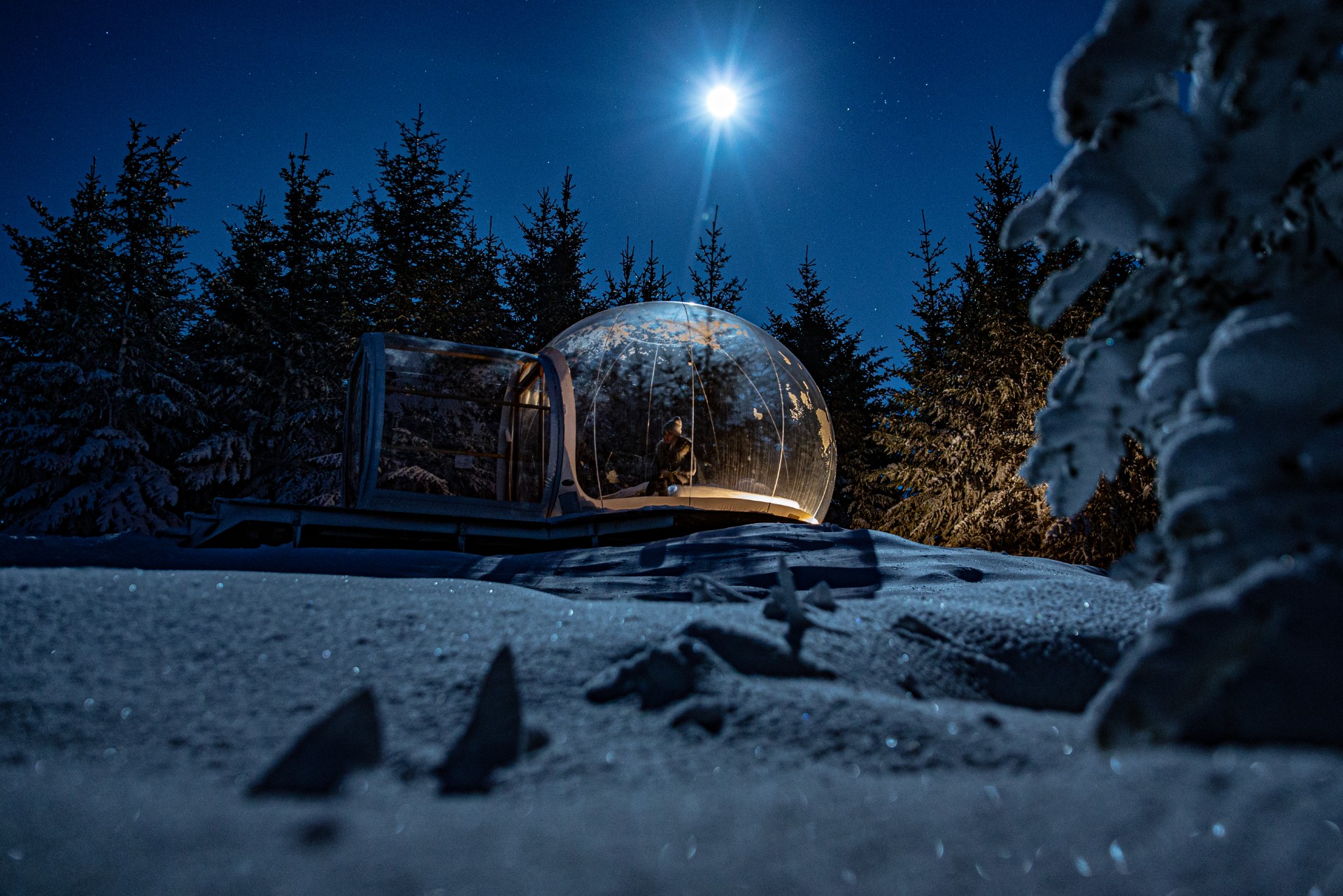
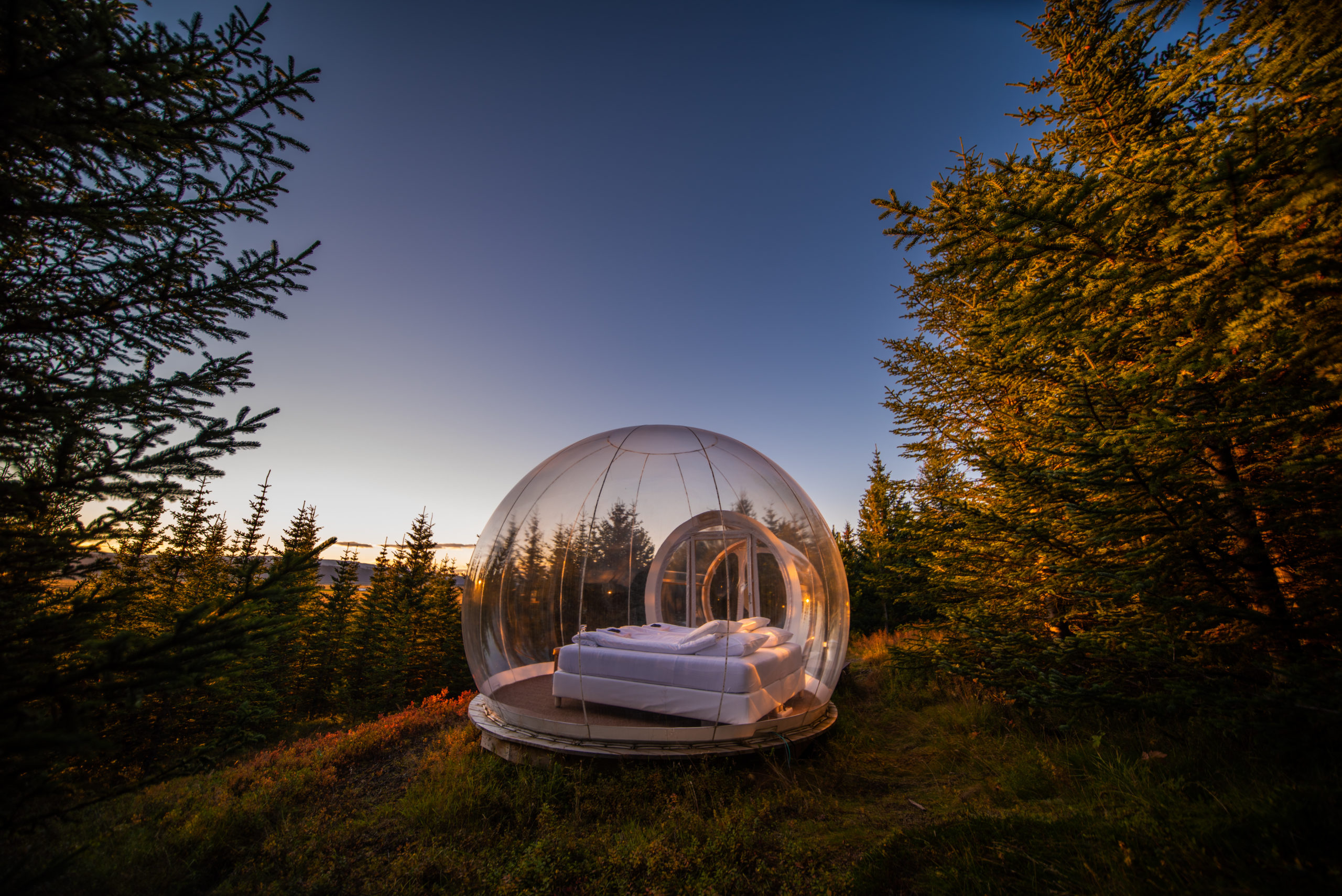
Luckily, we get to claim one of these wonder destinations as our own here in Iceland. Popularly sought as ‘igloos’, we like to call them Bubbles. Most people search for Northern Lights Iceland igloo when trying to find them online. The Bubbles regularly find their way into the company of these great escapes, on these fabulous dream lists- and for good reason.
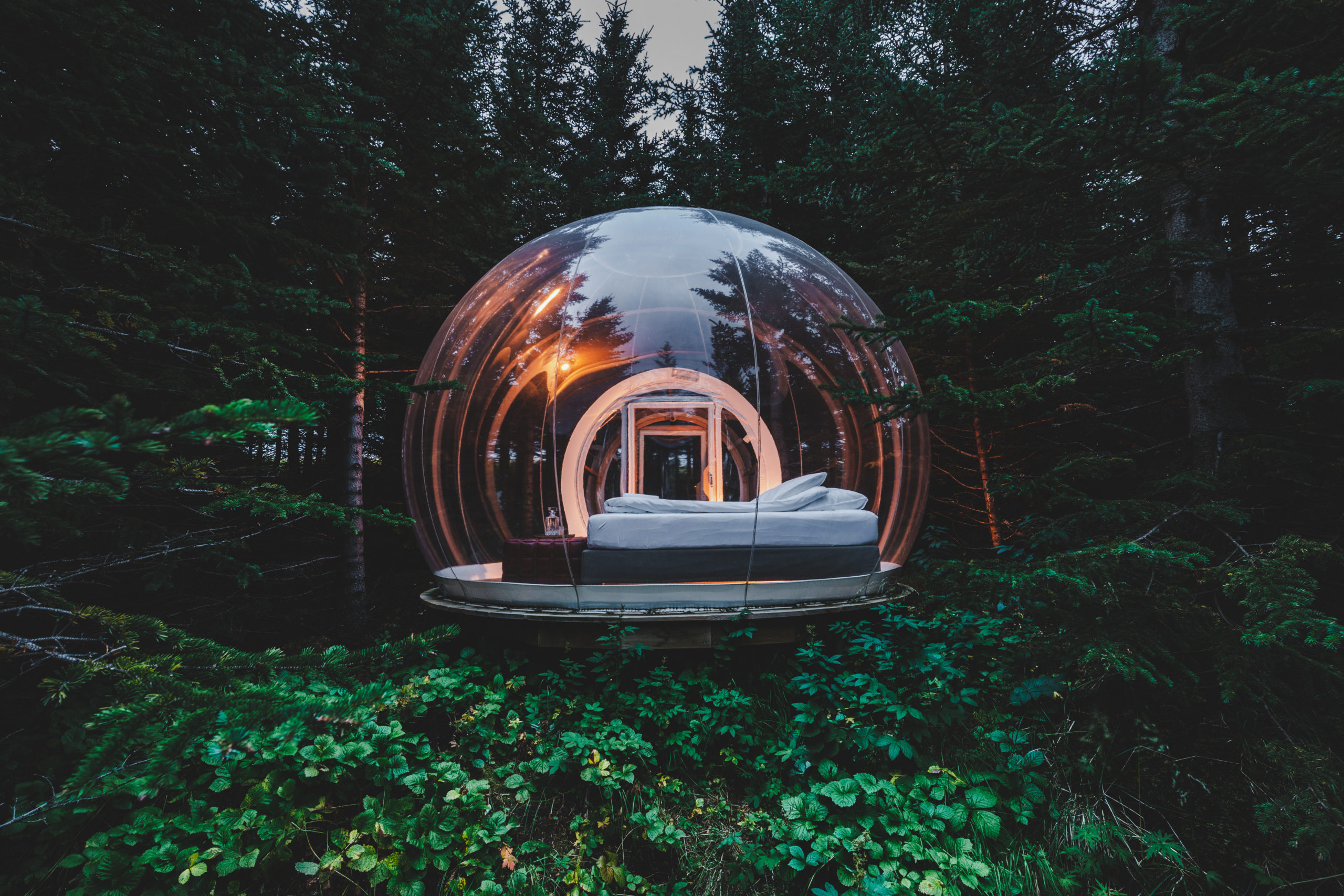
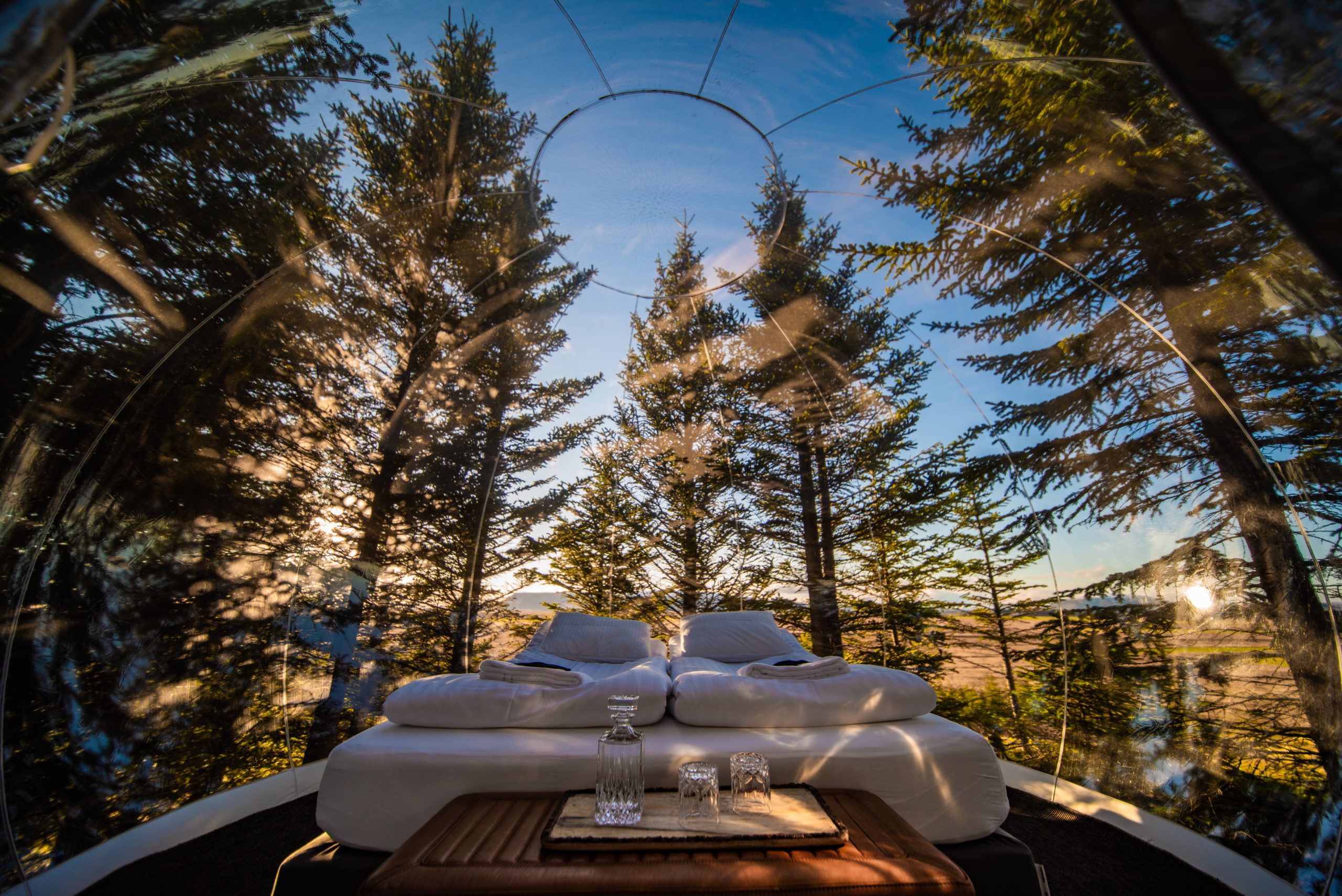
Not only are they gloriously strange little structures, being fully transparent and domed at the top, but they come with the grandest view that one can offer. There are no windows, curtains, or options to add to the price for a better scene out of your one window. The whole Bubble is your window. And the scene- well, it speaks for itself.
A land that needs no introduction
The Bubbles can be found in the country of Iceland, a small island nation tucked away in the vast North Atlantic. A micro paradise of color, texture, and breathtaking natural wonders, Iceland on its own is a dream destination.
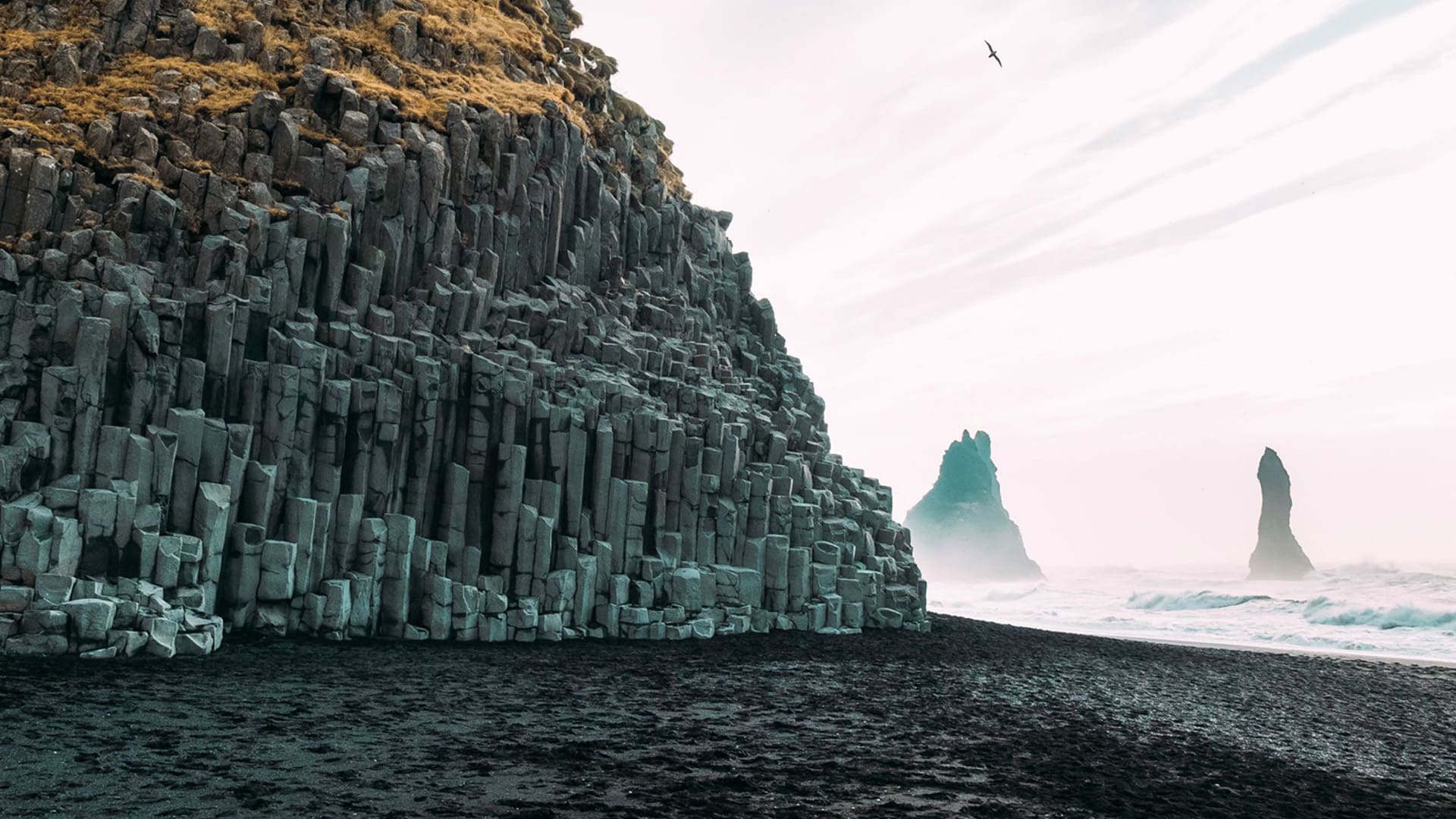
Because of its size, one can easily travel the perimeter highway, or Ring Road, of the country in 5-7 days by car. On the way, you will pass through multiple otherworldly landscapes- and some would joke- multiple seasons as well. From the electric green moss covered lava fields, to the hulking blue and white glacier tongues of the south, all the way to the red and orange rocky underbellies of the protected geothermal areas throughout, Iceland is a treasure box of sights that charms in all seasons of the year.
People visit Iceland in all seasons, each of them on a different quest. Some come in the autumn for the changing colors of the Arctic flora, or the last well lit days of world class hiking. Some visit in the summer to experience the Midnight Sun, the festivals, and the multitude of leisure sports that the country indulges in during this mildest season of the year.
But others come in the depth of our magical winter, to journey into the glacial embrace of ice caves, ski our cozy slopes, and hunt for one of our most famous treasures- the dancing lights of our night skies.
Iceland is a feast for the eyes, no matter when you visit. But aside from its regular earthly headliners, it also happens to be a prime location for aurora viewing- one of the world’s most ethereal phenomena.
Because of Iceland’s northerly location to the pole, it is common for low level solar activity to form northern lights that are visible from the island. This is why they are more regularly expected in countries closer to the pole, instead of the more southerly lands that they can visit on the occasion of a great solar storm.
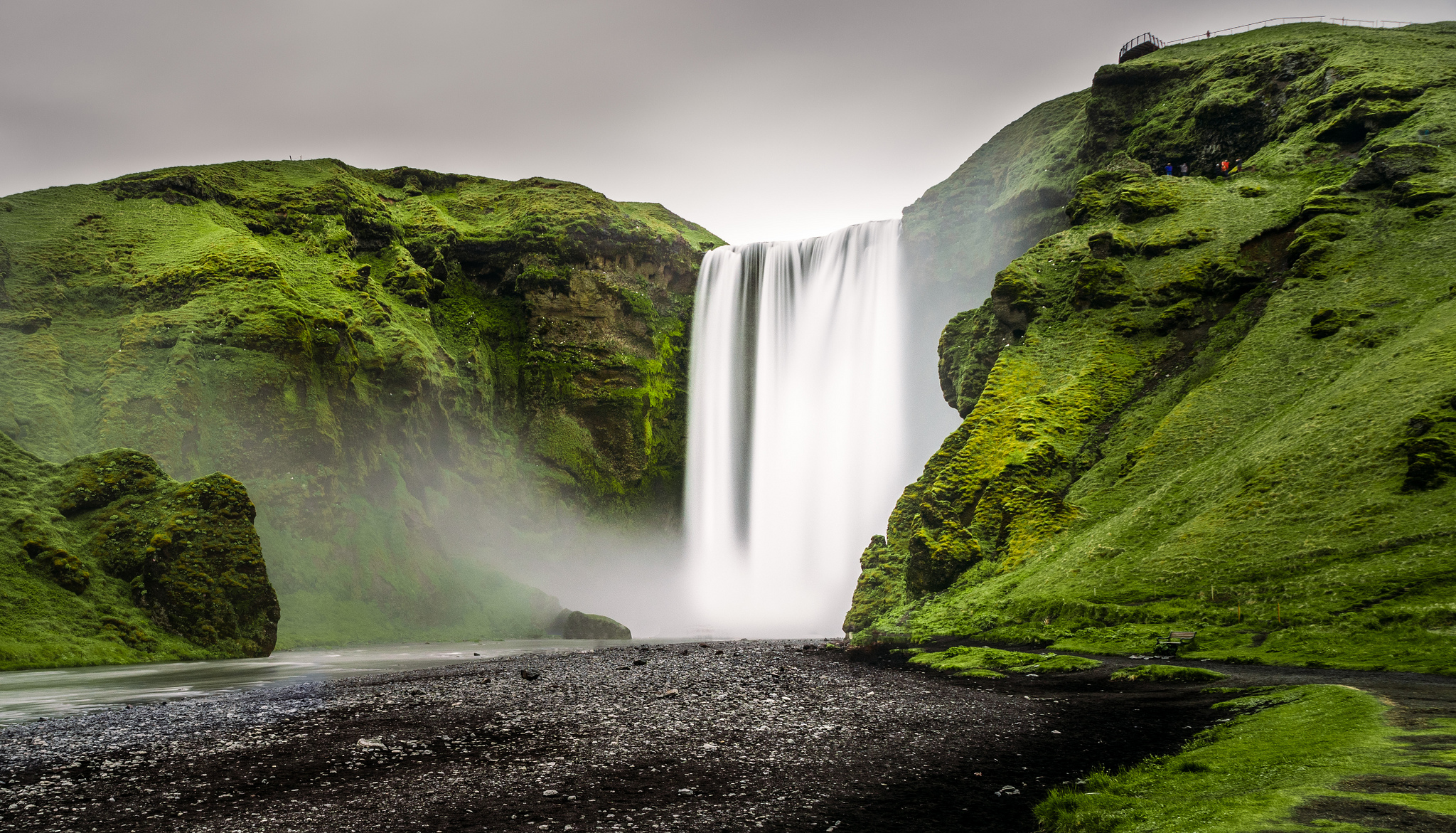
As you may know, auroras can happen at any time of year, and depending on strength, can reach quite far down from the poles- but our ability to see them with the naked eye depends on the cooperation of many outside factors. So the closer you are to the pole, the easier it will be to catch the more regular activity.
Being a bit more compact than many of our neighbors, Iceland’s size means that if the cloud cover is merciful, you will never be more than 30 minutes from a location in which you can aurora watch from.
It also means that you will often be within proximity to a populated town, paved roads, and a lack of debilitating light pollution that countries with larger cities struggle with. These factors make Iceland an ideal hunting ground for auroral viewing. (And being cozy. It’s important!)
The Northern Lights Iceland igloos
So you know about Iceland- but what about the Bubbles? Tucked away in the spruce and aspen forests of the Icelandic countryside, there are to date less than 20 Bubbles available to stay in. This is a unique experience that is kept small and limited to tiny amounts of people.
Maintained by a small team and inaccessible to any travel sites or outside agents, all of the Bubbles exist on farmer owned forested land. It is a dream of the Bubble team to support local farmers by creating another way to earn money, without risking their few trees to industrialized tree felling.
The Bubbles encourage small-scale gentle tourism to places of great beauty, the fragile Icelandic forests, in order to preserve these treasures of nature for all of us, and for the generations to come. So when you stay in a Bubble, your experience enriches not only your life- but the lives of many others.
In a time when we need to protect our trees and carbon sinks more than ever, the Bubbles serve an important role. Outfitted in two different forest locations in the Golden Circle region and the south coast area, the existence of these magical little igloos harnesses the power of travel for good- and they are only getting started.
With many dreams for the future, the team at Bubble regularly states that “nature is luxury”, and after a visit to the Bubbles, you can see why. Both Bubble locations are unique and carefully organized to create the lowest impact on the surrounding area. Each Bubble is enclosed in their own small grove, and is closed in tight with local flora that changes with the seasons.
They are heated, and are perched on their own handmade wooden platforms for balance. Inside each one lies a sumptuous, luxury hotel grade bed with downy comforters and luxe furnishings. They are watched over by a local team, who can squirrel away artisanal snacks and bubbly before you arrive, at your request.
Unlike many unusual accommodations, the Bubbles are not serviced by a large hotel or massive complex. They are truly a part of the forest, and are served only by the manicured mulch pathways between them, and the tiny service bath houses that they share.
The goal here is to blend in to nature as a guest, and to appreciate its gifts. Not to impose upon it, and interrupt its growth and health.
The experience
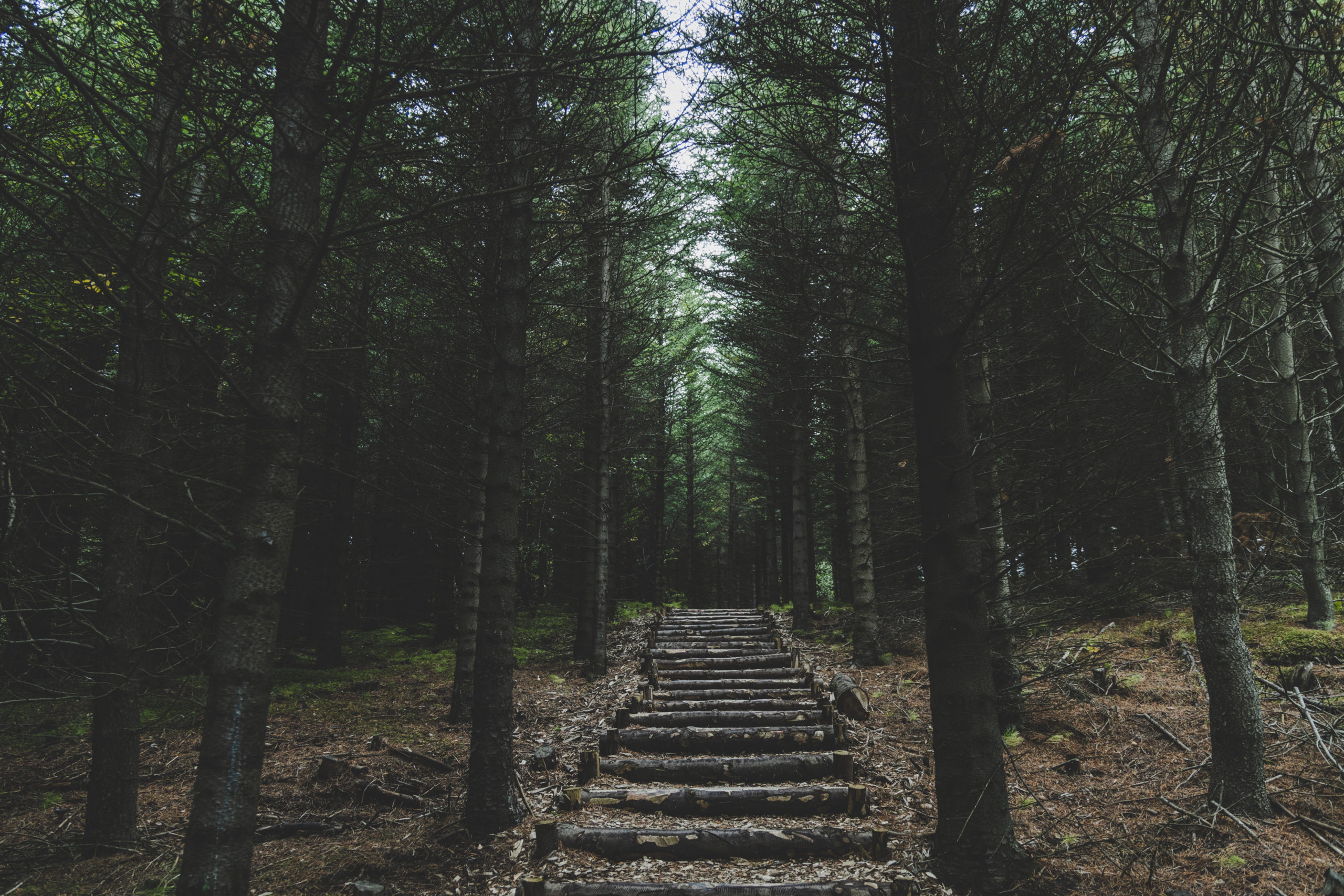
The Bubble structures are amazing to sleep in, and even more amazing to stargaze from. For those that have already had the chance to aurora hunt in a northern clime, you may recall that it’s… A bit chilly.
The trade off for witnessing nature’s paintbrush is often a long night out in the cold, windy and damp conditions, frozen hands and a lot of waiting. Like many natural phenomena, an aurora is never guaranteed, and the forecasting systems used to predict them are still very much developing tools.
This is of course space weather that we are tracking, and those speeds can be challenging to nail down.
The Bubbles are to date one of the coziest ways to hunt for the northern lights. Fully transparent and heated, the opportunity to lay in a luxe queen bed in your pajamas while sky gazing is definitely not the norm.
Because of their locations, Bubble guests enjoy the full darkness of an unpolluted sky. Light pollution remains one of the largest challenges to aurora hunting, and is often the primary obstacle for city and town dwellers. But out here in the country, you’ll quickly be able to see why they call the Bubbles “the 5 million star hotel.”
Despite the occasional branch, you’ll have a full open “ceiling” in your Bubble, and can laze away all night without ever having to pull on a coat. It would be an understatement to say that this is likely the most comfortable and luxurious way to aurora watch.
But wildly enough, the experience does not stop there. Aurora watching the night away and slumbering in the arms of nature are certainly experience enough, but the Bubble team didn’t stop there.
While a self drive experience is available, Bubble also offers a fully guided tour on the way to your Bubble hideaway. Both to the famous Golden Circle and then also to the South Coast. This means you can be picked up in Reykjavik that morning, and taken on a full tour of the area, expertly guided by one of their staff. This is of no extra cost to you, and is an amazing way to spend the day.
Upon picking you up at a Reykjavik location of your choosing, your local guide will take you on a whirlwind adventure of the region that you will be staying in. They do this in one of their luxury vehicles, and it includes all of the popular wonders of the area, and some of the secret favorite details of the guide.
After a full day of sightseeing, you break for dinner at a local eatery, before being seamlessly deposited at the Bubbles. (I recommend the local lobster pizza!)
With full bellies and tired legs, it’s time for a hot shower or a warm drink in the service house- and then cozy time in your own private Bubble paradise.
An early night of relaxing and listening to the sounds of nature, and maybe if you can keep your eyes peeled, even some northern lights.
When you awaken the next morning, your guide will be waiting to bring you back to town. No worries about directions, driving, or beating the clock. Only you, the soft Icelandic countryside in your window, and the soft calm of a slow morning after a once in a lifetime experience.
When Is The Best Time To Visit Iceland?
Text by Sonia Nicolson
When’s The Best Time To Visit Iceland, Summer or Winter?
First off, of course you can travel to Iceland all year round as there really isn’t a high season anymore, but one of the main questions we get asked is wether to visit Iceland in the summer or winter. Weather is a big factor in planning a trip to Iceland. The weather here is incredibly unpredictable and it is commonly said that “if you don’t like the weather, wait 5 minutes”. You can often experience both summer and winter weather in one day, and in any season, so it’s advised to expect the worst and hope for the best.
Many travellers come to Iceland in summer as they feel winter will be too challenging but winter is slowly becoming as popular so which is better? It’s a hard question to answer as both seasons have a lot to offer, so instead of recommending one, here are a few highlights for each season to help can decide.
WINTER – A Winter Wonderland
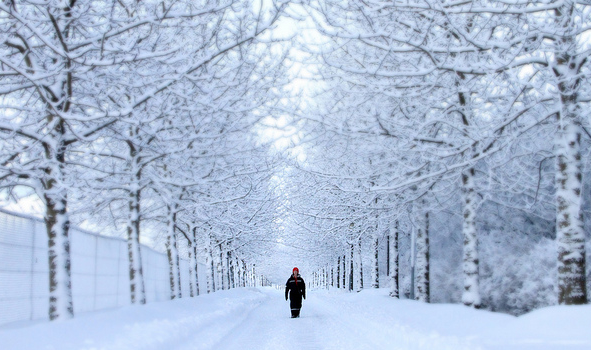
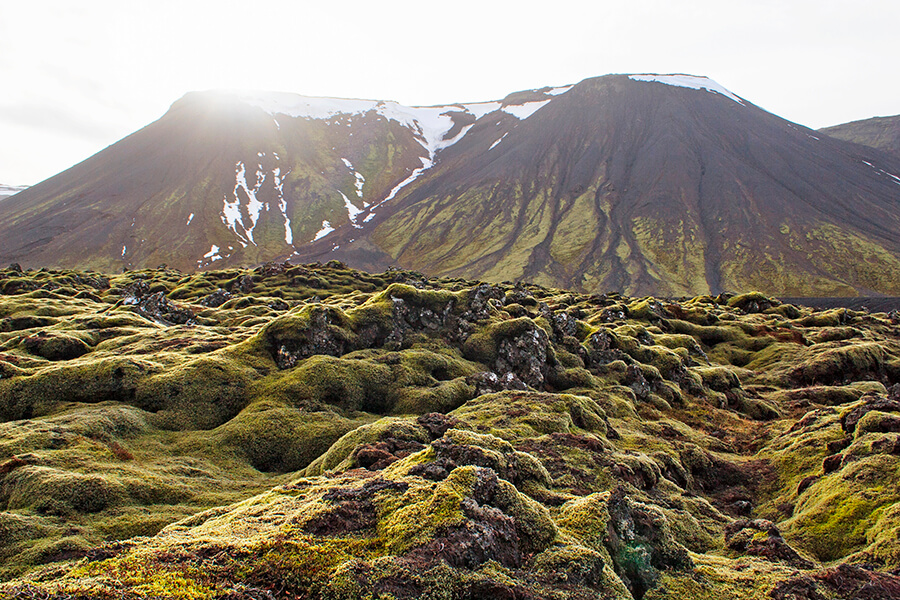
Let’s start with winter (October – April), winter in Iceland is so different from the soft green mossy landscapes of summer (June – August). This otherworldly landscape is covered in a white blanket of snow with stark contrasting black lava pecking through. Both are beautiful and should be experienced if you are lucky enough to travel here more than once.
Snow, Sunsets and Frozen Waterfalls
In winter the days are short with sun rising at 10:45 and setting at 16:00. The sunsets are stunning with pink, yellow and orange glowing wisps across the afternoon sky. You will probably see some of the most incredible sites set with a wonderful wintery wonderland backdrop. Frozen waterfalls are just stunning but be careful as they can be very slippery and dangerous. If there is a ‘no access’ sign, please respect this as it’s there for your own protection.
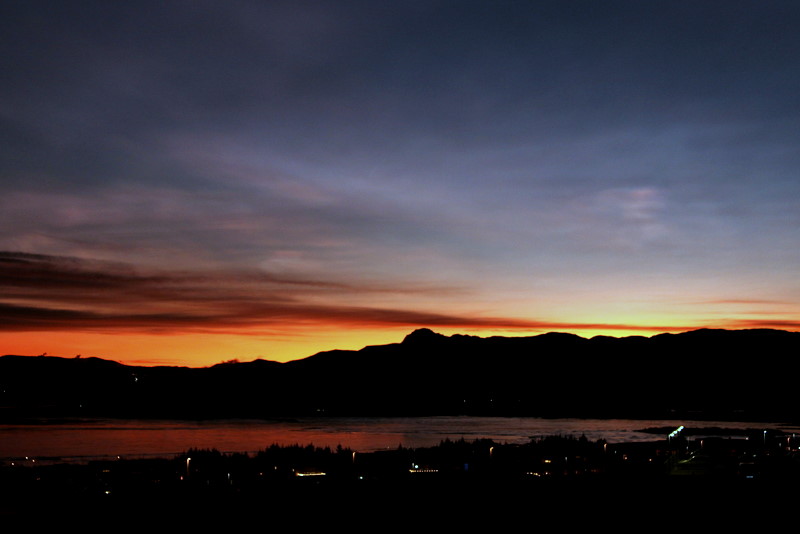
Northern Lights
The first and more obvious reason to visit in the winter months is for the Northern Lights. This breathtaking natural phenomenon can only be seen in winter, when it’s dark and the sky is clear. The rule is that if you can see the stars then you will have a good chance of seeing the Northern Lights. The best time to see the Aurora is from 1st September, through winter, until 15th April. Make sure to check the Aurora forecast for activity levels, there is a scale of 0-9 with the most common activity is 3-4.
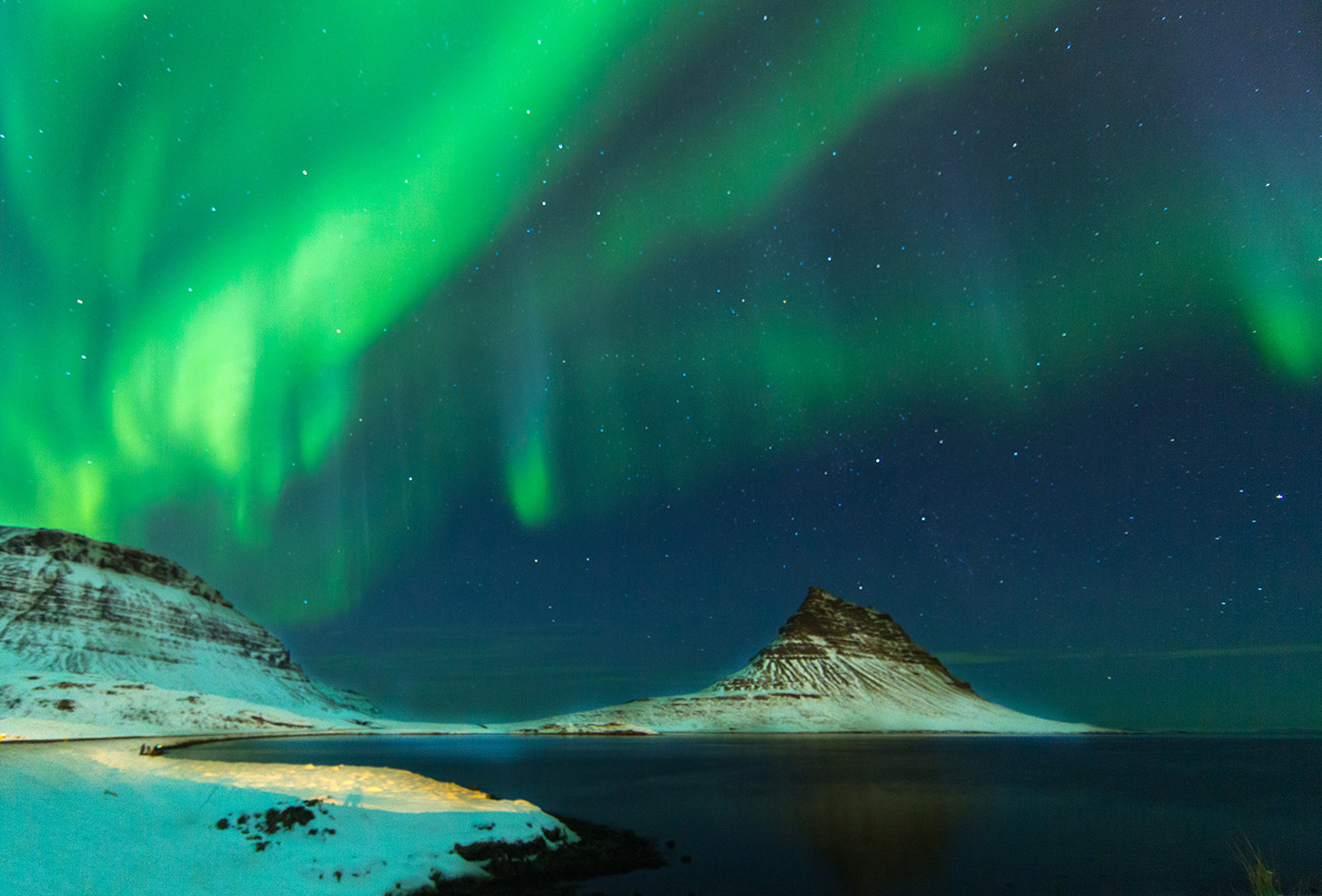
Things To Do
There is plenty to see and do in Iceland, popular winter activities include glaciers hikes, skiing, snow mobile trips, ice fishing and ice cave exploring and winter is when the caves are the most accessible. Many people visit Iceland in the run up to Christmas and to celebrate New Years. People decorate their houses with fairy lights and these are kept on throughout winter, bringing an extra light and magic to the city. There is a small festive market and ice skating rink in downtown Reykjavik too. New Year in Reykjavik is an extraordinary experience with fireworks exploring all around. There are no official firework displays but many locals purchase them and have their own displays. The proceeds from the sale of these fireworks goes towards supporting the Icelandic Search and Rescue teams.
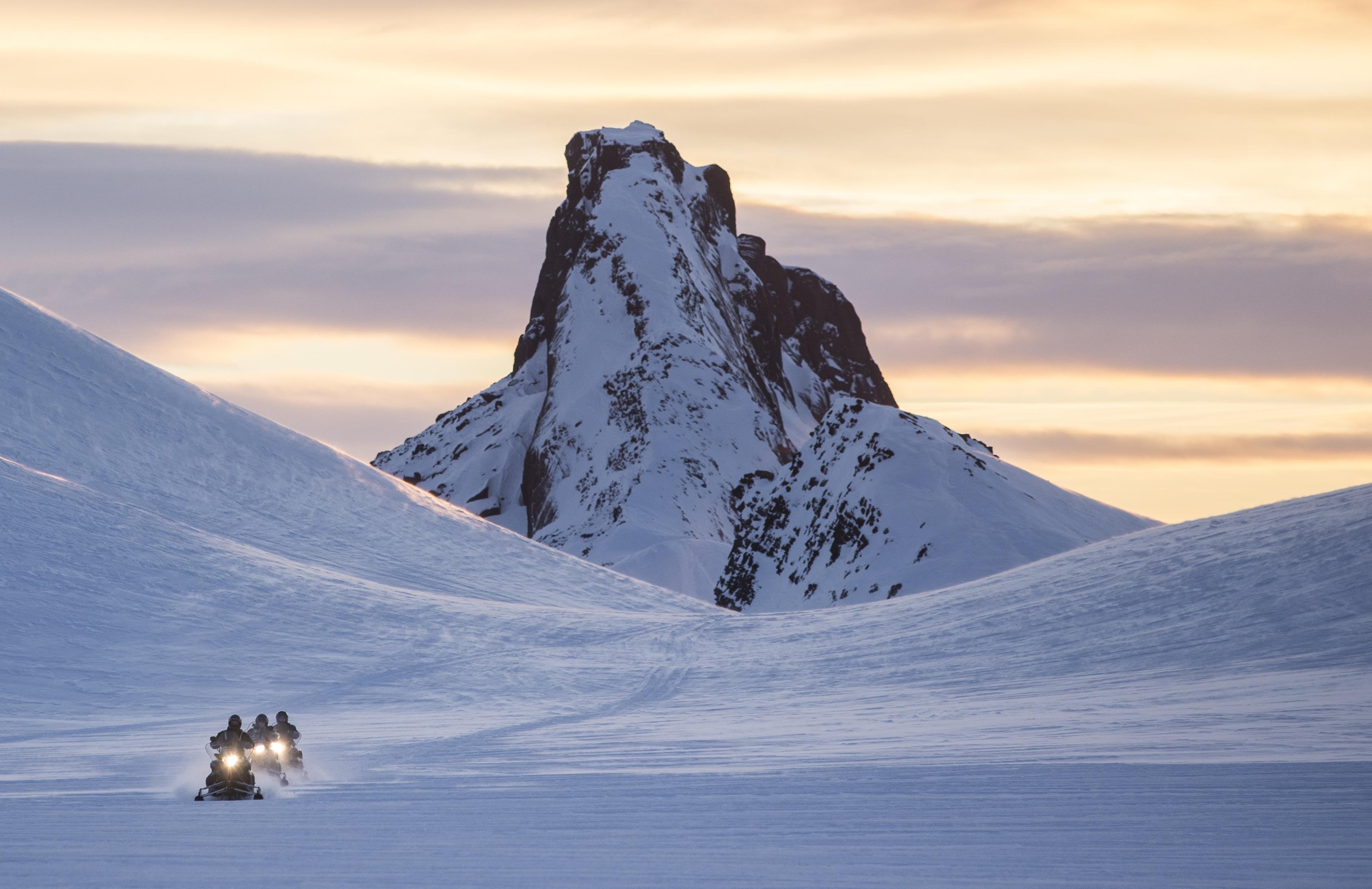
Driving in Winter
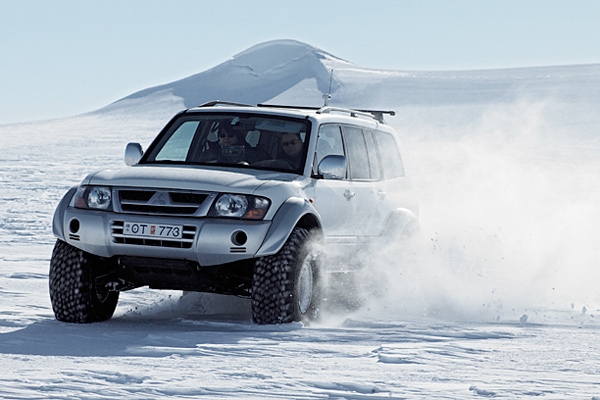
Driving in winter can be a little tricky, especially if you are not used to wintery conditions but all hire cars have winter tires to aid in driving on snow and ice. Snow storms are very common in winter and so your journey may be interrupted. The weather can effect airline travel with some flights being delays or cancelled so keep an eye on your flight prior to travel. Also sections of the ring road around Iceland can be effected with road closures throughout winter so it is best to check Vegagerdin for road updates. http://www.road.is/
The downside to visiting Iceland in the winter is that the days are shorter so your sightseeing time is a lot more limited. However the light, though sparse, is beautiful for photography as the sun is low on the horizon so it looks similar to a day-long sunset.
Wildlife
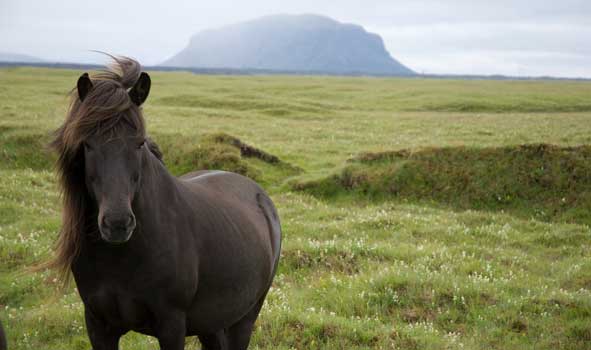
Though Iceland isn’t know as a wildlife destination, you can see birds, Icelandic horses and if you are very lucky you might also spot an arctic fox.
SUMMER – The Midnight Sun
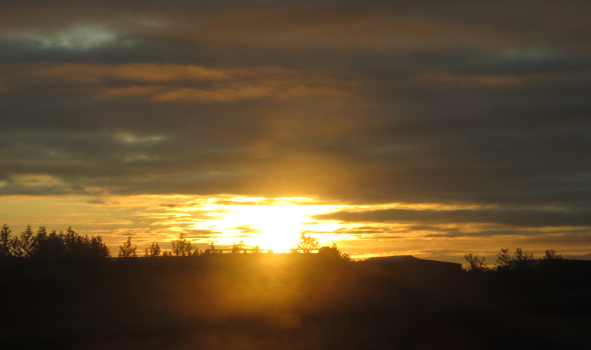
Preferred by the locals, summer provides mild weather and the famous long summer nights. The days are long with sun rising at 03:20 and setting at 23:30 so you will have more light for longer adventures. This can be fun and the endless daylight can merge days into one but it can also be difficult to sleep. Come prepared with a good eye mask and be aware of the time, try to take rests when driving. Obviously the lack of darkness means you wont see the Northern Lights so make sure you plan for the right month to visit.
Waterfalls and Hiking Trails
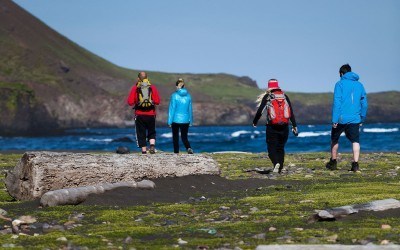
Most sites are generally more accessible so you can walk right up to, and sometimes behind, the waterfalls. There are some hiking trails which can be accessed all year round but you will have more to choose from in the summer months.
Budget Considerations
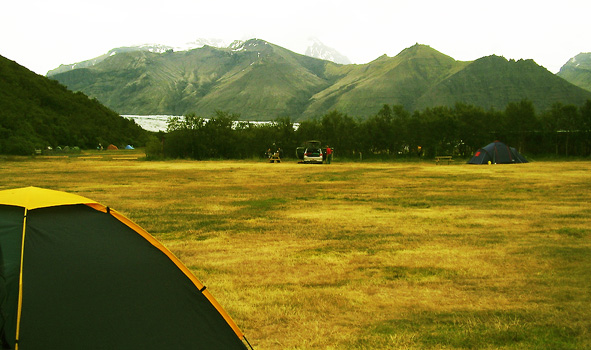
If you are travelling on a budget then summer might be more for you. Camping is easier and certainly more pleasant, and hitch hiking is much more common.
Moss and Lava
The icy blanket of snow melts away to reveal a green and lush mossy blanket over the lava fields. Road become easier to drive and are generally more accessible, with some of the highland roads being opened though it’s never advised to drive off-road. The northern part of the island is much more accessible now.
Wildlife
Though Iceland isn’t know as a wildlife destination, you can take a whale watching tour in any season, see Icelandic horses and often spot geese. Puffins are most commonly seen in summer along with other bird.