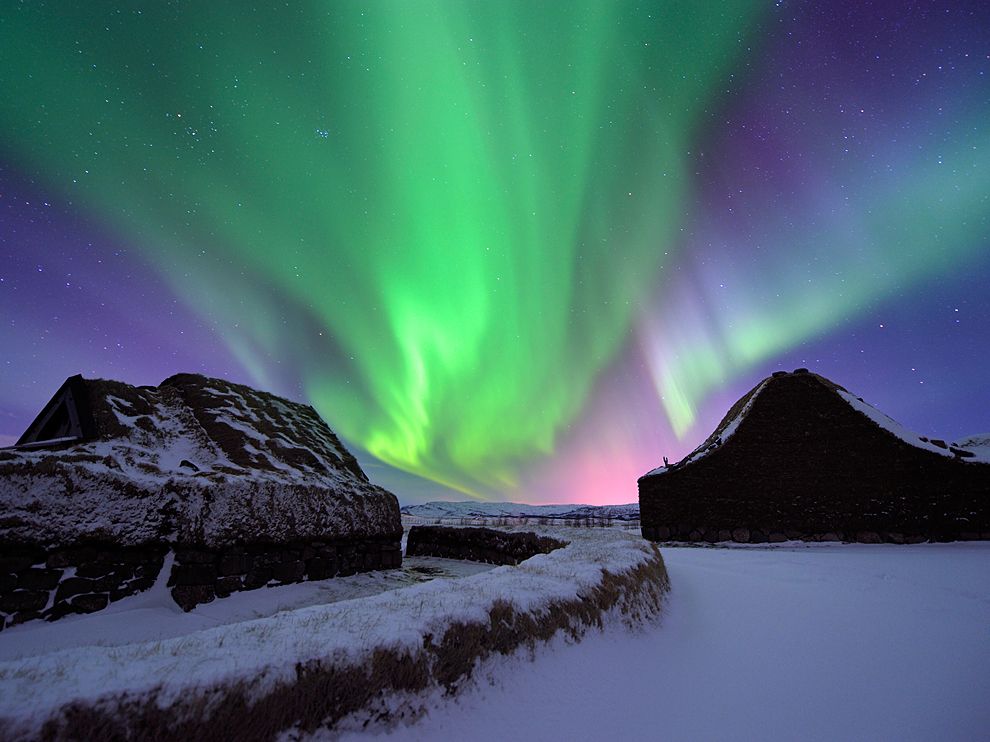
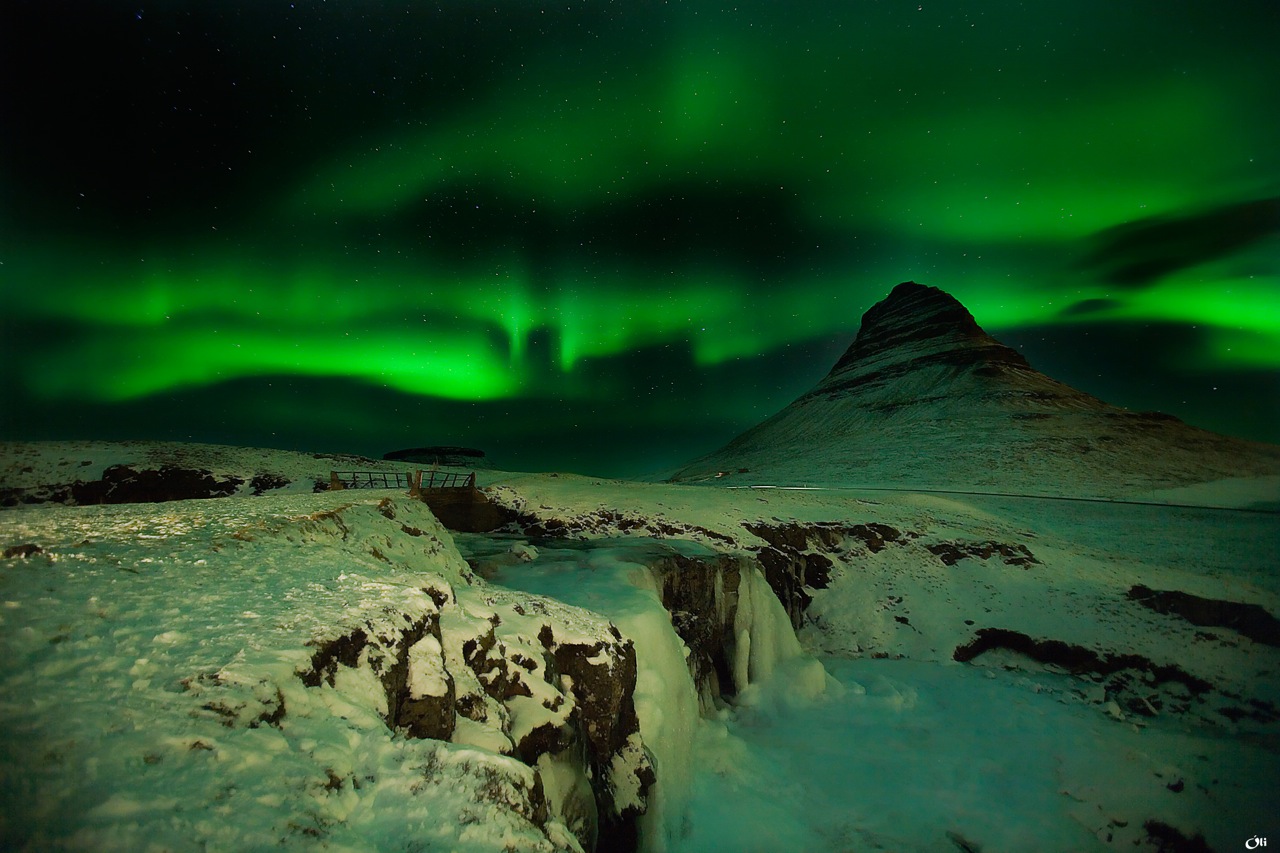
Where To See The Northern Lights
Where Can We See The Northern lights?
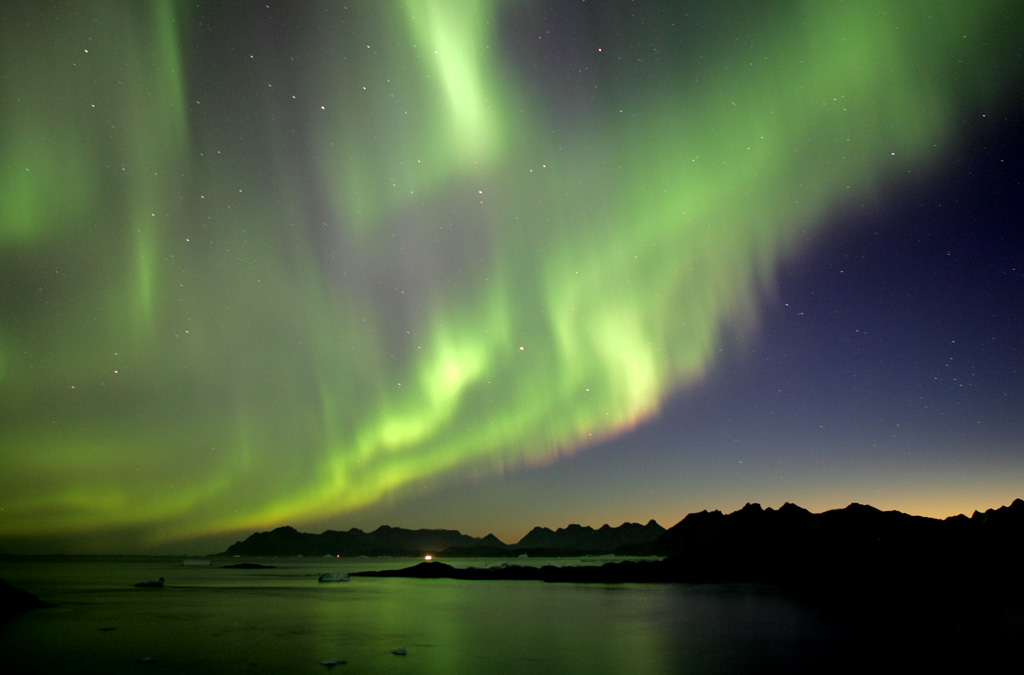
This is understandably one of the most common question people ask when they are looking for information about the Aurora. Naturally it’s important to find out where it’s possible to see the Northern Lights before you start making detailed travel plans.
When Is The Best Time To See The Aurora?
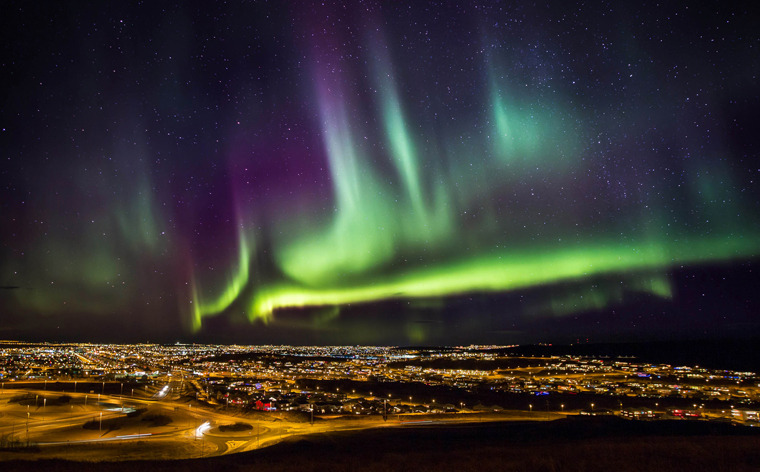
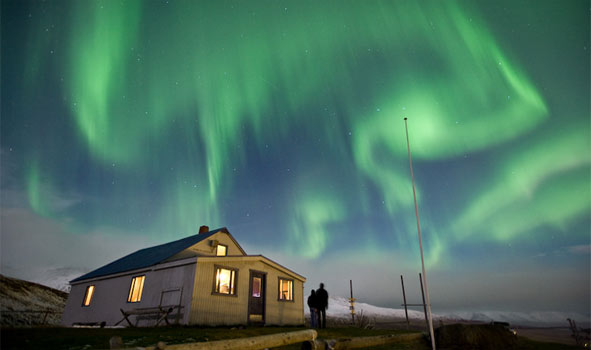
The Northern Lights season starts every year in September and is until mid-April. There isn’t one particular month better than the other, the lights are hard to predict or plan for and the weather can prove challenging. That said, if you have a clear sky and can see the stars then you might be in for a good viewing.
One of the most important factors is the length of your stay as each day increases your chances of seeing the beautiful lights. We usually advise people to stay here for at least 4 days as the lights are often active for 2 – 3 days and then low for 4 – 5 days.
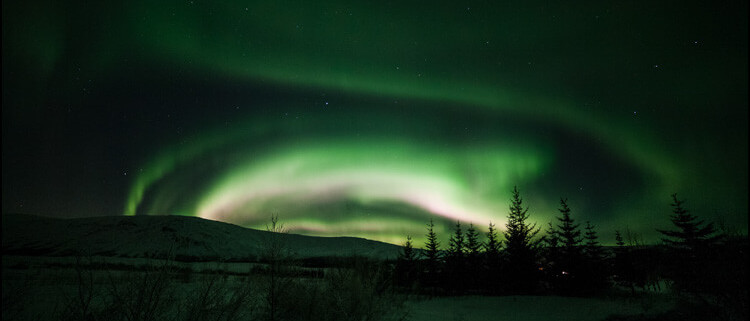
Iceland is an ideal place to hunt for the Northern Lights. In order to get the best viewing, go outside the city and away from the artificial lights. Often you don’t have to go far, just away from the lights as they often hinder you from seeing the Aurora Borealis.
Self-Drive v Guided Tour
Another common question we often get is whether we recommend a self-drive, guided tours from Reykjavík or a combination of both.
The main advantage of booking a tour is that your guide knows the forecast and has access to much more information so there’s a good chance of spotting the Northern Lights. If the forecast isn’t looking good by 6pm, they send a cancelation message and you’ll have another chance the following night. They provide the transport and know the roads so take you to the right spots.
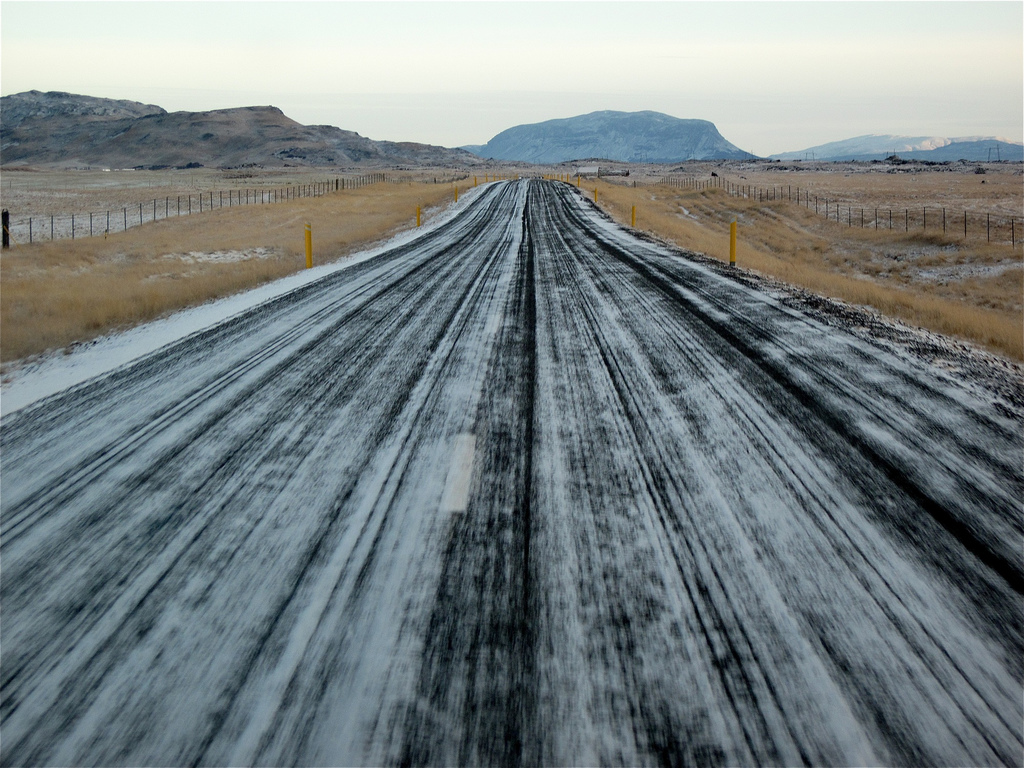
In the winter, roads conditions can be icy and not ideal, so we don’t advise self-driving unless drivers are familiar with snowy and icy roads.
Road more on Driving In Iceland.
It is common for people to opt for both, tours and self-drive. It all depends on what each person is comfortable with. We recommend that you spend a few nights out in the countryside if you stay in Iceland for more than 5 days. You don’t need to go far out the city to be in with a chance to see the dancing Aurora. If the sky is clear of clouds then head down to Grotto and wait patiently.
If you have a car, drive out of the city and away from the light pollution to areas like Grotta, Mosfellsbaer, Seltjarnarnes and Perlan, where you can easily park.
Further afield, head to Thingvellir National Park near the Golden Circle to be surrounded by nature for a vast open sky ready for the nights display. Threngsli, Seljavallalaug Pool, Vík, Eldborgahraun, Djúpavík, Látrabjarg in the Westfjords, Ásbyrgi Canyon, Hvammsfjordur, Jokulsarlon, East fjords, Hvitserkur, Siglufjordur, Reynisvatn, Öskjuhlid, Borgarholt in Kopavogur and Kirkjufell.
Understanding The Northern Lights Forecast
There are a few things you need to consider when you take a look at the forecast. Firstly, look for the white areas on the map, these show clear sky (so a low cloud coverage). Secondly, in the top right corner you will see a scale which shows numbers and indicates to a moderate, active or high performance of the Northern Lights. Finally, the weather in Iceland changes constantly so it’s important to check the forecast regularly during your stay, especially if you are doing a self-drive so see where to drive to.
When you go on a bus or superjeep tour, the drivers know where to hunt for the lights each night. Also keep in mind that even though the forecast says low, go outside and hunt for the lights if the sky is clear, they tend to show up without any notice.

How To Plan Your Trip To Iceland Around The Weather
Remember, this is Iceland
Iceland is a beautiful place to visit and many people who do take away memories that will last a lifetime, however many first time travellers to this picturesque country wonder how to plan their trip to Iceland around the weather. Here are a few tips that might help.
Located on the Arctic Circle
Iceland is close to the arctic circle so no matter what time of year you travel, you can expect cooler or just cold weather. Traveling in the late spring and early summer is probably going to give you the best opportunity to really take in the country. During the late fall and winter months, the weather can make many roads difficult or impossible to travel. Like anywhere in the world, there’s no guaranteeing what the weather’s going to be like on any given day or even hour.
So, the first thing you need to do is remember why you’ve chosen to visit Iceland instead of a tropical Island that would almost guarantee you endless days of sunshine.
Icelands weather is unpredictability. While you can watch weather forecasts and try to plan your trip based on those sunnier forecasts, forecasts are simply educated guesses as to what the weather’s going to do. No one, regardless of how many instruments they have at their disposable can accurately predict the weather. The simple truth is, while you can plan your visit to Iceland for the warmer months, you really can’t plan it around the weather. So rather than trying to plan that Icelandic adventure around the weather, why not plan to enjoy it regardless of weather.
Come prepared to take this beautiful country in, layer up and enjoy.
Pack For Any Type of Weather
When traveling to Iceland you need to remember that the day can start out warm but may turn cold and rainy within a very short period of time. It’s important to pack the right clothes for any type of weather. Here’s a checklist for items to pack
• Swimwear – despite Icelands chillier all-year-round weather, swimwear is something you are going to want to pack as most hotels have their own indoor or outdoor pools, fed by a hot spring. Relaxing in one of these pools is going to be something you aren’t going to want to miss.
• Dark Jeans and Smart Top – If you plan on visiting a club or bar while in Iceland, packing a pair of dark jeans and smart top is a must. This is standard for a casual night out.
• A ‘Nicer’ Outfit – Icelanders don’t tend to dress up but eating out in one of Icelands smarter restaurants is a good excuse to wear one of your nicer outfits. You’ll still need to wrap up warm though.
• Layers – Pack clothes that are easy to layer for your different activities and trips in Iceland. Start with a good base layer that provides warmth, a cotton or polyester blend shirt and long trousers. Then make sure you include a pull over / sweater or two, a jacket made from a waterproof material and good hiking or walking boots.
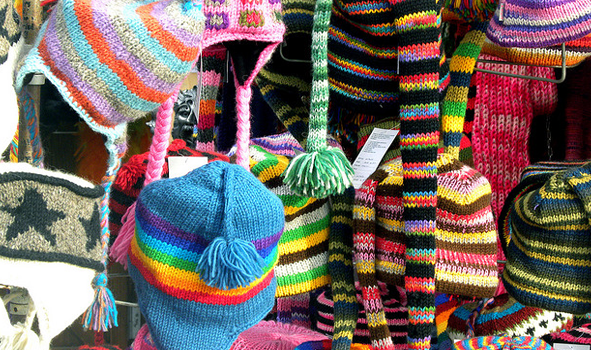
• Hat, Scarf, Gloves – In addition to packing clothes you can mix n match, and layer, you also want to include a warm hat, scarf and gloves.
Focus on the Adventure
If you pack the right clothing for all possible weather conditions then you can spend your time in Iceland focusing on your adventures rather worrying about the weather. People come to Iceland to experience nature in all its raw beauty, and to meet and get to know a little about the people who call this country home.
Traveling through Iceland, you will see some beautiful sights, can do exciting activities, try new foods and have some of the best adventures of your life. When you focus on these adventures you will discover that some of your best memories of this country will centre around those grey rainy and windy days. Hopefully you’ll be warmed by the excitement of being lowered into an empty volcano, seeing whales off the bow of a ship, or simply enjoying some good old Icelandic hospitality.
Guided Tours vs. Self-Driving
In the end its not so much a matter of planning your trip to Iceland around the weather than embracing Iceland, including the weather. Be prepared to experience an adventure of a lifetime in one of the most beautiful and sparely populated places on earth.
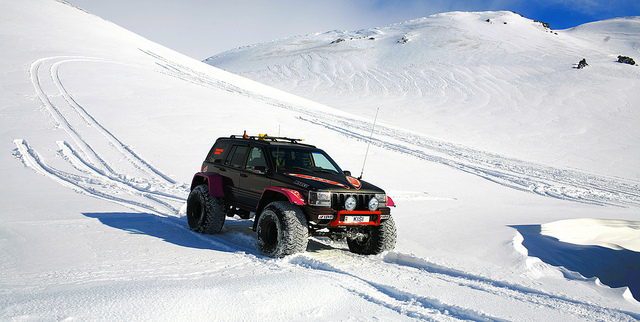
Is A 4x4 Vehicle Essential In Iceland?
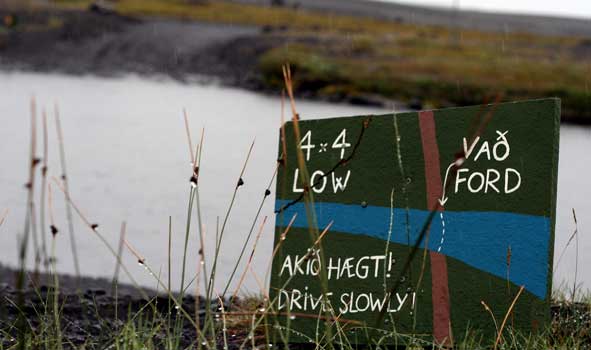
Importance of 4X4 Vehicles
Providing recommendations about touring Iceland is at times hard, as the suggestions you offer are totally determined by the person you are offering them to. The response is determined by what you are used to driving, where you plan to drive to and your experience in different weather conditions. Keep in mind that it’s usually more expensive to rent a 4WD and you don’t always need to have one, i.e if you are looking to be a little adventurous and expect your vehicle to cross river terrain, then hiring a Skoda Octavia wont cut it. However for those self driving the Golden Circle, Reykjavik and the South Coast, then something like a Skoda Octavia would be fine.
In the winter, you’ll need winter tires which are typically provided by all car hire companies on their vehicles. These will help you drive on slush, snow, ice.
Below are a number of exceptions and some factors to take into account:
Highlands in Iceland
First and foremost, many of the highlands in Iceland are only accessible by 4×4 jeeps (4WD is not essentially sufficient) and huge penalties can be imposed if you drive a standard rental vehicle inside these regions.
The same goes for off road driving, this is strictly prohibited. Normally, the roads on the highlands have F road marks. Please note that Kjolur is included even though it’s not an F road. If you intend to visit those regions or on roads that are F marked, we recommend going with a local expert.
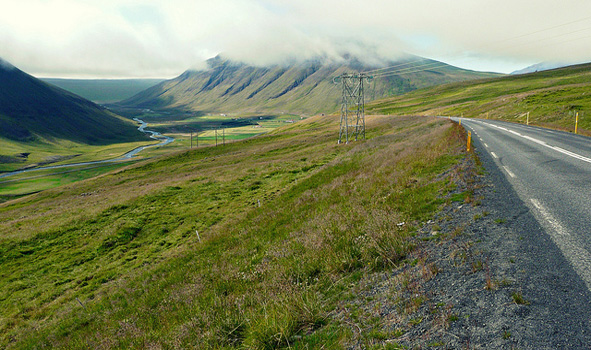
Summer v Winter Driving
During summer you can drive the ring road around Iceland without a 4×4. During winter, due to the weather and snow storms, a 4×4 can prove very useful especially if you are not confident in driving on snowy roads.
This mainly applies to the Westfjords, the North as well as East. However, many of the roads near Reykjavik are sustained well (for instance, the South Coast, Golden Circle and Snaefellsnes Peninsula) and only close when there is excessively bad weather. When it is this bad, you should avoid driving no matter what type of vehicle you have.
The climate in Iceland is unpredictable so this will play a part in your planning and driving. In winter, you might expect snow but not see any or snow might even fall in April. It’s not possible to predict the weather so please be prepared for this.
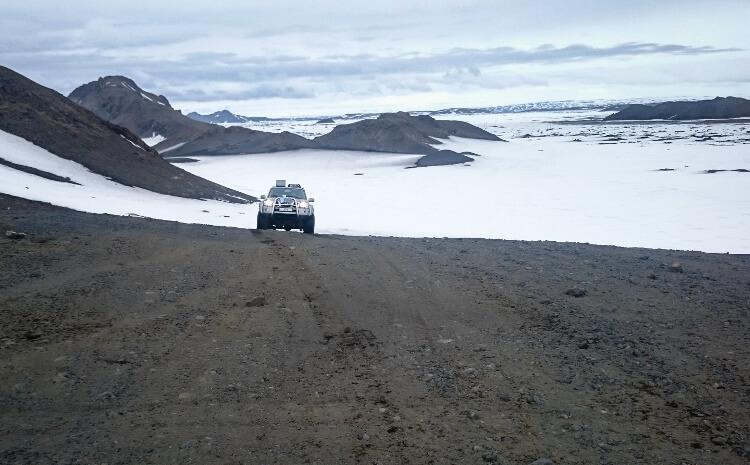
Here’s some point to take into account:
- 4WD cars are slightly larger and offer a little more comfort
- The weather here can totally differ from what you are accustomed to
- It is vital to rent a car in good condition with great tires
- A GPS system is also useful
- Check the weather forecast and road conditions before you start your journey
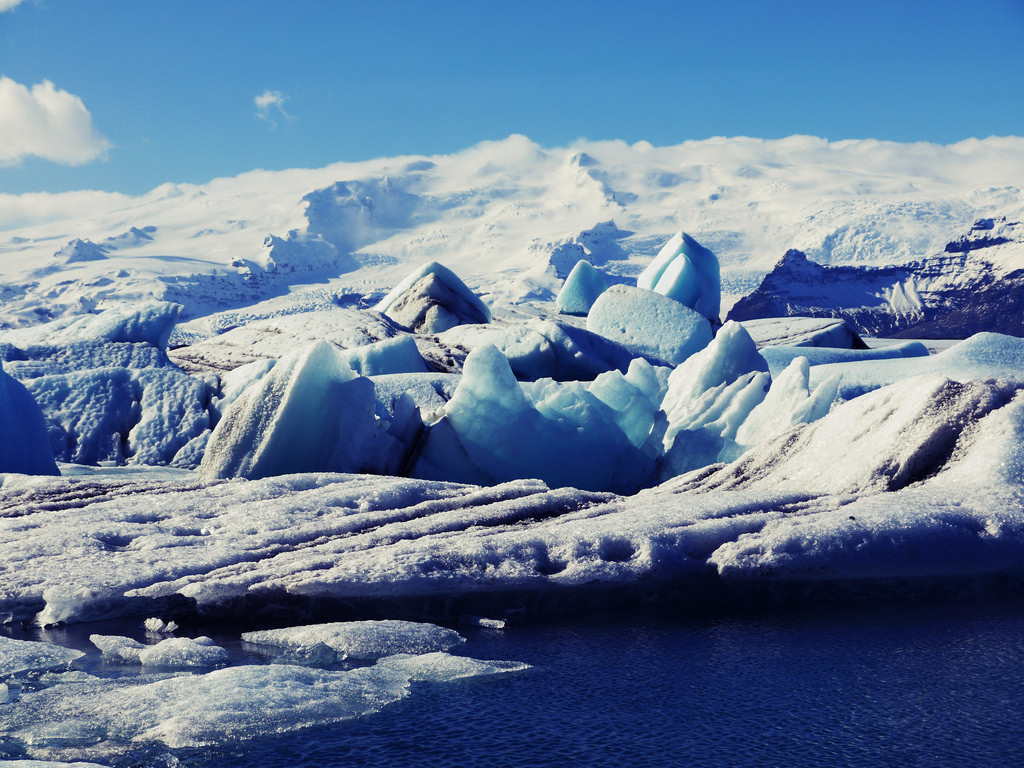
Most Picturesque Glaciers in Iceland
Iceland is widely known as ‘The Land of Fire and Ice,’ because both volcanoes and glaciers are dotted around this region. Glaciers are huge, large and persistent ice blocks that only form on a piece of land where snow stays in one place long enough to turn into ice. This snow takes not years but centuries to transform into thick ice masses. Glaciers are unique because these can shift places by crawling forward, which happens due to their sheer mass. This characteristic is akin to slow rivers. Glaciers although are persistent but once these start flowing, their deformation also starts because flow creates cracks, crevasses and sometimes even caves. Many glaciers and volcanoes have formed atop active volcanoes in Iceland and after eruption of these volcanoes the ice above the glacier quickly melts. This creates destructive rivers known as “jökulhlaup”.
Vatnajökull glacier
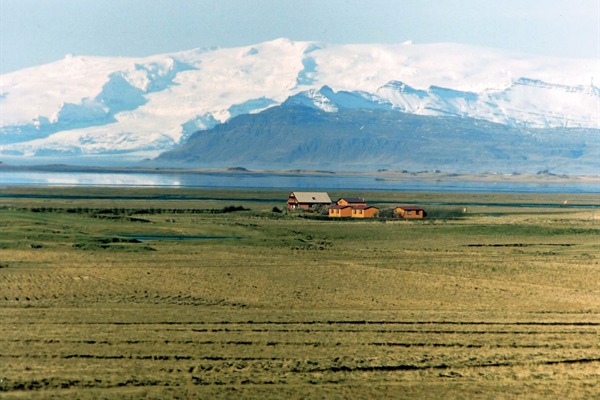
This is the largest glacier not only in Iceland but in entire Europe. The picture is from one of the icecaves in Vatnajökull glacier. It is located in the south-east area of Iceland. It is so huge that many glacial tongues have formed on all of its sides, just like almost all of the large glaciers found in Iceland. Each tongue has separate name as well and it is not possible to list all names here because these are so many. Most notable one is Öræfajökull glacier, which is a famous hiking point.
Vatnajökull is also popular because Iceland’s highest peak Hvannadalshnjúkur and most active volcano system Grímsvötn are located here.
Svínafellsjökull glacier in Vatnajökull National Park
Located here is the gorgeous glacial lake Jökulsárlón, which can be found on the south-eastern end of the glacier. The entire glacier is covered by Vatnajökull National Park as it happens to be the largest national park in Europe with its area of 12,000Km2.
Langjökull glacier
This is ranked as the second largest glacier in the country. Langjökull means ‘Long Glacier,’ and the name has been derived from its shape. This glacier is located in the western side of the Icelandic highlands. The glacier is easily visible from Geysir. This glacier serves as a popular snowmobiling spot along with The Golden Circle. Two active volcanoes are also located in Langjökull glacier.
Hofsjökull glacier
Ranked as the third biggest glacier in this region, Hofsjökull glacier is located in the Mid-Highlands. It happens to be the largest active volcano in the country and serves as a shield with caldera. Hofsjökull glacier is the primary source of numerous rivers in Iceland including the country’s longest river Þjórsá. The south and north of the country are connected by the Kjölur road that runs between Hofsjökull and Langjökull.
Mýrdalsjökull glacier and Eyjafjallajökull glacier
This is Iceland’s fourth largest glacier and is located right next to the country’s sixth largest glacier Eyjafjallajökull. Both these glaciers are located in Iceland’s south side. It is true that Mýrdalsjökull bigger than Eyjafjallajökull and contains Iceland’s one of the largest and most active volcano, Katla. But, Eyjafjallajökull has become popular recently because of its eruption in a very small volcano back in 2010. There is a popular hiking spot that is located between these two volcanoes known as Fimmvörðuháls. People can easily get on top of the recently erupted volcano, where now a warm, newly formed mountain can be found.
Drangajökull glacier
Drangajokull glacier can be found in the Westfjords. It is Iceland’s fifth largest glacier and the only one that hasn’t decreased in size over the years. It also is the only glacier this is located below 1000m completely.
Snæfellsjökull glacier
Snaefellsjokull glacier is the 13th largest glacier in Iceland and unfortunately it is decreasing in size rapidly too. Nonetheless, it is still counted among the most famous glaciers in Iceland. This glacier is located at the tip of Snæfellsnes peninsula and can be viewed like a crown alongside the Faxaflói bay on a clear day from Reykjavík. This glacier is termed as the jewel of one of the three national parks in Iceland, the Snæfellsjökull National Park. Similar to various other glaciers in Iceland, Snæfellsjökull also is a cone shaped volcano called stratovolcano. It became eternally popular when it featured in Jules Verne’s Journey to the Centre of the Earth as the earth’s central entry point. For the very first time in recorded history the summit became ice free, which happened in August 2012.
Iceland is widely known as ‘The Land of Fire and Ice,’ because both volcanoes and glaciers are dotted around this region. Glaciers are huge, large and persistent ice blocks that only form on a piece of land where snow stays in one place long enough to turn into ice. This snow takes not years but centuries to transform into thick ice masses. Glaciers are unique because these can shift places by crawling forward, which happens due to their sheer mass. This characteristic is akin to slow rivers. Glaciers although are persistent but once these start flowing, their deformation also starts because flow creates cracks, crevasses and sometimes even caves. Many glaciers and volcanoes have formed atop active volcanoes in Iceland and after eruption of these volcanoes the ice above the glacier quickly melts. This creates destructive rivers known as “jökulhlaup”.
Vatnajökull glacier
This is the largest glacier not only in Iceland but in entire Europe. The picture is from one of the icecaves in Vatnajökull glacier. It is located in the south-east area of Iceland. It is so huge that many glacial tongues have formed on all of its sides, just like almost all of the large glaciers found in Iceland. Each tongue has separate name as well and it is not possible to list all names here because these are so many. Most notable one is Öræfajökull glacier, which is a famous hiking point.
Vatnajökull is also popular because Iceland’s highest peak Hvannadalshnjúkur and most active volcano system Grímsvötn are located here.
Svínafellsjökull glacier in Vatnajökull National Park
Located here is the gorgeous glacial lake Jökulsárlón, which can be found on the south-eastern end of the glacier. The entire glacier is covered by Vatnajökull National Park as it happens to be the largest national park in Europe with its area of 12,000Km2.
Langjökull glacier
This is ranked as the second largest glacier in the country. Langjökull means ‘Long Glacier,’ and the name has been derived from its shape. This glacier is located in the western side of the Icelandic highlands. The glacier is easily visible from Geysir. This glacier serves as a popular snowmobiling spot along with The Golden Circle. Two active volcanoes are also located in Langjökull glacier.
Hofsjökull glacier
Ranked as the third biggest glacier in this region, Hofsjökull glacier is located in the Mid-Highlands. It happens to be the largest active volcano in the country and serves as a shield with caldera. Hofsjökull glacier is the primary source of numerous rivers in Iceland including the country’s longest river Þjórsá. The south and north of the country are connected by the Kjölur road that runs between Hofsjökull and Langjökull.
Mýrdalsjökull glacier and Eyjafjallajökull glacier
This is Iceland’s fourth largest glacier and is located right next to the country’s sixth largest glacier Eyjafjallajökull. Both these glaciers are located in Iceland’s south side. It is true that Mýrdalsjökull bigger than Eyjafjallajökull and contains Iceland’s one of the largest and most active volcano, Katla. But, Eyjafjallajökull has become popular recently because of its eruption in a very small volcano back in 2010. There is a popular hiking spot that is located between these two volcanoes known as Fimmvörðuháls. People can easily get on top of the recently erupted volcano, where now a warm, newly formed mountain can be found.
Drangajökull glacier
Drangajokull glacier can be found in the Westfjords. It is Iceland’s fifth largest glacier and the only one that hasn’t decreased in size over the years. It also is the only glacier this is located below 1000m completely.
Snæfellsjökull glacier
Snaefellsjokull glacier is the 13th largest glacier in Iceland and unfortunately it is decreasing in size rapidly too. Nonetheless, it is still counted among the most famous glaciers in Iceland. This glacier is located at the tip of Snæfellsnes peninsula and can be viewed like a crown alongside the Faxaflói bay on a clear day from Reykjavík. This glacier is termed as the jewel of one of the three national parks in Iceland, the Snæfellsjökull National Park. Similar to various other glaciers in Iceland, Snæfellsjökull also is a cone shaped volcano called stratovolcano. It became eternally popular when it featured in Jules Verne’s Journey to the Centre of the Earth as the earth’s central entry point. For the very first time in recorded history the summit became ice free, which happened in August 2012.
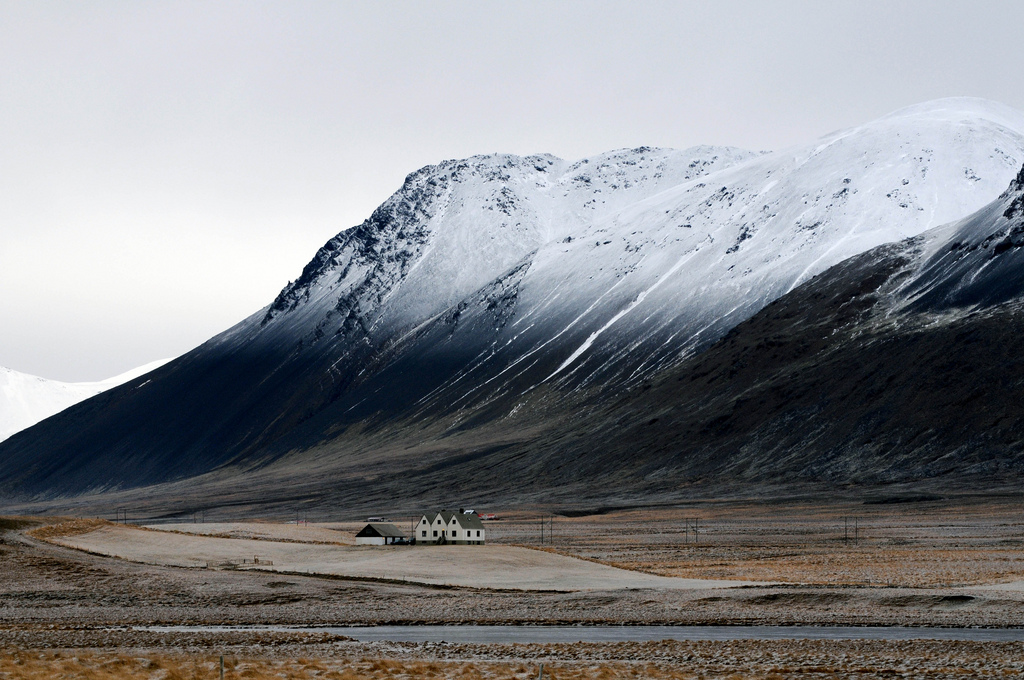
Weird and Fun Facts About Iceland
Weird and Fun Facts About Iceland and the Icelandic People
Weirdness is something that everyone possesses yet no one can explain why these behaviors or situations may occur. Iceland is no different! Below you will find our list of the most weird and fun facts about our beautiful country and the wonderful people who live here!
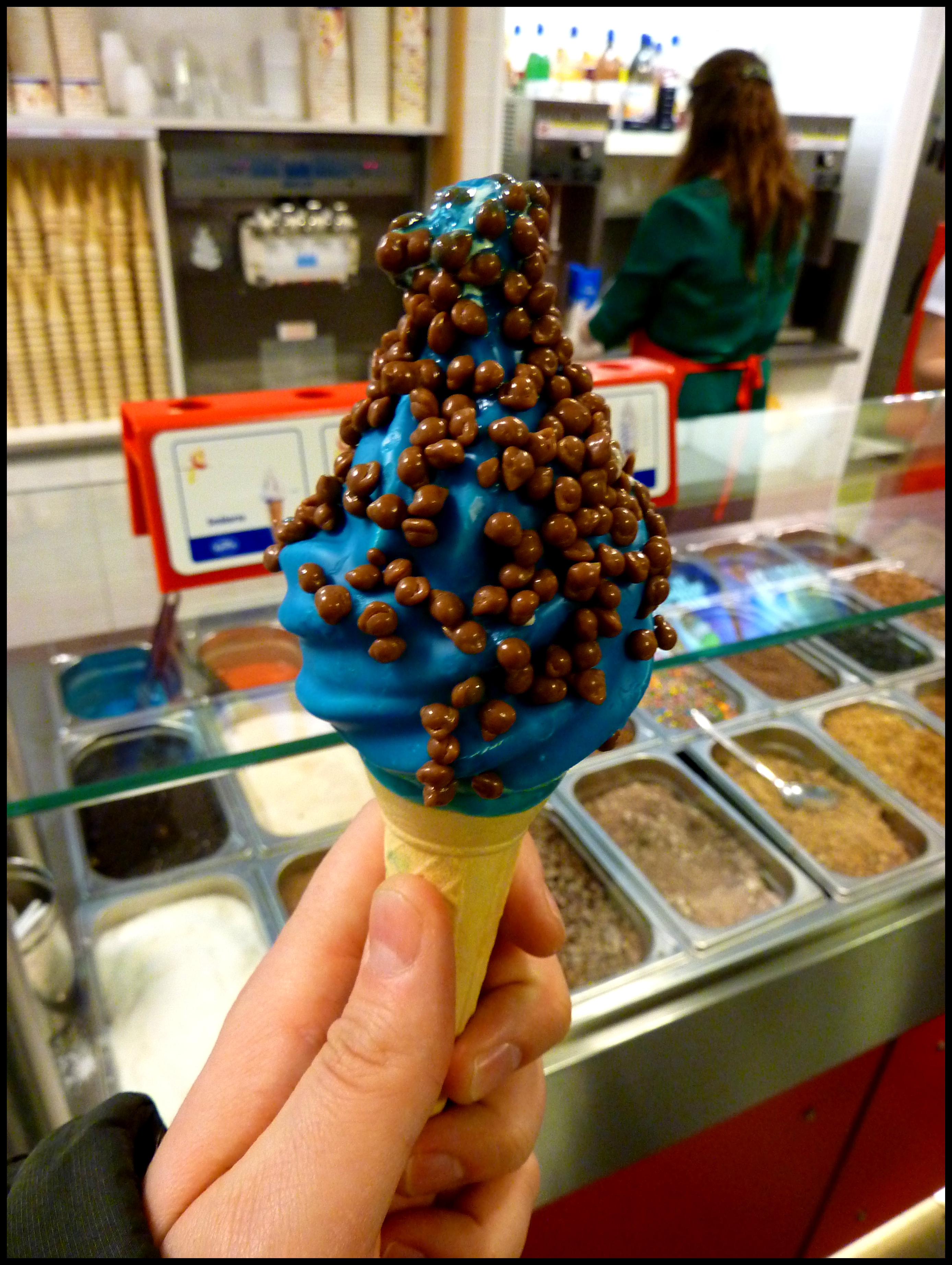
1. Ice Cream All Year
It can be below freezing here in Iceland, but you are sure to find a line at the door of the local ice cream shop! Our favorites here in Reykjavik include:
- Isbudin Valdis, located in the new hip and trendy area, Grandi
- Joylato, located by the famous Hallgrimskirkja Church
- Brynja Is, located slightly outside of the city in Kopavogur.
2. Stay Awake for 24 Hours
In the summertime (June until August) day and night merge into one and it simply does not get dark! This is due to Iceland’s location, meaning when the Earth’s axis tilts- we get longer hours of sun. The Icelandic people use these nights for midnight-sun activities such as late “night” disc-golfing, barbecue’s, hiking and golfing. They even have a International Arctic Open Golf tournament in June.
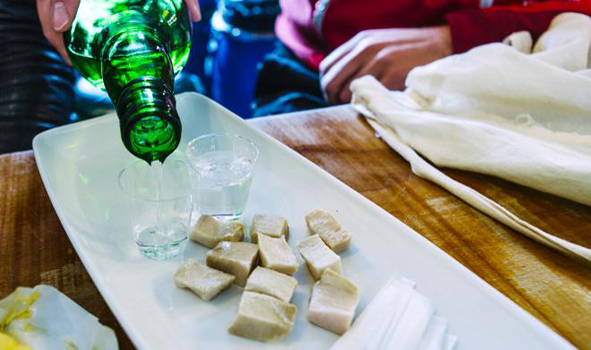
3. You Can Dine on Unique Local Delicacies
Every country has their own national food or dish, and Iceland is no different. Ask any Icelandic person what the traditional dishes are you will learn of fermented shark, whole sheep head, and sour gelatinized ram’s…testicles. Please remember, this does not mean that the entire population will enjoy consuming these, as you will learn from Icelanders faces when asked about this.
4. Mosquitoes Do Not Exist in Iceland
How often have you woken up in the middle of the night because of mosquitoes? And for some reason they only get bigger as you go from one country to the next. In Iceland mosquitoes do not exist mostly because it is too cold for them to thrive. However, in recent years, partly due to global warming, some bugs have been thriving for a short span in the summer months in some locations in Iceland
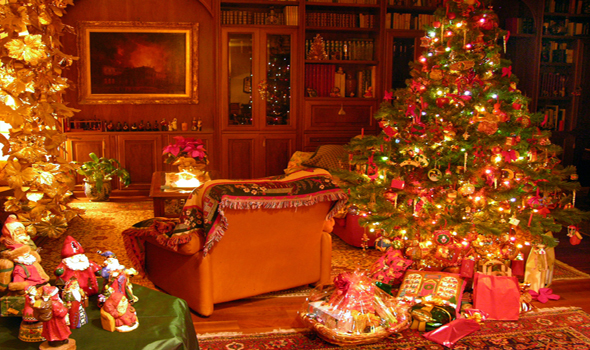
5. Iceland Has a Total of 13 Santas
Iceland takes the idea of Santa Claus one step further: 13 Yule Lads and an evil Christmas cat!
- Stekkjastaur, stiff legs – has long, stiff legs and steals farmers milk
- Giljagur, gully gawk – hides in the town gullies and steals milk from cowsheds
- Stufur, stubby – steals the pots and pans and eats leftovers
- Thorusleikir, spoon licker – steals unwashed spoons and licks them clean
- Pottaskefill, pot scraper – steals unwashed pots and licks them clean
- Askasleikir, bowl licker – steals unattended bowls and licks them clean
- Hurdaskellir, door slammer – slams doors and keeps people awake at night
- Skyrgamur, skyr gobbler – steals skyr
- Bjugnakraekir, sausage swiper – hides in the ceiling and steals sausages that are hung for smoking
- Gluggagaegir, window peeper – peeks through the window
- Gattathefur, door sniffer – sniffs out where people are baking and then steals cakes and cookies
- Ketkrokur, meat hook – steals meat with a long hook
- Kertasnikir, candle beggar – steals candles from children
6. Names in Iceland are Different and Unique
You will come to notice that in Iceland people are called almost exclusively by their first name, since surnames do not exist in the country. Girls are the daughter of their father (for instance Anna Jonsdottir – Anna, daugther of Jon), and boys are the sons of their fathers (for instance, Gunnar Gudmundsson – Gunnar, son of Gudmundur). Women keep their last names when they get married and when looking for someone in the phonebook, you always look under the first name. It is also interesting to know that first names must by pre-approved by the government and any new name must be submitted for consideration.
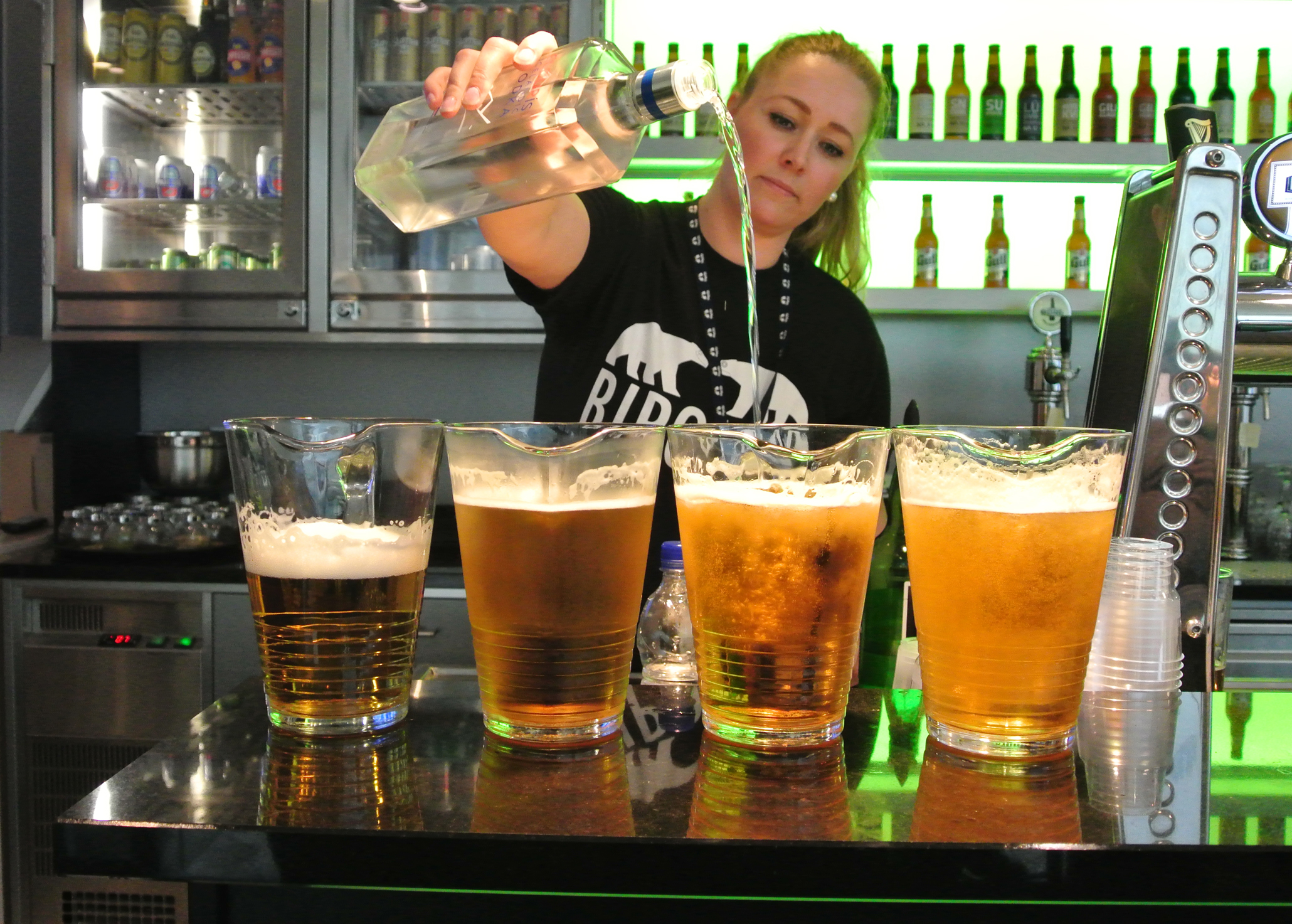
7. Beer Was Illegal Until 1989
Beer prohibition in Iceland lasted from 1915 until 1.March, 1989! For political reasons, alcohol was generally frowned upon, but beer especially since it reminded Icelanders of the Danes, who owned Iceland until 1944. Nowadays, this day is referred to as Bjordagur (Beer Day) and it is tough to stop the locals from joining in on the celebration.
8. For the Love of Potatoes
When most think of potatoes, the country Ireland may come to mind and sad memories of the potato famine, but because of the chilled weather and short summers, it´s not really that much you can cultivate in Iceland, unless in greenhouses. Potatoes have though been cultivated in Iceland for centuries and people often have a small potato patch in their personal garden. Potatoes can be found on everyone’s plates both during the holidays and normal evenings.
9. Harnassing the Geothermal Water for a Good Soak
Icelanders love their swimming pools and hot tubs. In the evenings after work and on the weekends, you can find Icelanders gathering in the geothermal hot tubs to talk about the weather, politics and whatever comes to mind. It’s normal for strangers to join the conversation and chat for hours. We love our pools so much we have strict bathing rules for before entering. Please follow these rules! Since swimming is such an important aspect of everyday life, children begin swim classes from the age of six to the age of 16.
10. Iceland is the most sparsely populated country in Europe
While the rest of the world is lamenting over overpopulation, Iceland just breezes by fairly on its own. With only 300,00 inhabitants its considered the least populated country, however being the least populated has its advantages. For one thing space is not an issue, and because there are few people the beauty of nature is left untouched. So if you want to go for an extreme adventure without crowds of people suffocating you Iceland is the place to go.
The Black Beach in Vik
The Black Sand Beach in Vik
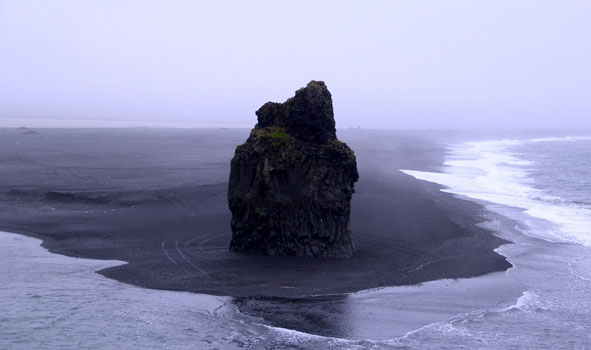
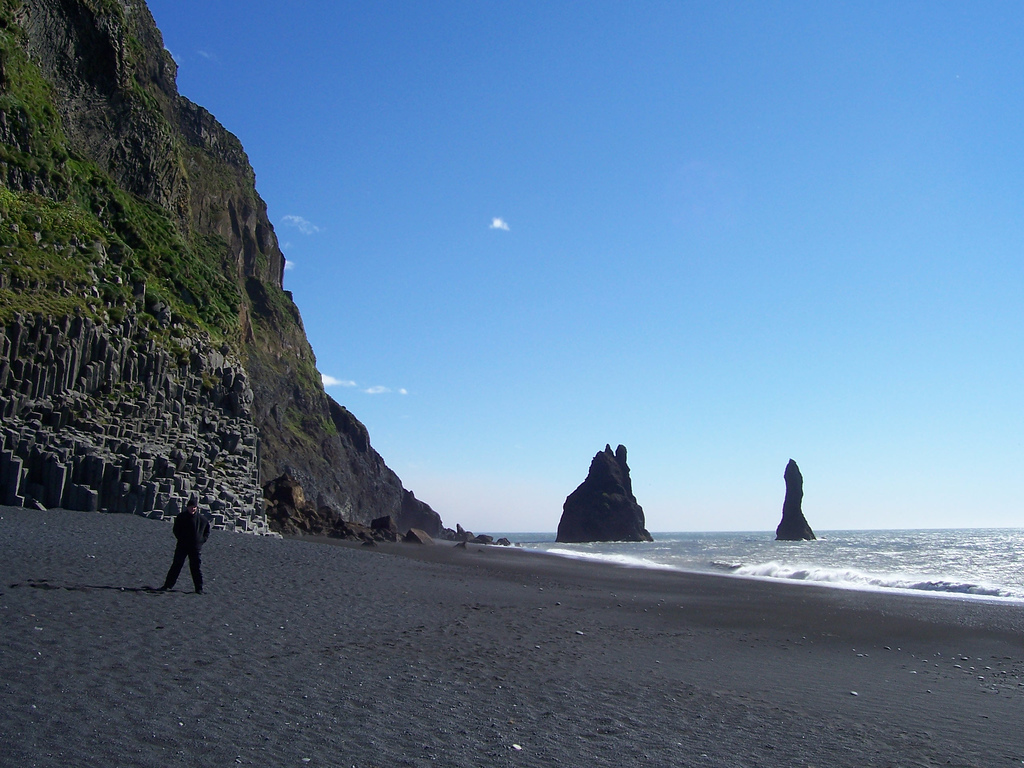
You might have heard a thing or two about the black sand beach in Vik and most likely you have seen lovely photos of the basalt rock formation that stick out of the sea and are called Reynisdrangar. But did you know that Vik is also a black beach and is the wettest place in Iceland? The black beach in Vik also allures people by its hidden caves and folklore stories.
Along the south coast of Iceland, with only about 300 residents, Vik í Myrdal still holds the title to be the biggest village in the southernmost part of Iceland. Just about 180 km away from Reykjavik, you will get to feel the black sand and the warm welcome of the locals.
A fair warning to all tourists is that walking for the next 70 km will not take you anywhere but close to endless shores. Hvolsvollur is about 80 km going north from Vik so the only service center you can most likely find are the ones in Vik.
Black Beach in Vik
The black sand beach in Vik is called by its local Reynishverfi and since it is famous because of it’s black sand and basalt sea stack, tour guides are more willing to take you 10 km just before you reach Vík. That is where the black sand beach with 68 m high boulders can be found.
You can also locate Reynisdragar on the western side of the 340m high Reynisfjall. Vik proper is located on its eastern side. Here is a map to where you can locate the black beach in Vik (“A” – Þjóðvegur, “B”-Reynishverfisvegur, “C” – Vik)
The steepest road you could ever encounter in Iceland is on a loran station, the highest part of the mountain ruins. This was built during the World War II serving as their watchtower or something. The cliffs are the solace of the ever adorable Puffins. Being in top of the mountain will obviously view the whole of Vik as well as Myrdalsjokull, the Dyrholaey and the amazing Reynisdrangar. It would definitely be an spectacular view from up there.
The rock formations are formed at the bottom of the cliff, from the mountain standing proudly in front of Reynisdrangar. The black beach is a long beach with stones and rocks everywhere after the shore.
The folklore is made upon these columnar creations. The legend says that these are the remains of two night trolls who were petrified as they were trying to pull three-masted ship out of the sea. The dawn caught them and had them turned into stone. Well of course, we all know now that these are created by lava flows that cooled down. It created hexagonal forms due to the contraction of the lava as it slowly flows and cools down. In overall view they have formed more like of a staircase. Climbing on these rock formations is easier than it looks as long as you watch your step on each of the blocks. When you reach the top, which is where you can view on different directions the places that are also rewarding to continue your expedition with.
The caves
If you don’t really dig like climbing up the staircase-like formations and a bit afraid of heights, then you can go south western of the Reynis Mountain foot. But ofcourse visit the caves only during low tides as the waves could be quite nasty on high tides. They would be as big as you will expect them to be and it would be dangerous to continue to the caves. And yet another Folklore is known to have surfaced in this cave. It was said that there was once a monster that used to reside in one of those caves but due to unfortunate circumstances for that certain monster, landslides that occurred about 100 years ago killed it and was never ever known to have seen again. The wonders in this place always inherits several folklore, whether they are true or not, respect still would be your best key of survival in such places. So help the locals preserve the natural wonders you have seen and please refrain from doing any vandalism or loitering at the Black Beach in Vik.
The Black Sand Beach in Vik
You might have heard a thing or two about the black sand beach in Vik and most likely you have seen lovely photos of the basalt rock formation that stick out of the sea and are called Reynisdrangar. But did you know that Vik is also a black beach and is the wettest place in Iceland? The black beach in Vik also allures people by its hidden caves and folklore stories.
Along the south coast of Iceland, with only about 300 residents, Vik í Myrdal still holds the title to be the biggest village in the southernmost part of Iceland. Just about 180 km away from Reykjavik, you will get to feel the black sand and the warm welcome of the locals.
A fair warning to all tourists is that walking for the next 70 km will not take you anywhere but close to endless shores. Hvolsvollur is about 80 km going north from Vik so the only service center you can most likely find are the ones in Vik.
Black Beach in Vik
The black sand beach in Vik is called by its local Reynishverfi and since it is famous because of it’s black sand and basalt sea stack, tour guides are more willing to take you 10 km just before you reach Vík. That is where the black sand beach with 68 m high boulders can be found.
You can also locate Reynisdragar on the western side of the 340m high Reynisfjall. Vik proper is located on its eastern side. Here is a map to where you can locate the black beach in Vik (“A” – Þjóðvegur, “B”-Reynishverfisvegur, “C” – Vik)The steepest road you could ever encounter in Iceland is on a loran station, the highest part of the mountain ruins. This was built during the World War II serving as their watchtower or something. The cliffs are the solace of the ever adorable Puffins. Being in top of the mountain will obviously view the whole of Vik as well as Myrdalsjokull, the Dyrholaey and the amazing Reynisdrangar. It would definitely be an spectacular view from up there.
The rock formations are formed at the bottom of the cliff, from the mountain standing proudly in front of Reynisdrangar. The black beach is a long beach with stones and rocks everywhere after the shore.
The folklore is made upon these columnar creations. The legend says that these are the remains of two night trolls who were petrified as they were trying to pull three-masted ship out of the sea. The dawn caught them and had them turned into stone. Well of course, we all know now that these are created by lava flows that cooled down. It created hexagonal forms due to the contraction of the lava as it slowly flows and cools down. In overall view they have formed more like of a staircase. Climbing on these rock formations is easier than it looks as long as you watch your step on each of the blocks. When you reach the top, which is where you can view on different directions the places that are also rewarding to continue your expedition with.
The caves
If you don’t really dig like climbing up the staircase-like formations and a bit afraid of heights, then you can go south western of the Reynis Mountain foot. But ofcourse visit the caves only during low tides as the waves could be quite nasty on high tides. They would be as big as you will expect them to be and it would be dangerous to continue to the caves. And yet another Folklore is known to have surfaced in this cave. It was said that there was once a monster that used to reside in one of those caves but due to unfortunate circumstances for that certain monster, landslides that occurred about 100 years ago killed it and was never ever known to have seen again. The wonders in this place always inherits several folklore, whether they are true or not, respect still would be your best key of survival in such places. So help the locals preserve the natural wonders you have seen and please refrain from doing any vandalism or loitering at the Black Beach in Vik.
Top 44 Fun Things To Do In Iceland
Top 44 Fun Things to do in Iceland
When planning a visit to Iceland, you may wonder what there is to do here so today we are sharing 44 of our top suggestions. There’s something for everyone from family to solo, traditional to modern. We hope you have a wonderful trip.
1. Go for a Swim in the North Atlantic Ocean.
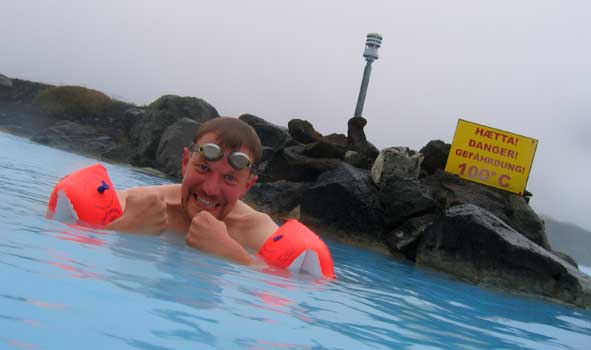
It might seem like a big no no but it’s surprisingly getting more popular for visitors to take a dive on the cold North Atlantic Sea. Icelanders have done this for hundred of years and still do. Over the summertime, the temperature of the Sea is about 12 – 15°C but in winter it can go below zero.
Swimming in the sea isn’t just invigorating and adventurous, some say it strengthens the immune system. One of the main spots to go for a swim is Nautholsvik geothermal beach. They have great facilities here and after a quick dip in the North Atlantic Ocean you can reward yourself by relaxing in the hot tub (check opening hours).
2. Enjoy New Years in Iceland.
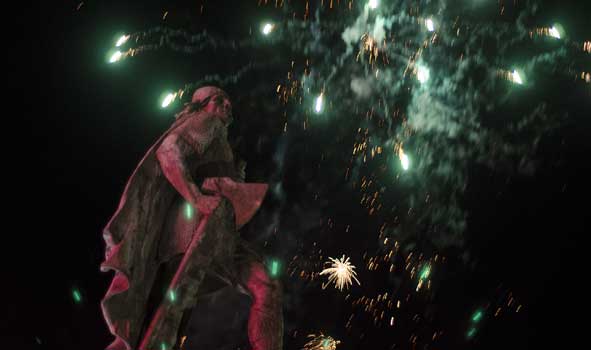
If you are looking for a true party over New Years, Iceland is the place to be. Icelanders simply love fireworks around New Years and there aren’t many places in the world that allow fireworks as freely as Iceland does.
Every New Year, Icelanders shoot around 1300 tons of fireworks into the sky to welcome in the New Year. Most of the profit from firework sales goes to the national rescue squad and plays a big part in why Icelanders spend so much money on buying fireworks.
If you are going to get in on the fun then wear safety glasses, avoid wearing flammable clothing and possibly a set of earplugs. The best views across the city are from Perlan and Hallgrimskirkja.
3. Stay Awake for 24 Hours.
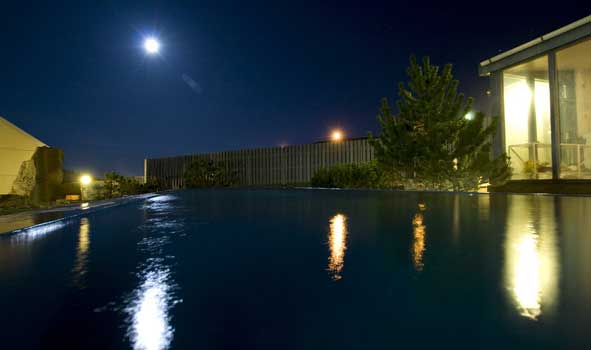
In summer, day and night merge into one and it literally doesn’t get dark. The Icelandic summer nights are truly amazing and give you endless opportunities to explore and enjoy being outdoors. All sorts of activities are popular over summer like hiking, hot pools, golfing and more.
4. Walk Between Continents.
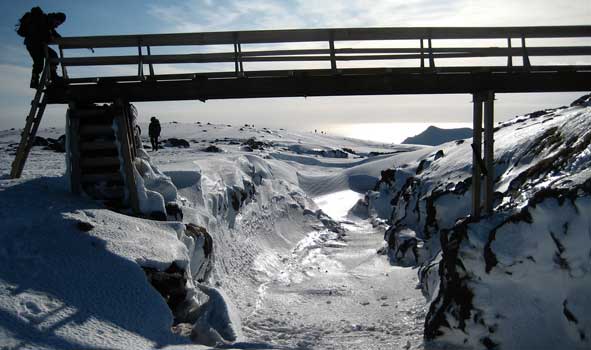
The earths crust is composed of 6 large, and several smaller, tectonic plates that drift and cause sea-floor spreading. Two of those plates meet under Iceland; the Eurasian plate and the North American plate. It is very unusual to be able to see rift above sea level but here in Iceland you can walk between them and literally touch both continents.
In Reykjanes, an 18 meter bridge has been built of the rift and you can cross it for free. It’s a great experience to cross the bridge and walk between two continents. If you are interested, you can buy a certificate of proof that you have crossed the bridge at a nearby information centre.
5. Go Horseback Riding
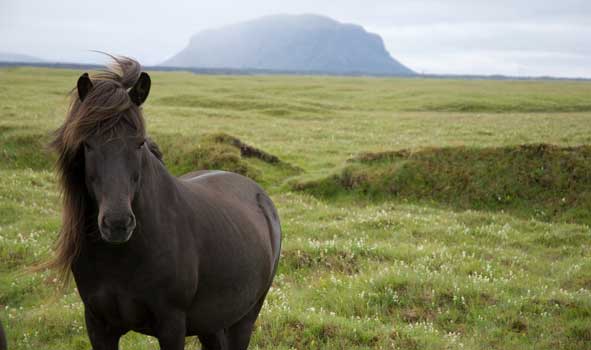
The Icelandic horse is the size of a pony but as strong as a horse. You can find a tour that suits you perfectly from a few hours of horse back riding to a multi day tour. These horses are very well secured by the Icelanders and they prohibit importation of horses. It’s a must for all animal lovers to get to know the Icelandic horse.
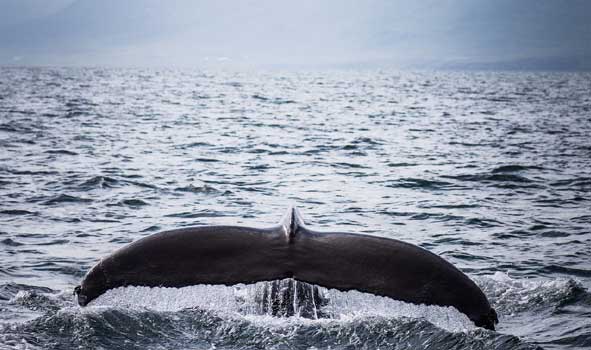
6. Watch the Whales
The whales around Iceland surface and shows off their tricks, often coming very close to the boats and you can sometimes spot dolphins jumping too. In summer you can go whale watching both on the north and south coasts of Iceland. Both locations are great for whale watching. In winter, tours only run from the Old harbour of Reykjavik. It’s truly amazing to see these gigantic animals in their natural environment so up close.
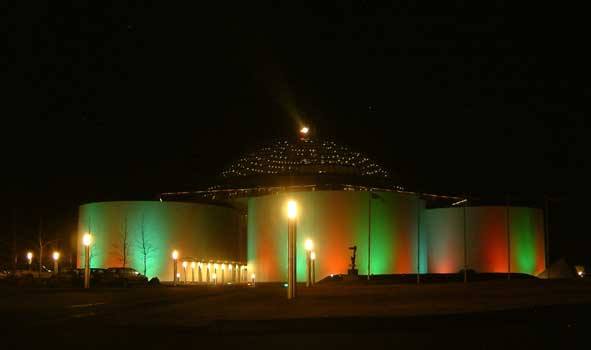
7. Visit The Pearl
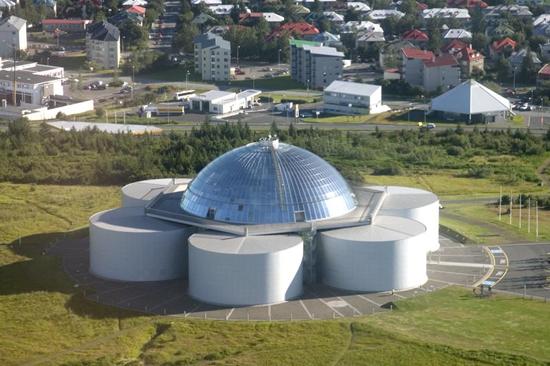
Perlan is a famous landmark in Reykjavik, you’ll see it’s massive glass dome on the hill. You can go visit the viewing deck at a small charge, visit the shop and enjoy the magnificent view at the restaurant. Perlan now has an Ice Cave exhibition where you can walk through an ice tunnel and you can get the history of Icelands glaciers.
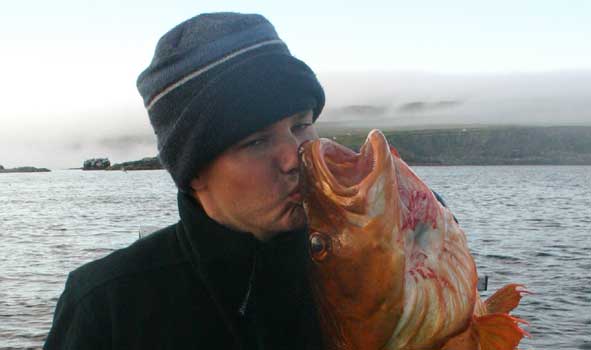
8. Go Fishing!
The fishing industry has been Icelands main industry for centuries and is still a big part of the culture. You can either go on a tour to catch your own fish or go down to the harbour in the morning and offer your help to the fishermen. A freshly caught fish is simply the best, even better if you caught it yourself.
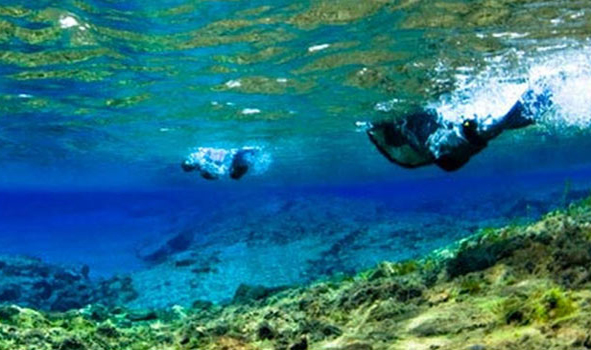
9. Try Diving and Snorkeling
Diving and snorkeling are some of the best things to do in Iceland. Needless to say that there are plenty of spots where you can enjoy such activity. Surprisingly, you can also go surfing in Iceland. The most popular place to go snorkeling is the Silfra at Thingvellir National Park.
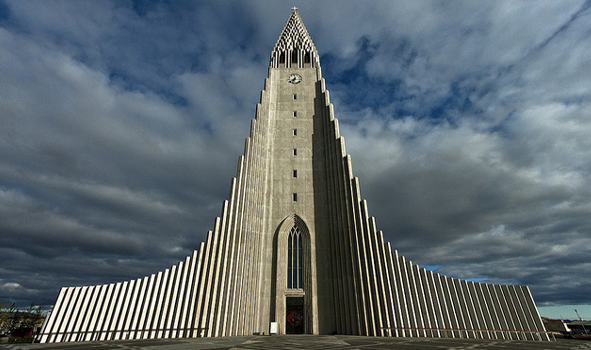
10. Check out the View from the Bell Tower
Hallgrimskirkja is the tallest church in Iceland at 244 feet. There is a lift that takes you to the top of the bell tower where you get a magnificent view across the city. The church itself is beautiful and we recommend you pay a visit.
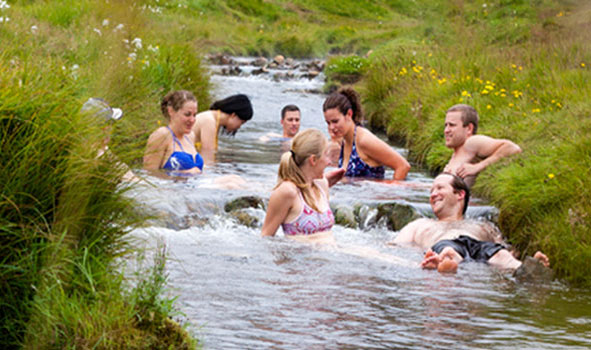
11. Enjoy a Geothermal Bath
You can find many different places in Iceland to bathe in a natural hot water. We recommend Landmannalaugar, the Blue lagoon, Lake Myvatn and the Secret lagoon. To relax in the natural warm water out in nature is definitely a must and should be on your bucket list.
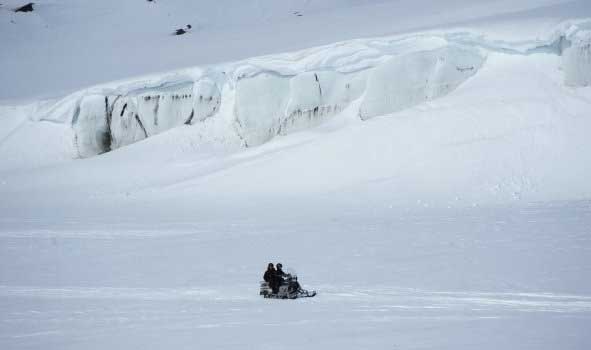
12. Snowmobiling on a Glacier
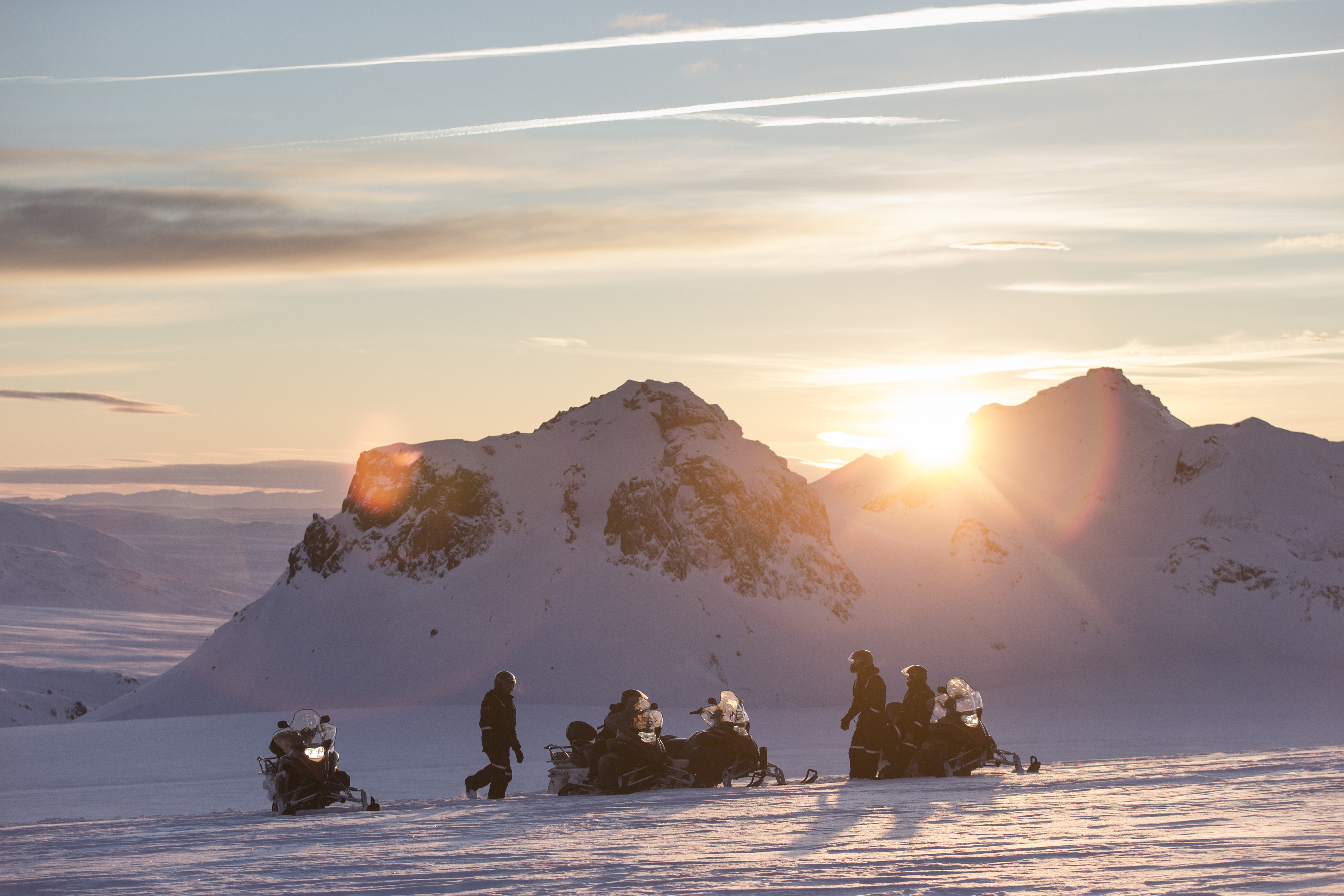
Get your adrenaline pumping, jump on a snowmobile and tell all your friends you’ve been on a glacier. Most snowmobile rides take place on Langjokull glacier and Myvatnsjokull glacier. There are various tours to choose from and many people like to combine a snowmobiling adventure with the Golden Circle.
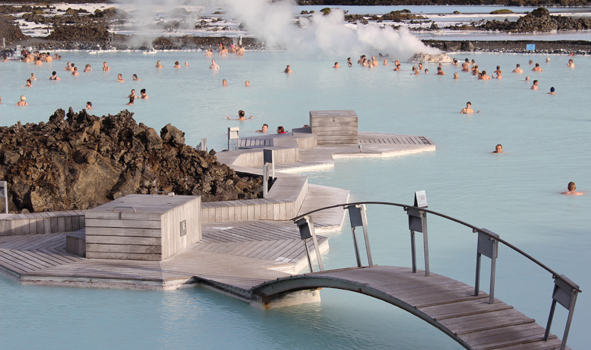
13. Get Married in the Blue Lagoon
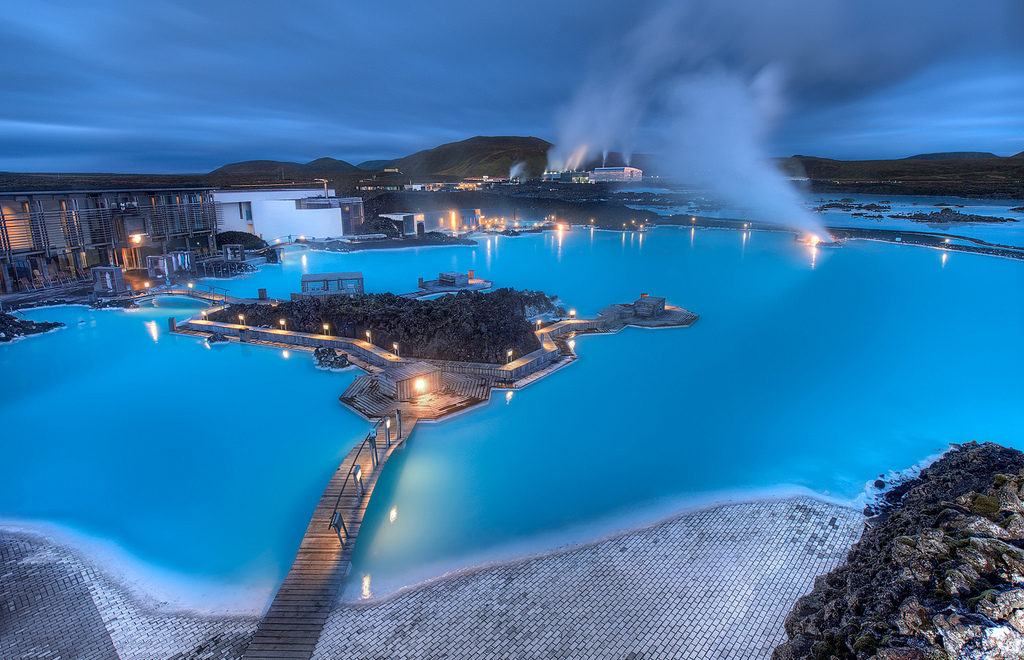
The Blue lagoon is one of the most popular destinations in Iceland. Its not just beautiful but it’s also a very relaxing and peaceful place with unique surroundings. The warm turquoise blue water is truly beautiful and you’re surrounded with lava fields, it’s very unique.
The lagoon is known for its healing powers for the skin but you can do many other things there, one of which is to get married. Couples who are interested in tying the knot in this unusual location can get assistance from the personnel at the Blue Lagoon.
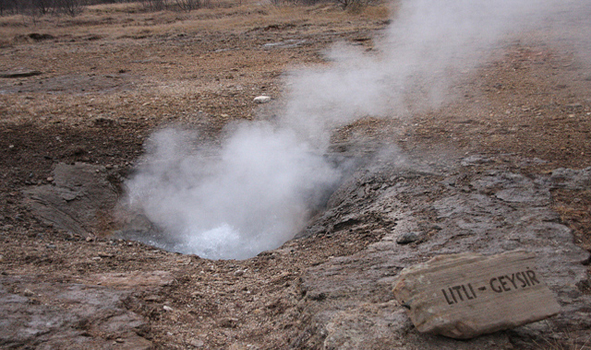
14. Be a Chef in Natures Kitchen.
The possibilities are endless when it comes to Icelands geothermal energy. Hot springs are used not only for heating homes but are very handy when traveling. You can use them for almost everything from washing laundry to boiling eggs.
Icelanders also use the geothermal heat to bake bread in the hot ground. The dough is placed in a container, such as a milk carton, and buried in the hot ground. This can take a few hours to bake so you can buy a loaf of geothermal bread in places such as Hveragerdi and Myvatnssveit.
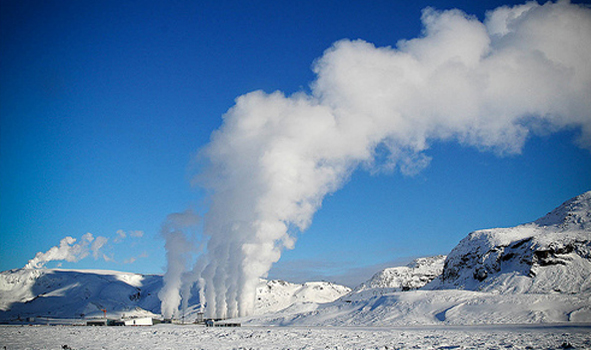
15. Get Hot.
Unlike other countries, in Iceland you can stand in the shower as long as you like without worrying too much about the water bill. Due to the islands volcanic activity, the hot water is both plentiful and inexpensive making it perfect for heating homes, greenhouses, melting snow and filling swimming pools and hot tubs. So enjoy it whilst you’re here, take a long hot shower without feeling too guilty.
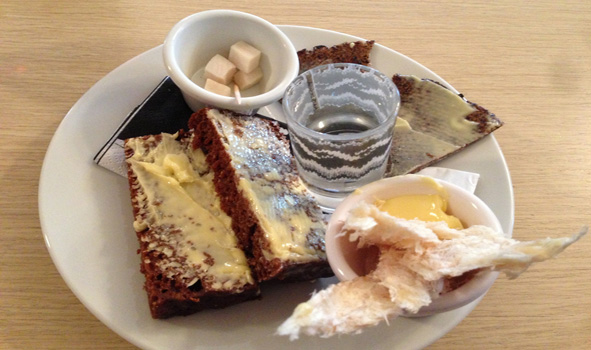
16. Eat Fermented Shark.
Some of the traditional Icelandic food might seem a bit odd to foreigners. For example, sheeps head, dried fish and fermented shark are some of the specialities. When you visit Iceland it’s almost a must to try fermented shark. It has a strong smell and taste but if you want to make a good impression for the locals, try a bite.
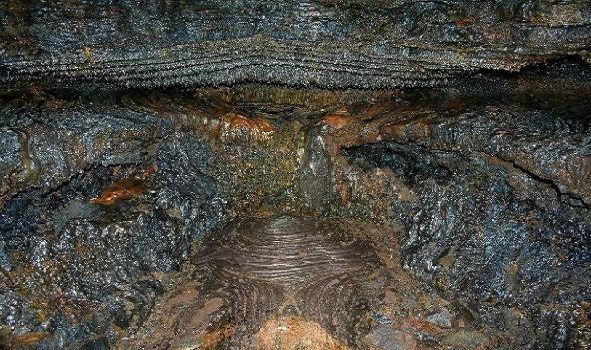
17. Go Lava Caving.
If you are the adventurous type, go lava caving. There are various tours offered and you often don’t need to go far from Reykjavik to find a lava tube. Leidarendi is within 30 minutes drive from the Reykjavik.
18. See the Northern Lights.
The northern lights are a magical phenomenon that everyone should see at least once in a lifetime. Whether you decide to do a tour or a self-drive, the experience seeing the lights dancing above your head will stay with you forever. All sorts of tours are available for aurora hunting: Evening tours, combo tours, bus tours, super jeep tours, multi day tours, floating tours, boat tours…. the list is long so you should find at least one that suits your needs.
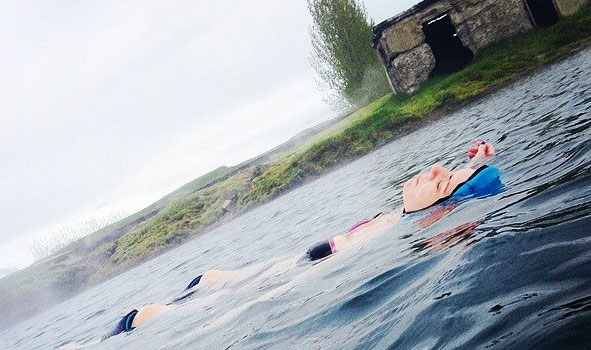
19. Go Floating.
Floating is one of the best ways possible to relax. The floating kit enables you to float in the warm Secret Lagoon and let every muscle in your body rest. There are many extra treats on the tours as well, such as hunting for the northern lights in winter.
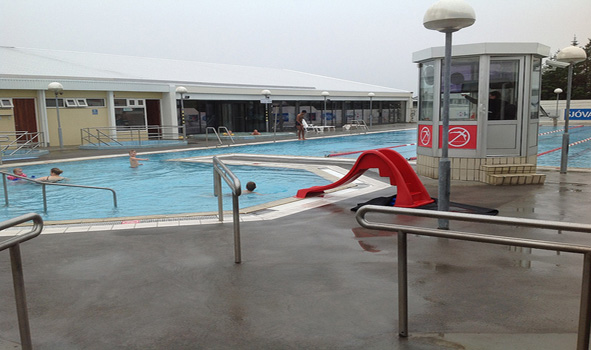
20. Go Swimming and Relax in the Hot Tubs.
Swimming is a big part of Icelandic culture. It is obligatory for all Icelanders to learn how to swim so you can say we are raised in the pools to a great extent. Most pools are outdoors but the water is always nicely warm so people go for a swim without freezing in winter. The hot tubs are a must after a refreshing swim and an ideal way to blend with the locals.
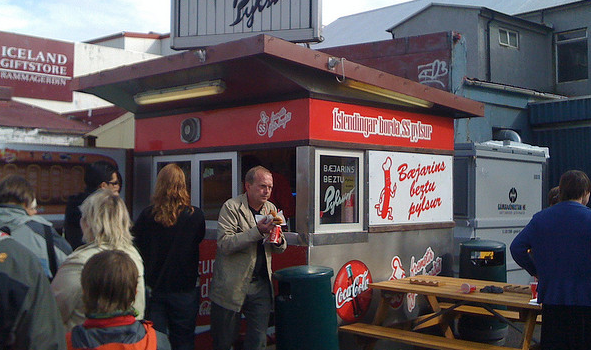
21. Have a Hot Dog.
It is almost obligatory to have a hot dog when you visit Iceland. The most popular hot dog booth in Reykjavik is opposite Kolaportið flea market, not far from the Old Harbor. As for “ein með öllu” (one with everything) and blend in with the locals by the booth while you enjoy your delicious hot dog. When you are travelling around Iceland you can buy a hot dog almost everywhere so there is no excuse not to have one!
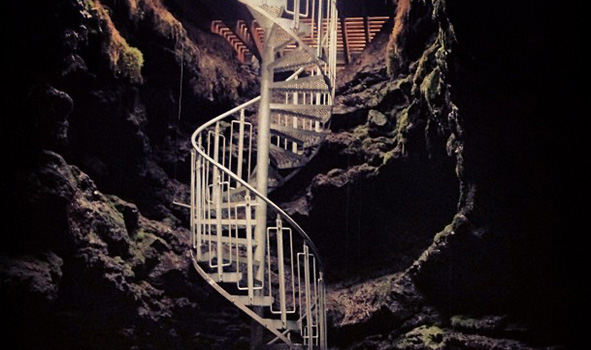
22. Go Inside a Volcano.
Thrihnukagigur Volcano has retired by being an erupting prowess 4,000 years ago, so exploring the magma chamber from the inside is as safe as exploring a museum. But unlike a museum with just parts or relics of a volcano closed in a casket, a tour inside the volanco will take you to the actual inside of a volcano. Something you shouldn´t miss and do at least once in a lifetime!
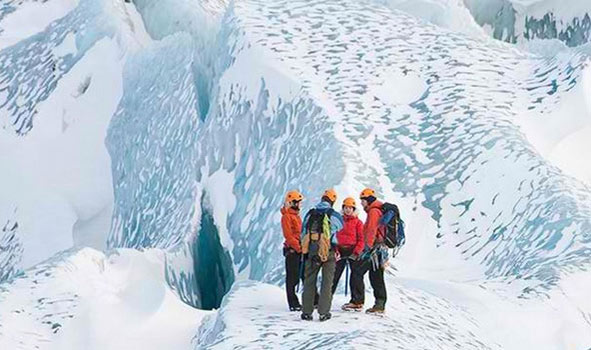
23. Try Glacier Hiking.
For an adventurous day, try glacier hiking. At Sólheimajökull glacier you can explore the crevasse riddle outlet glacier with amazing ice formations, sinkholes and indented ridges. Some tours even offer you ice climbing as well. Never go glacier hiking on your own though as it simply is too dangerous but with guides and the right equipment you are off to an adventure.
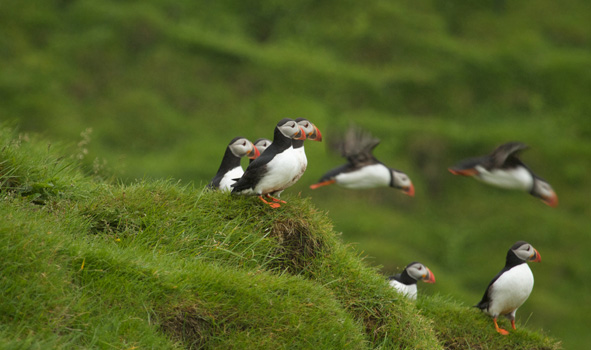
24. See the Puffins.
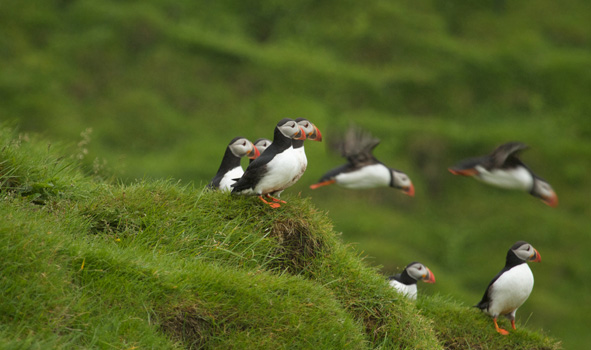
Puffins are unique and beautiful birds. Over half of the world´s population of the Atlantic puffin roost in Iceland. These birds are unique in many ways, like how they can paddle along the surface of the sea and dive underwater on spotting prey. Half of Icelandic puffins are in the Westmann Island where they both harvested and conserved. Other sites are for instance Hornbjarg and Hornstrandir and on many whale watching tours you see puffins. It is to be noted that puffins aren´t in Iceland during winter. This is one of our favorite things to do in Iceland because the puffins are just great
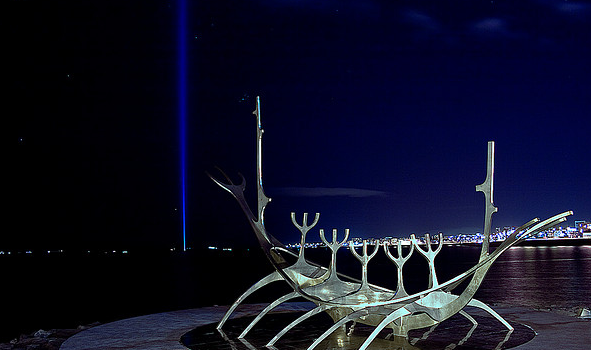
25. Check out the Imagine Peace Tower
The Imagine Peace Tower stands for joy, wisdom, hope and healing. It is a memorial tower of John Lennon by his wife Yoko Ono. The tower is lighted up from 9th October, which is John Lennon´s birthday, up to 8th December. There are also some additional dates for the tower to be lit up and that includes for instance 31st December. The tower is located in Viðey but you can see the light from a far.
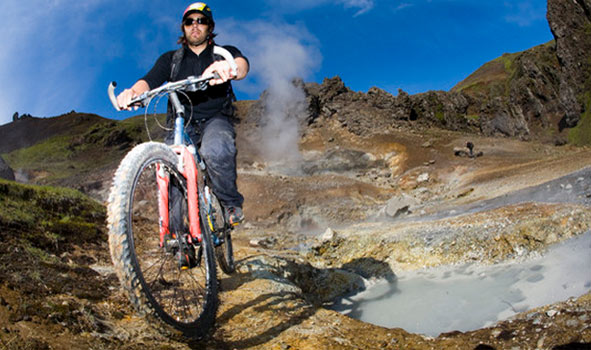
26. Go for a Bike Ride in the Nature
If you want to get the adrenaline pumping and get a real exercise then go biking! There are various tours offered, like in Heiðmörk and Skaftafell, where you can enjoy a great bike ride away from the city lights and noise.
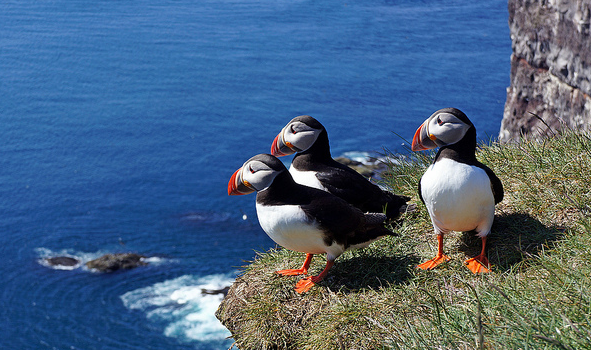
27. Visit the Westman Islands
The Westman islands (Vestmannaeyjar) are located just off the south coast of Iceland. One of the most famous volcanic eruptions in Iceland took place there in 1973. There is a museum about the eruption that you must visit. The largest island is Heimaey but the other islands are uninhabitable. More than 30 bird species nest in their millions in the cliffs, including puffins. Sail around the islands and enjoy the peacefulness and nature the islands have to offer.
28. Try the Icelandic Skyr
Skyr is a dairy product that is very popular in Iceland. You can buy skyr with various flavours, like blueberry and strawberry, but also just plain skyr. It is healthy and something Icelanders have eaten for decades. It is similar to thick yogurt but the taste is unique and delicious. Be like an Icelander and eat skyr!
29. Visit the Arctic Circle on Grímsey Island
Grímsey is a small island about 40 km (25 mi) off the north coast of Iceland and straddling the Arctic Circle. Grímsey is the northernmost inhabited Icelandic territory. The Arctic Circle runs through the island and it is an optimal photo opportunity to take a photo there. You can either fly or take a ferry to the island and spend a day or two.
30. Mount Esja
When you are in Reykjavik you see a beautiful mountain not too far away. This is Esjan, an outdoor paradise. If you want to go for a hike it is an ideal place to so do, either on your own or with a tour. You don´t need to go to the top unless you want to but the view from the hills, and of course the top, is magnificent. Here you can enjoy nature to the fullest and within an hour drive from the capital.
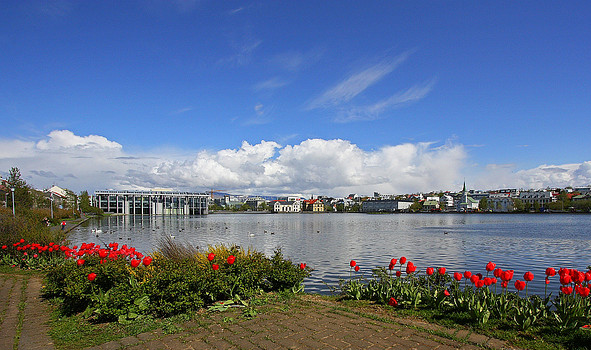
31. The Pond
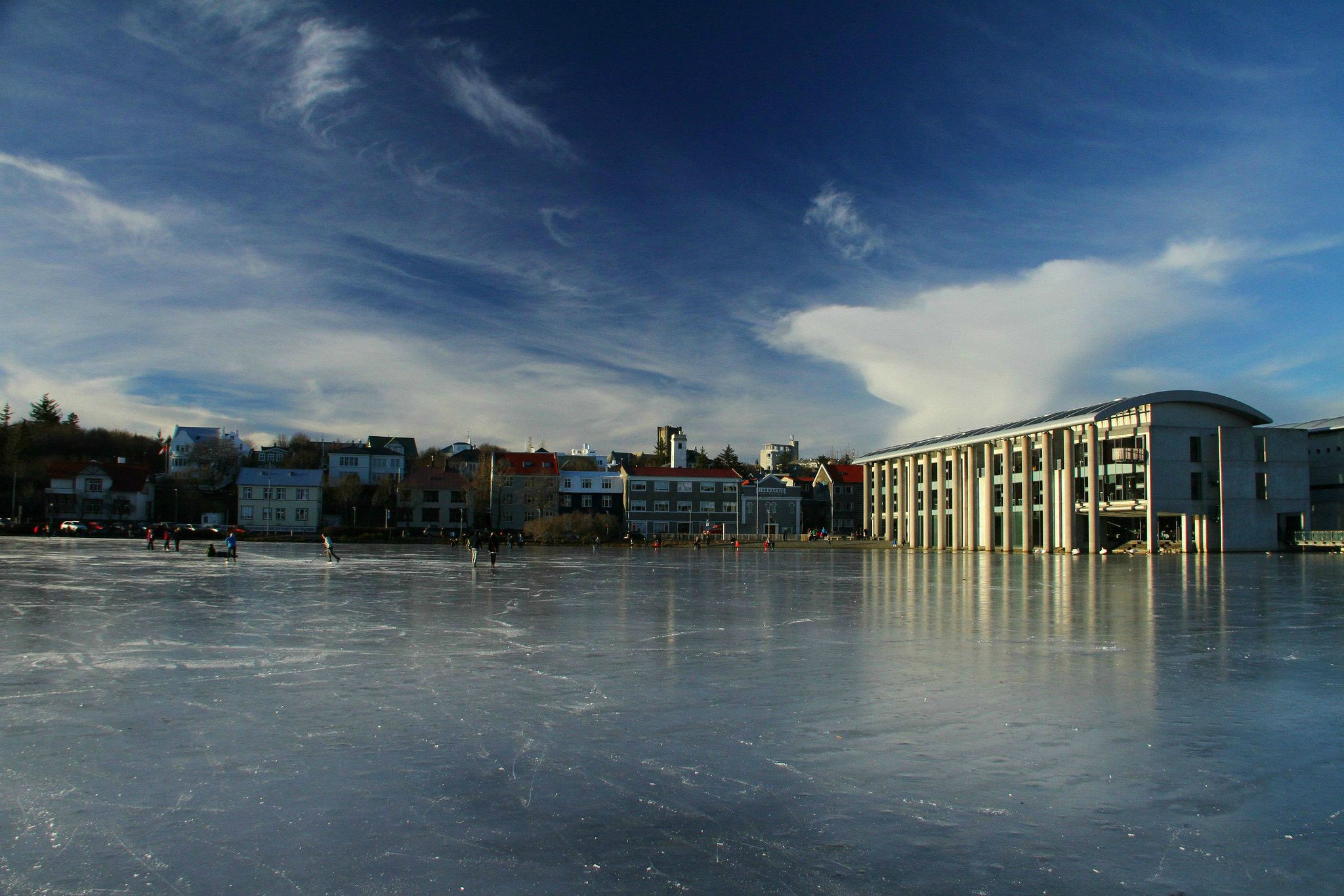
In Reykjavík´s city center you will see a pond. In summer you can see there different kinds of birds swimming with their newborns. All around the pond you can see various sculptures and artwork and also city hall where you can sit down and have a nice cup of coffee while enjoying the view of the pond. In winter the pond often freezes and then you people either walking across the ice or skating. Try it too, just make sure the ice is really frozen!
32. Enjoy Christmas
Icelanders love Christmas. They decorate their houses, trees and the city center is always very festive. There is a Christmas market in Hafnarfjordur, Christmas shop on the main shopping street in Reykjavik (Laugavegur) and there is always something going on. Don´t forget the Icelandic Santas – they are 13!
33. Attend a Sports Event
Icelanders love sports. In summer football is very popular and in winter it is handball and basketball. If you are a sports fan then you should definitely go to a game and blend in with the locals!
34. Get a City Pass
The City Pass opens doors to many great activities. You can buy one for 1,2 or 3 days. With the City Pass you can visit all the museums in Reykjavik, go swimming, visit the domestic zoo, take the ferry over to Videy island (where the Imagine Peace Tower is located) and much more. Spend time and money wisely and grab a City Pass.
35. Hvalfjörður
The Hvalfjörður Tunnel (Hvalfjarðargöng) is a road tunel under Hvalfjördur fjord and is a part of the ring road. It is 5770 meter longs and reaches a depth of 165 meters below sea level. It shortens the distance from Reykjavík to the western and northern parts of Iceland by 45 km as it takes around an hour to drive the Hvalfjörður fjord itself. The fjord is around 30 km long and 5 km wide. The fjord has a history. During World War II a naval base of the British and American navies could be found there. The name of the fjord is derived from the large number of whales that could be found and caught there. In summer, if you have plenty of extra time, it is a lovely route to drive the fjord itself. Lovely scenery, waterfalls, interesting mixture of volcanic mountains and green vegetation, rivers and unspoiled nature. In winter we recommend the tunnel!
36. Visit Churches
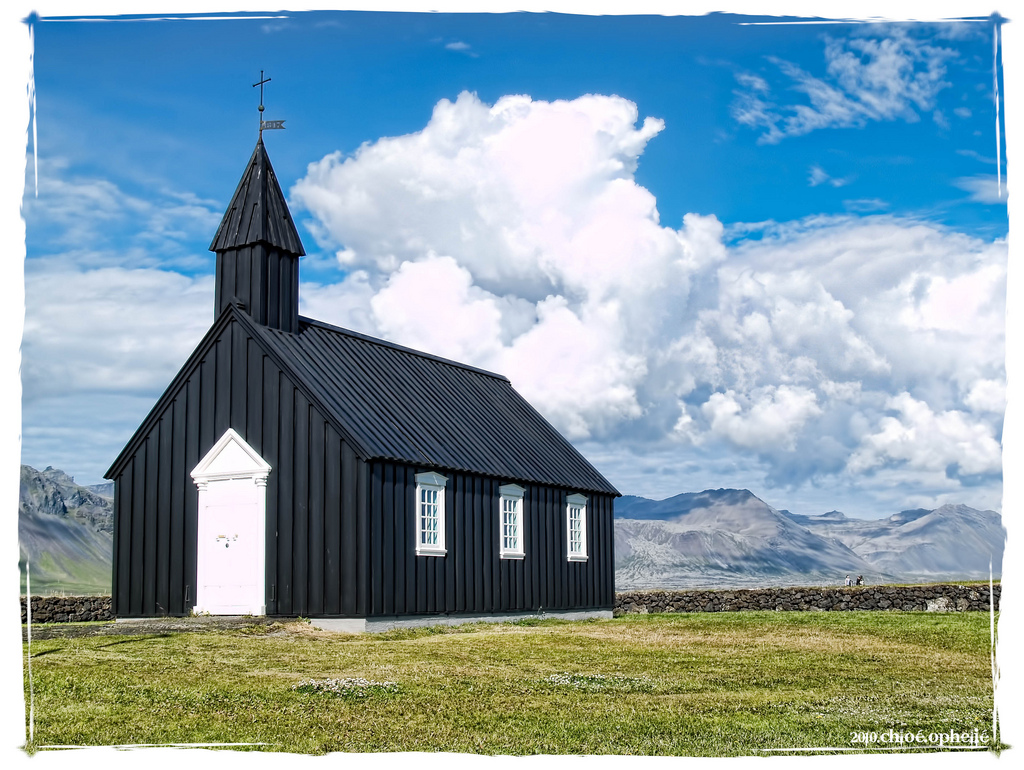
It doesn´t matter whether you are religious or not, visiting the many lovely churches is a wonderful experience. It doesn´t matter whether it is the great Hallgrimskirkja church or a small country church, all of them have their own unique style and history. If you visit the Hallgrimskirkja church, try to be there when they play the massive organ. The sound and the experience is amazing! The small country churches are worth visiting but you can find them all over the country.
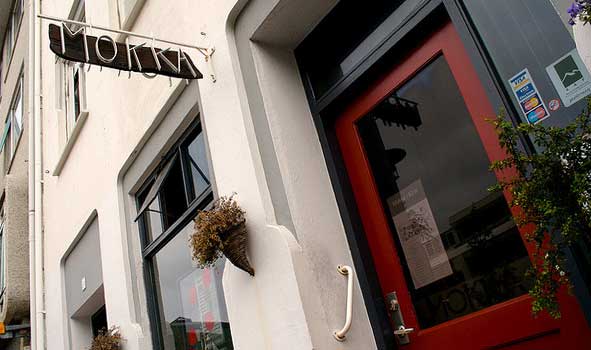
37. Check out the Bars and Cafés
If you long for a nice cup of coffee there are various cafés in the city center in Reykjavík. Try also some local delicacies like kleina or vaffla. If you want to have a beer the pub Kaldi is ideal and try out the local beers. If you want something special, the Kex hostel has an extra ordinary bar/restaurant. The possibilities are endless and do not hesitate to try as many as you can find. You will have a nice experience wherever you go and blend with the locals!
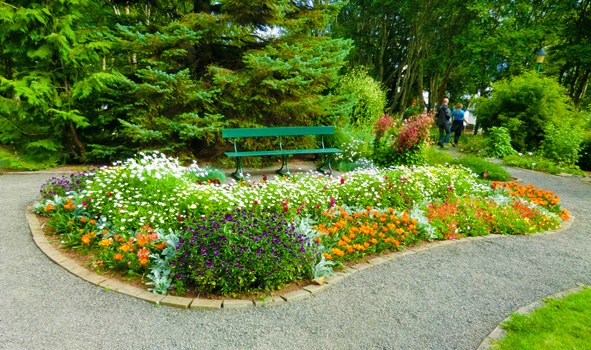
38. Botanical Garden
If you are a fan of trees and flowers, you need to check out the Botanical Garden in Laugardalur. In summer it is gorgeous but it is also charming in winter. Small pond, fountain and peaceful with birdlife. You also find Café Flora there, an ideal place to sit down, relax and enjoy a meal.
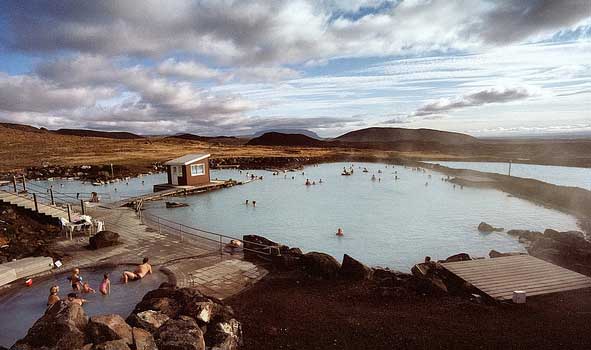
39. Mývatn Nature Baths
The Blue lagoon is always very popular but not too many know that there is another lagoon on the northern coast by lake Mývatn. The Mývatn nature baths are natural, peaceful and worth visiting if you are traveling in the area.
40. Cultural Night
Every year in August Cultural night is celebrated in Reykjavik. It starts in the morning and eds around midnight with fireworks. Stroll around town and participate in various events – such as the marathon – and enjoy the shows, concerts and all the other sites offering something exciting. In the evening, enjoy the concert in the city center and then the wonderful fireworks just before midnight. This is one of our favorite things to do in Iceland because the fireworks are just great:)
41. Visit the Black Sand Beach in Vík
On the south coast of Iceland you will find many nature gems. One of them is the black sand beach close to Vík, called Reynisfjara. The black sand is crushed lava rock and it also features an amazing cliff of regular basalt columns, called Garðar. Out in the sea you will see the beautifully shaped basalt sea stacks Reynisdrangar. The ocean there is very powerful so don´t go too close!! Half way down the beach is a large vaulted cavern, a beautiful site but again, don´t go too close. Otherwise you might end up in the Atlantic Ocean! The area is rich in birdlife and in summer you can spot puffins for instance.
42. Visit the Abandoned Plane.
On Sólheimasandur beach in the south of Iceland you will find something unusual. An epic plane wreck! In 1973 a United States Navy airplane ran out of fuel and was forced to land on the black beach at Sólheimasandur. Thankfully everyone on board survived. Later it turned out that the pilot had simply switched over to the wrong fuel tank. The remains are still at the crash site, on the sand very close to the sea. The scenery is quite amazing and unreal, it is actually like from a science fiction move. A site worth visiting!
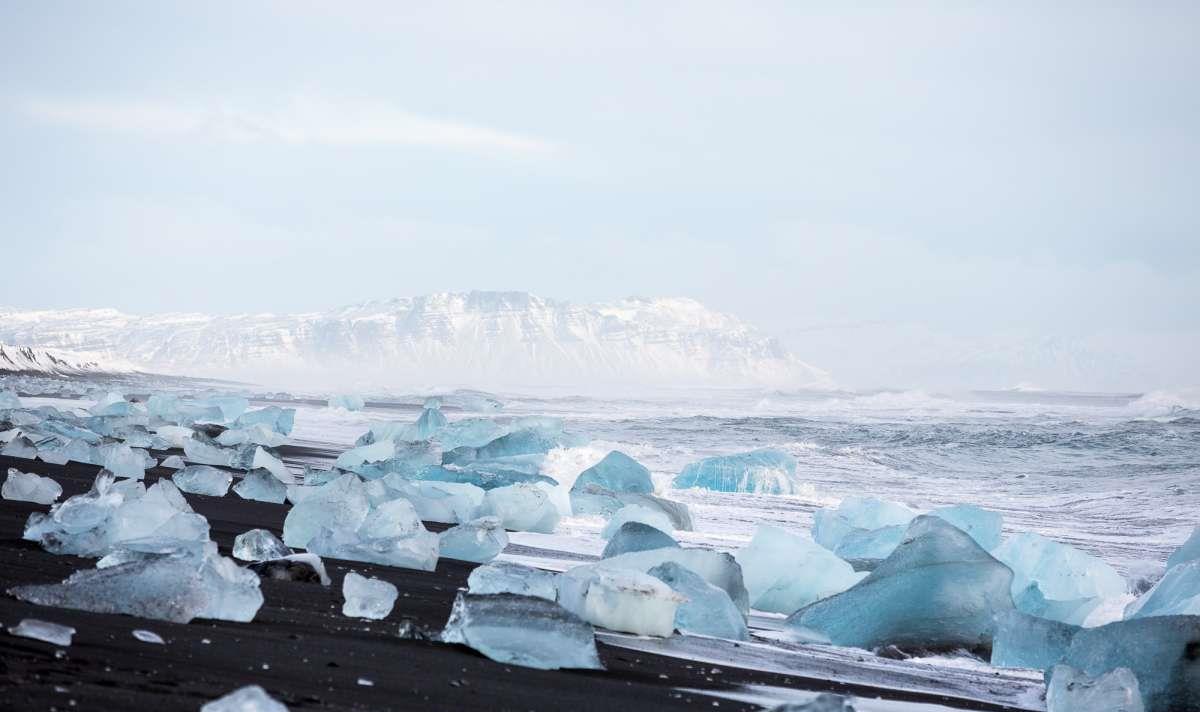
43. Visit the Glacial Lagoon
The Glacial lagoon is one of many wonders of nature that you will find in Iceland. The lagoon first appeared in 1934-1935 and has been growing ever since. It is the deepest lake in Iceland, located on the edge of Vatnajökull National Park. During summer you can take a boat tour on the lake and sail among the magnificent icebergs. In winter it is a popular location to hunt for the northern lights. The lagoon has been a setting for several Hollywood films, such as James Bond.
44. Drive Through the National Park, Thingvellir
Thingvellir National Park is a wonderful place worth visiting. It is very historical and special in so many ways. It is where you can see the Mid-Atlantic Ridge that splits Iceland further apart each year. The scenery is one of a kind and it doesn´t matter whether it is in summer, spring, fall or winter. Thingvallavatn lake is breathtaking, the trees, the lava, the waterfalls…. the list is endless. Thingvellir is a site of historical and cultural importance. It is where the Icelandic Parliament was established in 930 and in 2004 Thingvellir became a World Heritage Site. All off road driving is of course prohibited and please show the park and its surroundings full respect.
Volcanic eruptions in Iceland
Volcanic eruption in Iceland
The most recent volcanic eruption in Iceland is clearly in Bárðarbunga (started erupting in 2014). Located on the mid-Atlantic ridge, Iceland has a high concentration of active volcanoes. In Iceland there are 30 active volcanic systems and 13 of them have erupted since the settlement of Iceland. We have put together a list of a few volcanic eruptions in Iceland.
1. The Westman Islands (1973)
One of the most famous volcanic eruption in Iceland is the one in the Westman Islands in 1973. The eruption came without any signs of warnings. Ash fell over most of the island, around 400 homes were destroyed and lava flow threatened the harbour. It is a blessing that no one was killed. This video will give you the story of the eruption.
2. Eyjafjallajökull (2010)
Who doesn´t remember the Eyjafjallajökull eruption? The eruption that everyone was talking about in 2010. Despite of being a relatively small eruption it caused enormous disruption to air travel across northern and western Europe. An ash cloud led to the closure of most the the European airspace in April. In October 2010 the eruption was officially over. Here you can see a good BBC clip about the eruption.
3. Grímsvötn eruption (2011)
Grímsvötn is a volcano in the south eastern part of Iceland, in the highlands. Grímsvötn is a basaltic volcano and has the highest eruption frequency of all the volcanoes in Iceland. Most of the eruptions have been subglacial. The last time Grímsvötn erupted was in May 2011.
4. Hekla
Hekla is a stratovolcano in the south of Iceland. It is a part of a volcanic ridge. It is one of Iceland´s most active volcano and has erupted more than 20 times since 874. The earliest recorded eruption is in 1104. Eruptions in Hekla are extremely varied and difficult to predict but there is a general correlation – the longer Hekla goes dormant, the larger and more powerful its opening eruption will be! Hekla last erupted in 2000. No one knows when the next Hekla eruption will take place.
The Humble History of Iceland
Humble History of Iceland
When Iceland is mentioned, the first thing that crops up in people’s mind is that it must be covered in ice, as suggested by the name. But, in fact, it is not so. Iceland has beautiful lush green meadows, nice people and a rich history. The country has many volcanoes, out of which very few are active. Iceland is also the home of the famous songwriter-singer, Bjork. Even though it is a small speck of land in the North Atlantic Ocean, Iceland is quite exciting and amazing than people think it to be.
So, how did Iceland come into existence and change into a well-known tourist destination that it is today? Well, let’s have a look at its history.
The Beginning
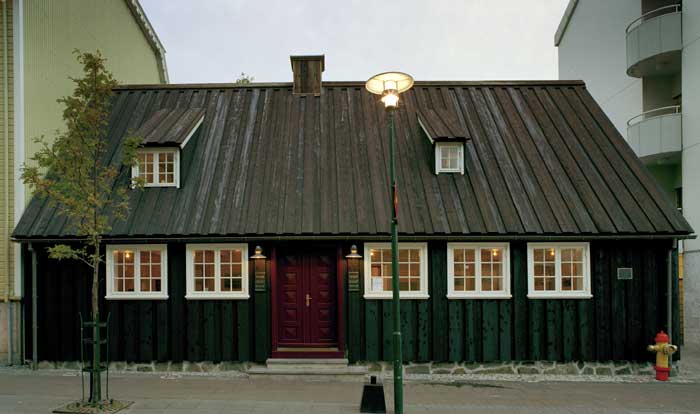
Iceland is situated at the intersection of two tectonic plates – the American tectonic plate and the Eurasian tectonic plate. Around for 16-18 million years ago, these two tectonic plates started to drift apart, causing a critical volcanic eruption and thus, as a result, Iceland came into existence. In the present age too, Iceland sits on the ‘Iceland Plume’, a volcanic hotspot that causes a mass of earthquakes every year and volcanic eruptions also occurs every other year or so.
The Settlement of the Colonies and Government
During 871 AD, a Norwegian man name Ingólfur Arnarsson committed the act of murder and was thus banished from his homeland. He came to Iceland with two ships and engaged the Nordic people for grabbing this land and won. This resulted in a Norse-Celtic mix of genes in Iceland and most of the present Icelander can trace back their lineage to this time.
Due to the fact, that in the past, Iceland was a country of rebel and escapees, it required a system of government. This won’t lead to the creation of the Althingi, which is the long-standing democratic parliament that, to this day, exists. The region was divided into small areas that had a chieftain, a religious leader and a politician. During the summer, the chieftains of every village would meet and discuss the laws and settle disputes, if any. Every year, the politician would recite one-third of the laws from memory and later, these laws were written down in a book called the Grágás. This book still exists today and contains all the practical laws of Iceland. The parliament is also uninterruptedly functioning to this day, except during the years from 1800 to 1845, when it did not function.
Rise of Christianity in the Country
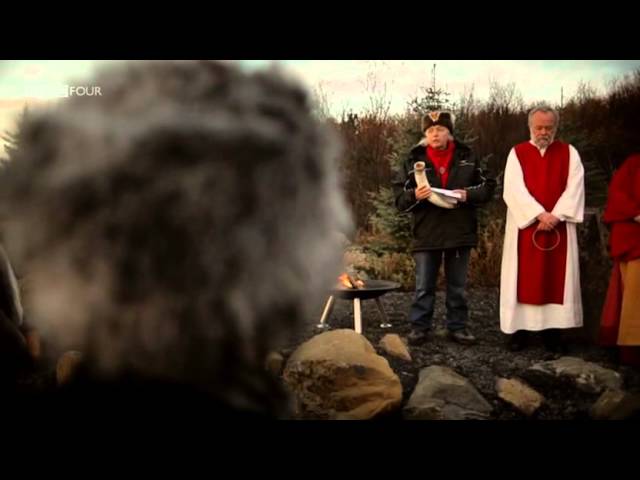
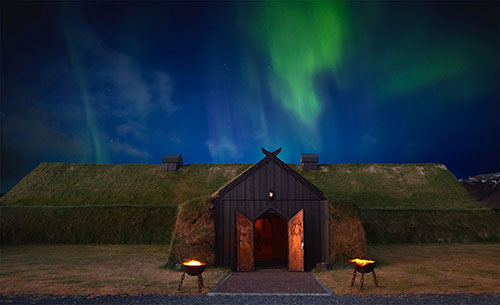
Up to the 10th century, Iceland’s religion was Ásatrú and worshipped Norse gods like Óðinn, þór and others. When Christianity came into existence and the Christian preachers started teaching their faith, it leads to a confrontation between the two religions. To bring matters to a peace, Þorgeir Ljósvetningagoði Þorkelsson was asked to contemplate. For one whole day and one whole night, he lay under a bear skin and when he came out, he ordered the conclusion that Iceland should be a country of Christian religion. It was following the religion of Roman Catholicism until the year 1540, when the region was converted to Lutheran Protestantism. This was met with huge violence and was only settled with the beheading of the Catholic bishop, Jón Arason, in the year 1550.
Submission to Norway: the Rise and Fall of Monopoly and Independence
Up to the year 1262, the chieftains of the Icelandic regions where growing powerful constantly and the whole country was covered in civil wars between the 7 powerful clans. To end the war, the chieftains submitted to the king of Norway, Haakon IV. During the 14th century, Iceland was again split up when the Kingdoms of Norway, Sweden and Denmark became one kingdom and it fell under the Danish rule.
During the 1500s, German and English fisherman and traders set up trading posts in Iceland and begin trading with Icelanders. Suddenly, a cross with the prosperity his countrymen was enjoying, Christian IV, the King of Denmark, granted exclusive rights of trading to certain merchants. This was a harmful decision as Danish people could pay as little as they want for Icelandic goods and charge exorbitant prices for their goods. It swallowed Iceland in total poverty by this system of monopoly was done away with in the year 1786.
The rise of Iceland from the dark ages was made possible due to Sheriff Skúli Magnússon. He picked Reykjavik to be the center of Icelandic civilization and modernization. He built several wool workshop buildings around the region and thus, Iceland began to rise out of the dark ages that it was experiencing.
The rise of nationalism, the independence and the enlightenment of Iceland can be attributed to Jón Sigurðsson. The independence movement, led by him, resulted in the Icelandic parliament being an advisory body to the king in 1845. Then, the movement came home to Iceland in the year 1905. In 1918, Iceland gained its sovereignty and gradually, on June 17th, 1944, Iceland gained its independence as Denmark was being invaded by Germany. Incidentally, June 17th is also the date of birth of Jón Sigurðsson.
Role during the World Wars and Entry into the 20th Century
In spite of the progress made in the field of industrialization and urbanization, Iceland was still a bit far behind. Innovations such as electricity, the first trawler and the first car was introduced to Iceland in years from 1900-1910. During the world wars, as Iceland was doing the job of selling products to the allies and returning the American Occupying forces, Iceland was granted an economic boon and the various cultural influences like the television and jazz came to the country. This helped Iceland to come to terms with the 20th century and still, to this day, the people of Iceland are still fascinated by new and foreign technology, culture and materials.
The Crash of the Icelandic Economy in 2008 and Recovery Since Then
The economy of Iceland was always suffering a high inflation from the 1950s. Then, during the 1990s, the commercial banking system of the country was privatized and various laws were passed which eased the opportunity of trading between several countries and Iceland. This led to an incredible growth in the financial aspect of the country, but it was halted in October, 2008. The Icelandic currency, Króna, depreciated by 50% of its value, overnight. This led to people losing their livelihood, their job and their homes.
So, this is the history of Iceland, from its very beginning to the present times. The quickness of the economic recovery of the country has garnered the attention of the international community. The industries of the country are still operational and the level of unemployment in the country is in control. However, the wages and salaries of the countrymen are still quite low and thus, it is a good time for foreigners to visit the country.
What is the midnight sun of Iceland?
Midnight Sun in Iceland
What is the Midnight Sun?
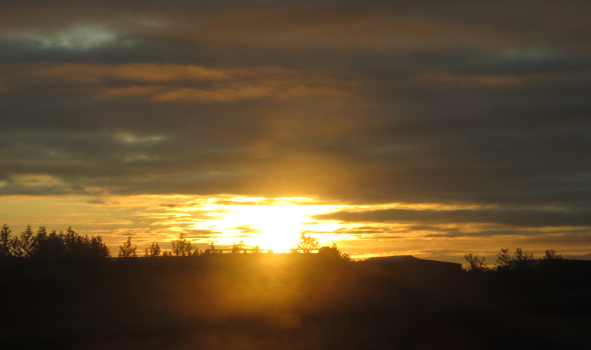
A natural phenomenon that occurs during the months of summer in some places in the north of the Arctic Circle or to the south of the Antarctic Circle in which the sun is visible at the local midnight time of a region is known as Midnight Sun. During the period of the summer solstice that approximately on June 21st in the north region and December 22nd in the southern regions, the sun is visible for a period of 24 hours, if the weather is fair. The potential of midnight sun occurring for a number of days increase as the poles are moving further from the Sun. Even though the midnight sun is defined by the polar circles, in reality, the midnight sun can be seen as much as a distance of 90KM outside the polar circle. The exact latitudes that the midnight sun reaches depends on the topography of the region and every year, it varies.
Who Sees the Midnight Sun?
Since there is no permanent area of residence in the southern parts of the Antarctic Circle, there are only a limited number of regions that experience the midnight sun – Yukon, Nunavut and Northwest Territories of Canada, Iceland, Norway, Sweden, Greenland, Finland, Russia and Alaska in the United States. In the northern part of some of the countries mentioned, the sun does not set for a period of 60 days during the summer. In the Svalbard region of Norway, the sun does not set at all from 19th April to 23rd August.
Some regions below the polar circle may experience midnight sun due to refraction of the atmosphere and the sun is a disk and not a point. But, places which exceed one degree below the polar circle does not experience the midnight sun. Iceland is known to experience midnight sun even though most of the region of the located slightly to the south of the Arctic Circle. At the poles, the period of sunlight is a little bit more than six months.
Common Questions
Now, when a person is visiting Iceland during the period of the Midnight Sun, a lot of questions crop up in his or her mind. When does the midnight sun in Iceland happen? For how long does the sunrise or sunset last? In Iceland, what is the time frame during which the midnight sun can be experienced? Is it possible to sleep during the midnight sun?
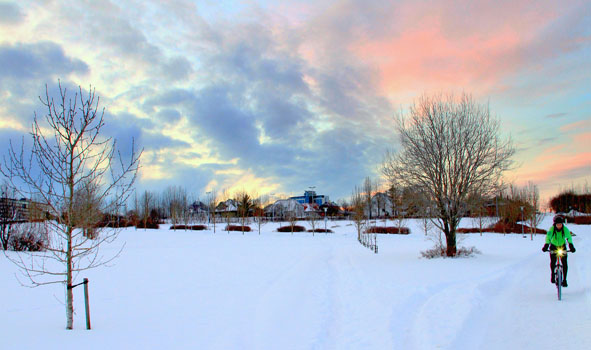
Summer and Winter in Iceland
During the summertime, in Iceland, the days are quite long. Iceland’s nights are bright from the period of late May to early August. This is quite unfathomable to some people and they have various questions about it. One of the most common questions about Iceland’s midnight sun is that if is it possible to sleep during the period of the midnight sun. The answer to this question is that it is quite possible. Just like a person can sleep with the lights on or in the middle of the day, a person can sleep during the period of the midnight sun. If a person requires complete darkness to sleep, he or she can use curtains to block out the midnight sun. After a period of dark winters, it can be a bit weird to have endless days. But as time goes by, the period of longs days becomes adjusted to the lifestyle of a person and if you want to do some sightseeing then you can do it all night and day long.
On the planet, the further you go north or south, the more the effect of summer and winter solstices that you can feel. The summer solstice in Iceland is the longest day of Iceland’s year and it happens during the 21st of June. In Reykjavik, the suns set after midnight and again rises before 3AM. The days are even longer in Akureyri or Ísafjörður due to fact that it was further north in the country. The winter solstice in Iceland is the shortest day there and it occurs on the 21st of December. This means that in Reykjavik, the sun rises around 11:30AM in the morning and sunset occurs at 3:30PM during the afternoon. The day is even shorter as you go further north in the country. In between this period of time, that the period between the longest and shortest days of the year, the days are either getting shorter or longer. This shortening and longevity can vary between a few seconds to a period of several minutes per day. Twice a year, equinoxes occur on the 21st of March and the 21st of September. During these days, the amount of daylight and darkness are equal in length.
When?
Generally speaking, in Reykjavik, the midnight sun occurs during the period from 16th to 29th June. These are the only days during which the sun sets after midnight in the region. If the consideration is taken into account that the sun will rise a few hours later, at approximately 3:30AM in the morning, it is still quite bright even though the sun wasn’t in the sky yet. These beautiful bright nights occur for up to a period of 3 months. The time frame is one and a half months before the 21st of June and one and a half months after the 21st of June.
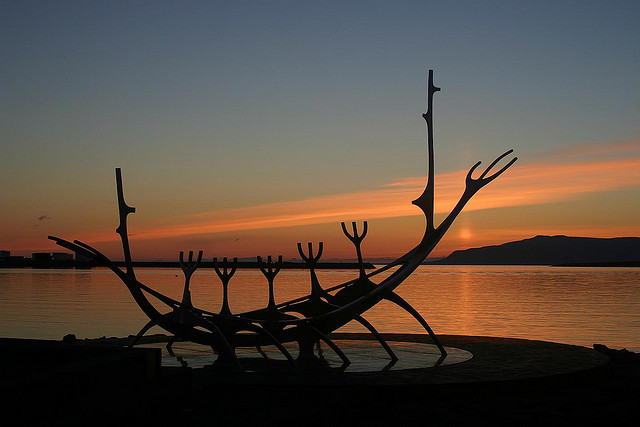
An incredible and beautiful picturesque display of the colorful and bright night sky is done due to the slow sunsets and sunrises. These bright skies tend to last for quite a long time and for several hours. When August begins, a few hours of the night can be quite dark, but it is not darker than dusk though. When August is ending and September is beginning, a couple of hours in the night will be quite dark that is pitch black dark. Iceland is truly a place of mystery and beauty and you can enjoy summertime and daytime activities for quite a long time due to the midnight sun. So, if you are interested in going to a place where you can enjoy more hours of the day without it affecting your crazy nightlife, then Iceland is definitely the place to visit. Things that you can do in Iceland even though it is night is that you can play golf or go on a tour of the Golden Circle in Iceland or enjoy the attractions that are there on Route 1 of Iceland.
10 Sights to Visit in Reykjavik
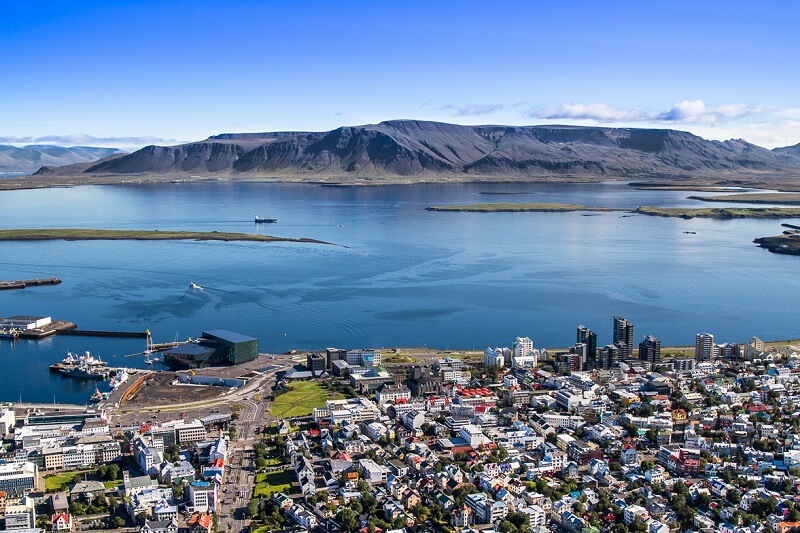
Even though Reykjavik isn’t a very big city, it has a lot to offer and there are many lovely sites to visit. We’ve put together a list of our top ten sites to visit in Reykjavik – but of course there’s much more to see and do in Icelands capital.
1. Hallgrimskirkja Church
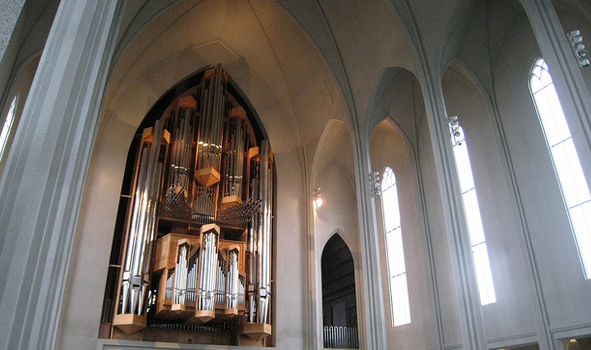
One of the most iconic buildings in Reykjavik is Hallgrimskirkja church. You can see it almost wherever you are and it is amongst the highest buildings in Iceland. You can go up the steeple and enjoy the magnificent view over the city and surrounding coastline. The church itself is beautiful and the organ is a work of art.
2. Perlan (The Pearl)
Perlan (The Pearl) stands out for its unique and modern architecture. Up on the fourth level there is a 360 degree viewing platform where you can get the best panoramic views of Reykjavík. When the sun sets, it’s a spectacular spot for the Northern Lights in winter if the forecast is looking good. You can also dine at the Perlan Restaurant and enjoy a view across the whole city. Visit the newly opened Glacier and Ice Cave Exhibition to learn about the Wonders of Iceland.
3. Tjörnin (The Pond)
Tjörnin or The Pond, is located in the city centre of Reykjavik. The birds on the Pond give the city a lively charm. You can take a walk around the Pond to see the sculptures set amongst the park grounds and enjoy the sunset. In winter the pond freezes over and people go ice skating on it. Hot geothermal waters are pumped into a small section of the pond where ducks and swans gathers. It’s ok to feed the duck in winter but please refrain from doing this in the summer time.
4. The Parliament
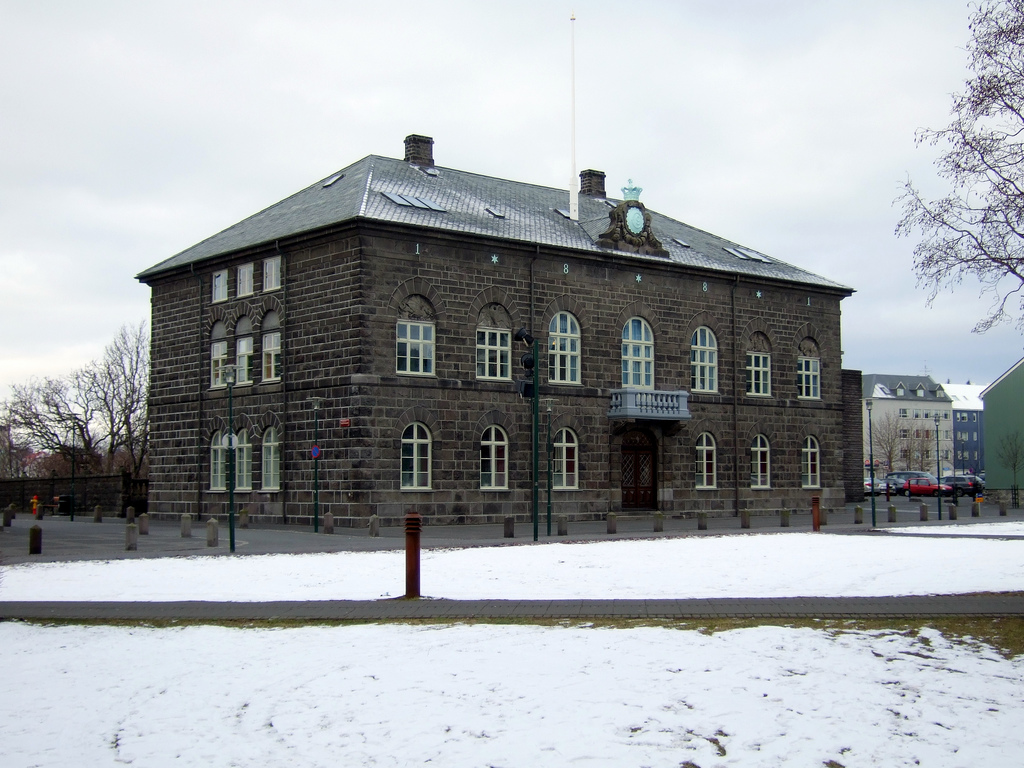
The Parliament, Althingi was founded at Thingvellir back in 930 up until 1799 when it was discontinued for some decades. Althingi is one of the oldest extant parliamentary institutions in the world. These days
In 1844 Althingi was relocated to the capital city and has be held here in Reykjavik ever since. The role of the Parliament has changed over the years but its main function today is to discuss and pass legislation. With 63 members voted by the public, they are refered to as ‘thingmenn’ which means People of the Althingi or Parliament.
The parliament is located in the heart of Reykjavik, in Austurvollur square. This square is the place to be in the summer time as the sun in shining and people gather on the grass. There are many nice restaurants to dine outside and enjoy the sun. At the centre of the square stands a statue of Jón Sigurðsson, the renowned figure who led Iceland to independence.
5. Harpa Concert Hall
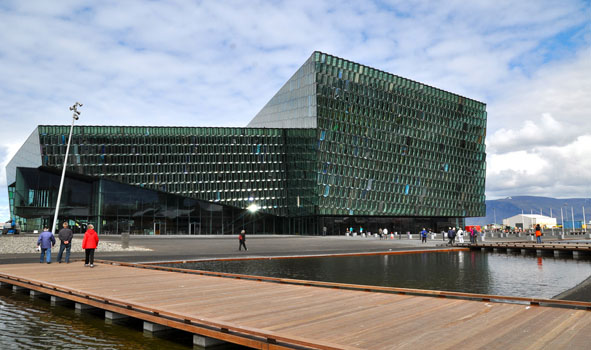
Harpa Concert Hall is one of Reykjavik’s most unique buildings. It was designed by a Danish firm in co-operation with the Icelandic artist Ólafur Elíasson. Harpa stand at the edge of Reykjaviks Harbour and is Icelands biggest concert hall suitable for a broad range of concerts and cultural events.
The interior and exterior are both stunning but the interior is worth a visit and walk around. There’s a nice café on the ground floor and a restaurant on the top floor. There are guided tours on offer and some great short cinematography shows worth looking into.
In winter the glazed facade is eliminated with a magical light show representing the Northern Lights.
6. The Old Harbour
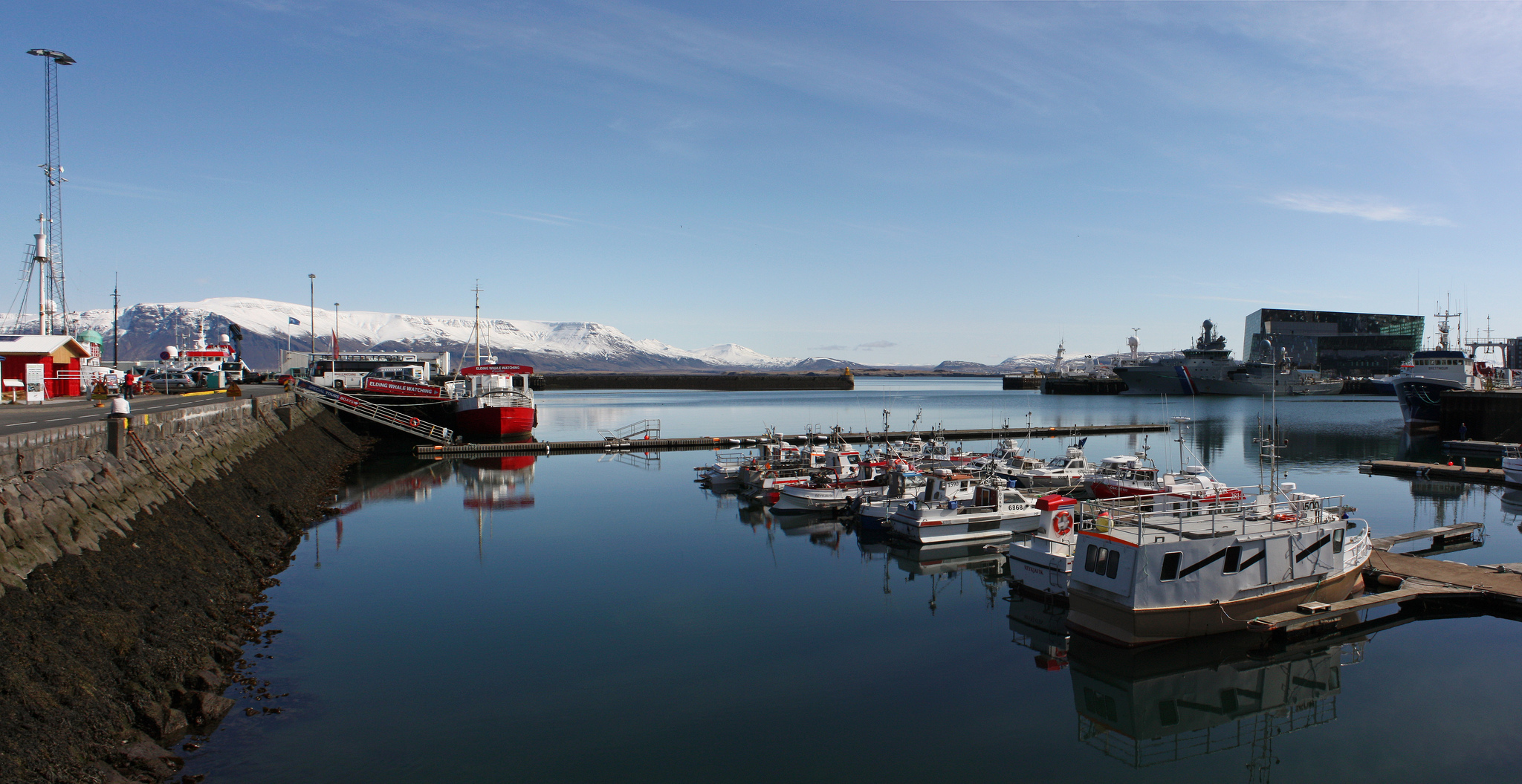
The old harbour is the first lasting harbour of Reykjavik and an area of great history. On the eastern pier you will find galleries, excellent restaurants, cafés and more. You will also find numerous whale watching companies willing to take you out to sea on unforgettable excursions. The atmosphere at the old harbour is friendly, the sea air is fresh, and there’s plenty of interesting activities to check out such as the Maritime Museum.
7. The Sun Voyager
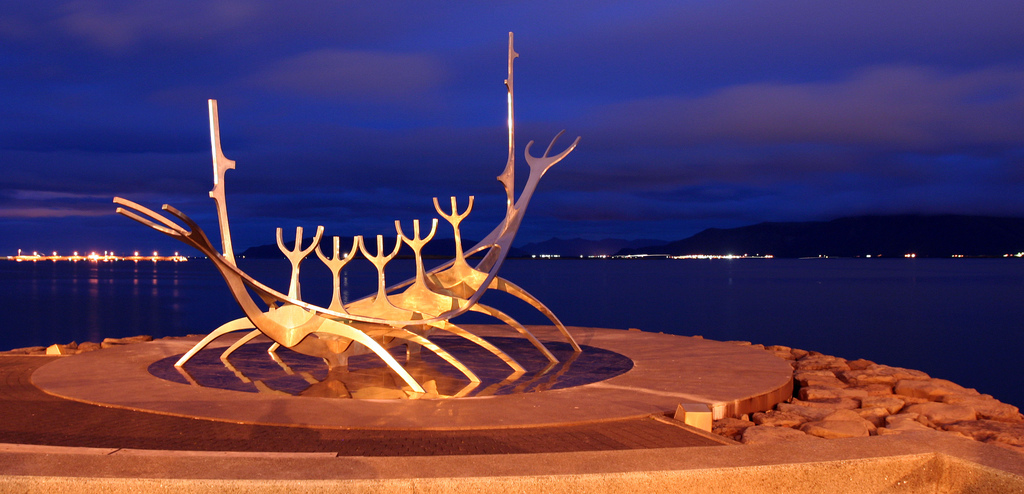
The Sun Voyager is a beautiful sculpture on the coastline, a short walk from Harpa Concert Hall. The sculpture by Jón Gunnar Árnason, serves as a reminder of the Icelanders history and heritage when the first Viking settlers sailed to Iceland. Designed as an ode to the sun symbolising freedom, progress, the promise of undiscovered territory and a dream of hope. The Sun Voyager is a lovely sculpture that has become one of Reykjaviks symbols.
8. City Hall
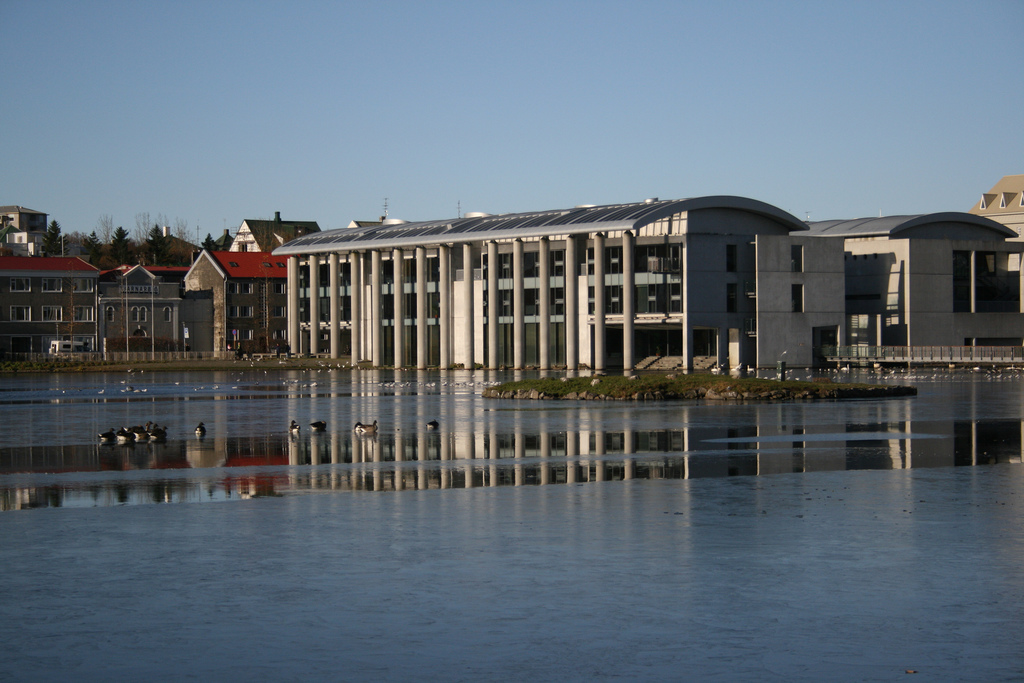
With an impressive modern design, the building sits right on the northern shore of Lake Tjörnin, The Pond. The building is also open to visitors, providing internet access and an information desk, exhibition halls and a cafe. Sit in the café and enjoy the magnificent view over the Pond, admire the birdlife through the huge class windows. Visit the galleries to admire one of the steady streams of new and exciting exhibitions. Make sure to have a look at the 3D map of Iceland in the entrance.
9. The Seaside
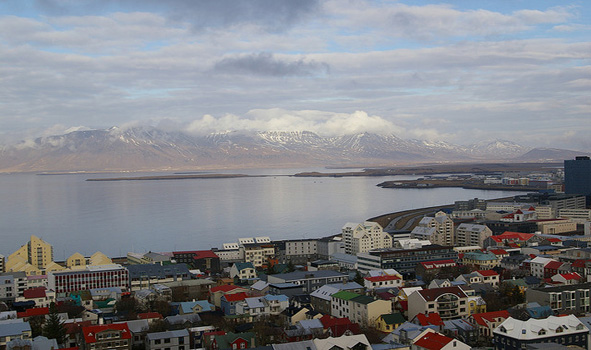
Wherever you are in Reykjavik you are never far from the sea and it’s refreshing to take a walk along the coastline. Ægissíða is a great place to walk. you might even see a seal swimming in the ocean. Grótta is another great place for a walk along the rocky coastline or black sand beach. The lighthouse is fun to walk out to but beware and check for high tide so you don’t get stuck. There is also a very small but cute geothermal pool where locals sit in and watch the sunset. Grotta is also a good place to check for Northern Lights at night.
10. Kolaportið Flea Market
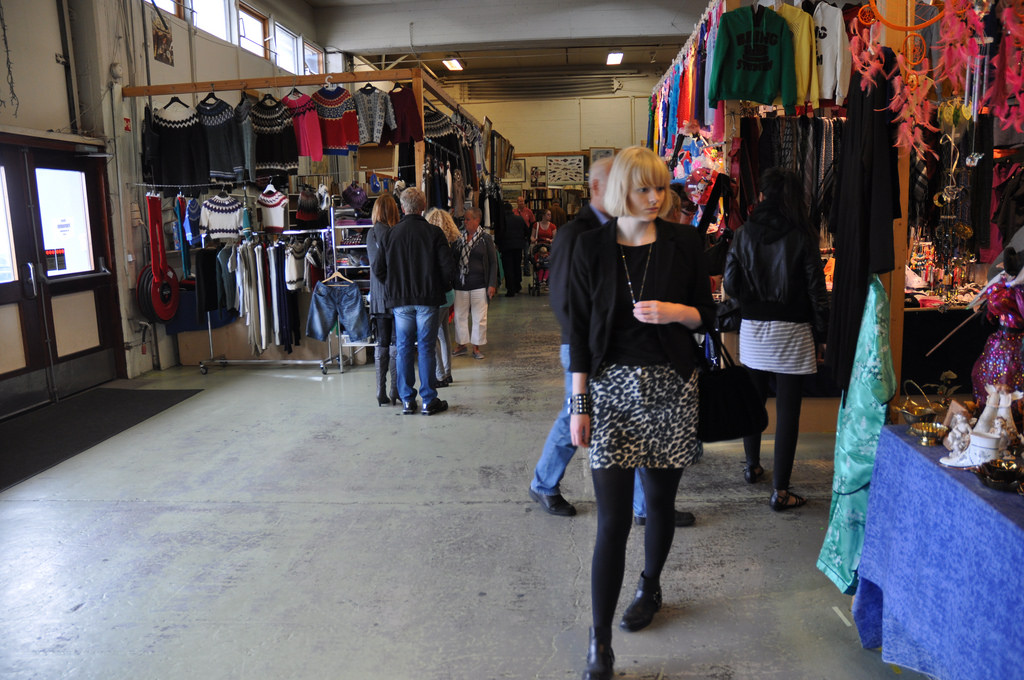
At Kolaportið Flea Market you can find almost anything. An indoor flea market so no need to think about the weather. It’s open during weekends from 11:00 – 17:00 and is fun to visit. The atmosphere is unique and the old industrial building is usually filled with people hunting for books or antiques, grocery shopping, selling old garments, buying music and DVD’s, or digging through piles of stuff in search of hidden treasures. We recommend bringing cash as the majority of stalls are unable to accept card. It’s a fun way to spend an afternoon in Reykjavik.
Festivals Made For Children
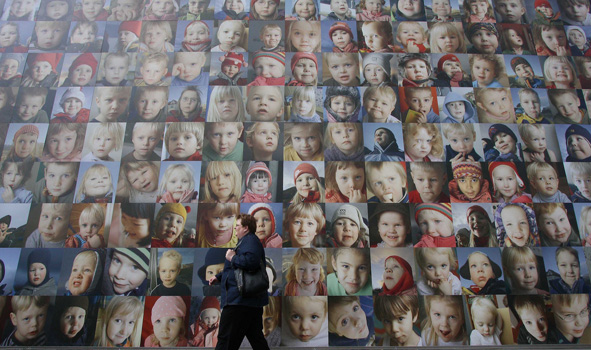
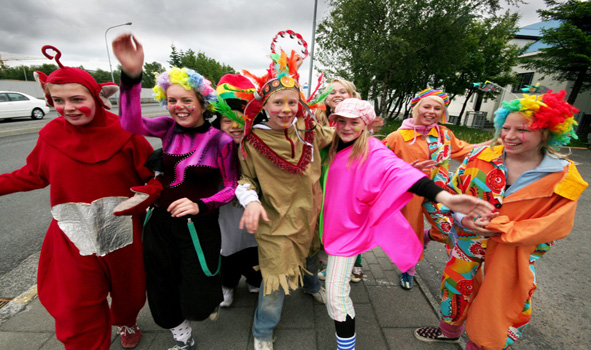
Iceland is known to have wide range of cultural activities, there are numerous festivities that all-family can enjoy, but there are also lists of festivals made for children. These events take place to gather the youth beautiful youth in Iceland and visitors are also welcome to participate. Literature plays an important part in building youth’s minds into better citizens as well as future candidates for leadership in Iceland. Cultural arts keep the young minds to focus on what is good and not to the dangers of future. Icelander kids are well rooted in their culture, which is why Iceland never runs out with fun events and festivities that are culture themed. As a matter of fact, they have preserved their culture in the same way they did with their nature. Attending such events with your kids in Iceland will get your children value more what is right such as; literature, arts, music and religion. Many of these events participants are international young artists that can bring inspiration to everyone both young and old.
Children Culture Festival – There are three aspects of this event and they are; children’s culture, culture for children and culture with children. This festival is one of the festivals that are made and are focused to children and those becoming of age. It is a week long celebration of music, arts, and cultural activities. The children are the once being highlighted as artists and it is giving a huge impact to every growing kids in Iceland. The festival includes; activities for children like theater workshops, visual arts, puppetry, circus, dance activities, music, film and storytelling. The institutions such as schools, libraries, theaters, museum and those with cultural aspects are full forced to give the event life. There are almost 150 programs and special events that you and your kids will be an audience of. This festival is celebrated in Late April.
International Festival of Children’s Literature – Another addition to the festivals made for children is the International Festival of Children’s Literature which is held biennially in the Nordic House in Reykjavik. The festival is traditionally named after Moorland where the Nordic House Stands. There are special focus of each event and are pointing out to Moorland like; Cat in the Moorland (in 2001 when it started), Magic in the Moorland (2004), then came; Kids in Moorland (2006), Ghost in the Moorland (held in 2008), Pictures in the Moorland (2010) and the latest is Food in the Moorland (2012). In this festival, children from Iceland and abroad are participating to reading, panels and literary programs, author discussions, lectures by scholars, exhibitions and workshops as well as culture programs.
Young Art Festival – As this festival focuses on young people who acknowledge their talents, this can be a great inspiration for your kids even if they are still on the development in discovering their own talents. Commonly called as Unglist, this is a unique and awesome experience to any growing up kid because it can bring out the best in them. The program is packed with music, fashion, photography, design, paintings, theater, and all concepts that are art related. This is definitely one of the festivals that are made for children aspiring to step on music and arts. This is held annually in November.
When it comes to culture and arts, Iceland is never at the end of the list. This is how they build their character and how they keep on smiling from every challenge they face. Indeed a country with so much to treasure and one of what they value most are their children. The Icelander parents way in developing their kids to be a better person is through these festivals made for children.
What I wish I had known
What I Wish I Had Known About Iceland
In recent years, the number of travellers visiting Iceland has increased enormously. Summer isn´t anymore the most popular time to visit Iceland, all other months of the year have also gained popularity. Even though many travellers arrive well prepared and have read a lot about the country, there are some things you just can´t find online and tourists wish they had known before arrival. We asked tourists what they would have like to know before they arrived. We have summed up a few of the answers for you so you will have a little extra knowledge when you arrive!
“I didn´t know how accessible Iceland is”
To many it is a surprise how easy it is to drive the ring road. You can make stops at so many lovely places, spend the night at various guesthouses and hotels around the country, and you can enjoy the country to the fullest in your own time. In winter the ring road is usually open. However, if you aren´t used to driving in snow and on slippery roads, then tours might be a better choice for you.
“I wish I had realized to bring normal clothing to wear in the city”
Icelanders dress very normally and it is like they almost ignore the cold. It is truly not necessary to wear hiking gear in Reykjavik and I wish I had known that before I arrived. It is not as cold as it can get in winter in central Europe as the air is dry, not humid. So, next time around I will pack some normal winter clothing to blend in with the locals and leave the hiking gear for the tours out in the country!
“I wish I had known that alcohol can´t be bought in supermarkets”
In Iceland there are special government run stores (called Vínbúðin) and that is the only place where you can buy alcohol apart from bars and restaurants of course. I wish I had known that it is closed on Sundays and on public holidays. So, if you want to buy anything – beer, red wine or something stronger – make sure you go to the Vínbúð during opening hours. If you forget, then your only option is your local bar or restaurant if you want a glass of wine.
“I didn’t know that bottled water in Iceland is the exact same thing as tap water”
I´m used to travelling and everywhere I go I buy bottled water. When the locals in Iceland told me I was buying the exact same thing as I would get from the tap, I was very surprised. I decided to try the tap water and to make a long story short, the locals were right. Definitely the best tap water I´ve tasted!
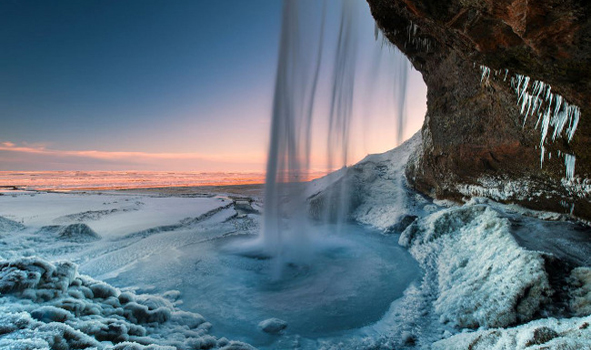
“I wish I had known how unspoiled the nature really is”
If someone had told me how the nature in Iceland is truly unspoiled, I would have definitey stayed longer and enjoyed some extra days out in the country. It is amazing how you can feel the nature all around you. It is unique!
“I didn’t realize how quickly the weather changes in Iceland”
It was a surprise how the weather chances quickly. You can get up in the morning and the ground is covered with snow. A few hours later the snow is gone and the sun is shining. You can even experience all in one day – snow, rain, sunshine, wind, no wind and hail! You truly need to be prepared for all sorts of weather, both in winter and in summer!
“All the beautiful photos online are real! The landscape and scenery is in reality truly breathtaking. However I never imagined how fresh the air would be!”
Before I finally decided to visit Iceland, I had browsed the internet and read book. All the beautiful picture you see are real. The scenery is breathtaking and the pure nature really blows you away. What I had never thought about was how truly pure everything is! The air in particular – not a hint of pollution, especially when you leave the capital. The air in Iceland is as pure as it gets I would say!
“I didn’t know how friendly Icelanders are”
I’ve often read that Icelanders tend to be cold and distant. After my trip to Iceland I truly can´t agree with that! They are very helpful, friendly and have a big heart. I wish I had known that so I would have used my time to get to know as many Icelanders as possible!
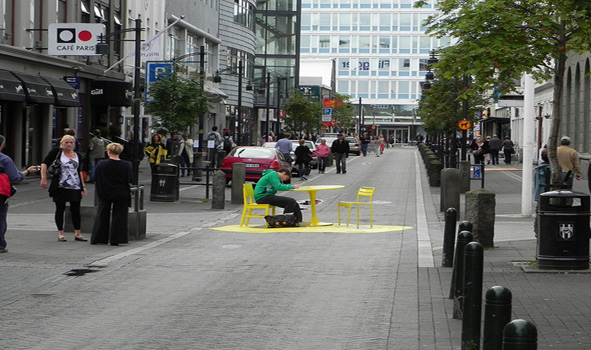
“I wish I had known that the main street in downtown Reykjavik is heated”
By the main street in Reykjavik, Laugavegur, you will find many stores and boutiques. What tourists don´t know is that in winter you can walk up and down the street without worrying too much about the snow and ice as the main street and the sidewalks are heated. I wish I had known that so I wouldn’t have gone shopping in my hiking boots!
“It would have been helpful to know how strong the sun is in winter”
Even though the hours of daylight in winter aren’t that many , the winter sun can be very strong so don´t under estimate it. If I had known that I would have brought some sunblock for my snowmobiling tour and sunglasses! I was though surprised how easy it was to find sunglasses and sunblock in Reykjavik in the middle of winter. I just went to the next pharmacy I found and got both.
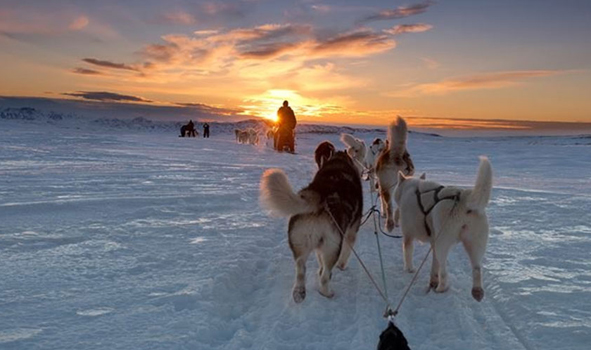
Winter Wonderland
Up until quite recently, winter tourism in Iceland was almost unheard of. Most people thought the only time to pay us a visit was during the summer for the midnight sun. Now that some of the low cost airlines have started to fly in and out of Iceland, things have changed and more people are now discovering our magical winters too. Even though the winter is very dark and the weather can be wild, there is nothing quite like experiencing this country under the night sky, with northern lights dancing above you. It really is a winter wonderland.
There are dozens of fantastic things to do and places to see during winter. It’s important to plan ahead to make sure you can fit everything from your bucket list into your time in Iceland. We’ve put together some great lesser-known options for a winter trip that are sure to give you the best experience possible.
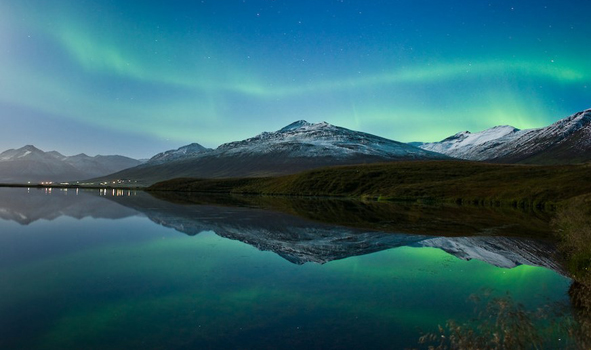
Multi-Day Super-Jeep Tour
For a truly unforgettable trip where you’ll be fully taken care of, a multi-day cross-country trip by 4×4 is a great adventure to take. You’ll experience every terrain Iceland has, from lunar lava fields to black sand beaches, cold glacial mountains to hot springs.
Typically lasting from 2 to 6 days (but can be longer upon request), this kind of tour is perfect for a small group of travellers who want to see as much as possible in an intimate time. Tour groups usually being 4 to 6 people and we use our own super jeeps and drivers.
Our expert tour guides have extensive knowledge and all the qualifications for your adventures in the country. These tours can also be arranged to take a variety of routes, depending on what sights you are interested in; Westfjords, south coast, highlands, etc. Private tours are great for flexibility. Contact us to find out more.
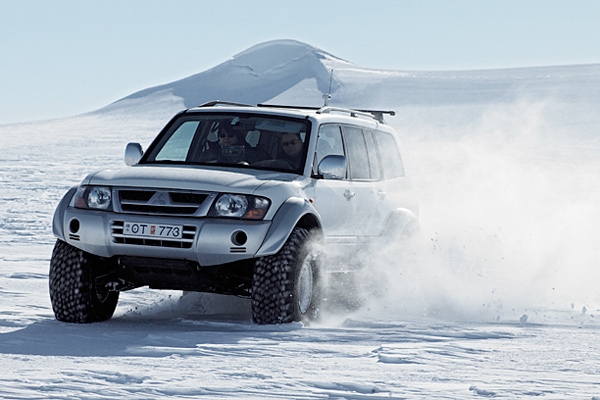
Jökulsárlón Glacial Lagoon & South Coast
The glacial lagoon,Jokulsarlon, on Icelands south coast is a place that truly has to be seen to be believed. No matter how beautiful a photograph you take, nothing compares to standing on its shore and taking it all in.
The lagoon is where icebergs, broken off from the great Vatnajokull glacier, float out into the Atlantic ocean. There is no better time to see it than in the depths of winter, when the icebergs are at their biggest and more dramatic.
Jokulsarlon is about a 7 hours drive from Reykjavik and makes a great 2 day trip, either by guided tour or self-driven. On the way to the lagoon, you will pass Seljalandsfoss waterfall where you can walk behind the waterfall, the beautiful Skogafoss waterfall, Reynisfjara black sand beach with its great basalt columns, and the site of the infamous Eyjafjallajokull volcano.
Time your arrival at Jokulsarlon right and you might get to see the northern lights reflect off the lagoon, surrounded by icebergs and seals playing. After you can stay in a number of lovely country hotels or guest houses in the region before returning to the capital the following day. We can help you book the perfect tour.
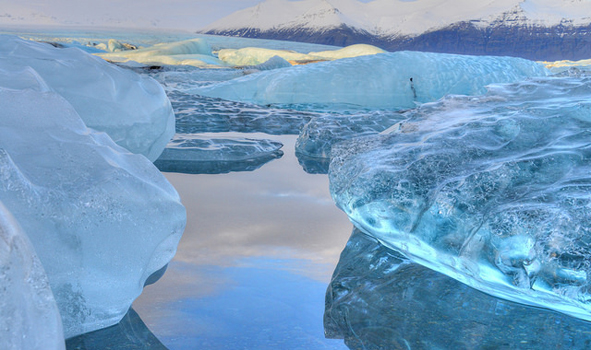
Lake Mývatn Winter Garden
Located in Icelands northeast highlands, this beautiful lake town is perfect to visit during the winter when its mild and peaceful.
The northern winters are lovely and scenic, Lake Mývatn in particular has some of the best natural sights and its remote location makes it perfect for looking for the northern lights. There is the great lava rock forest Dimmuborgir which was formed from an ancient volcanic eruption. Also make sure to check out the active hot spring field Hverir, the Lofthellir cave, Ludentarborgir crater rows, and of course, the lake itself!
Here you can also enjoy a soak at the Mývatn Nature Baths, the Blue Lagoon of the north, located up on a hill overlooking the lake. You can take a gourmet tour of the region trying all the local produce and visit the many farms of the area to taste real Icelandic country life.
Lake Mývatn is also known for being the mythical home of our thirteen Christmas elves, so it’s perfect for a great yuletide getaway.
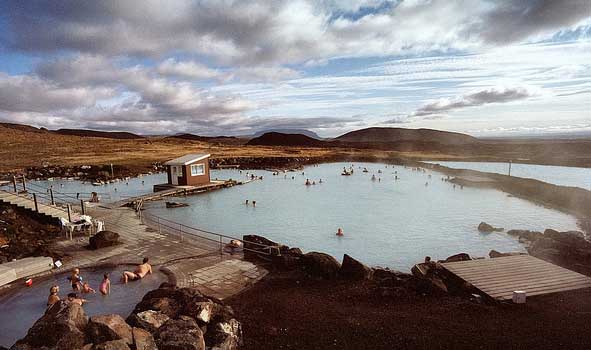
Getting Up On A Glacier
What could be better on a visit to Iceland than getting up close and personal with the glaciers that give us our name?
Going for a snowmobile ride on the second largest glacier, Langjokull (“long glacier”) is a thrilling adventure that will leave you with lifelong memories. Langjokull is located just a few hours out of Reykjavík and so makes for a great day trip. You need no prior snowmobiling experience and it’s family friendly, those without drivers licenses can be passengers. Snowmobiling trips can be tied into many other adventure packages or spend the evening on a hunt for northern lights.
If you want to get up on a glacier but snowmobiling isn’t for you, go for a climb instead on the Solheimajokull glacier on the south coast of Iceland. The trained guides provide all the gear and advice for trekking on the glacier. You’ll get a hiking experience like no other.
Surrounded by beautiful blue coloured ice, you’ll really feel Icelands magic. This glacier is also just a few hours from Reykjavik so can be easily combined with many other activities and tours. It’s always an option for a day out in winter as we can build it into your upcoming vacation.
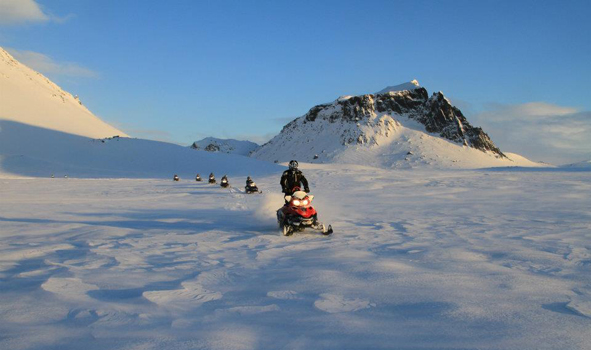
Going Down Into The Depths
While it’s really popular to climb to the highest peaks of the country to see Iceland from above, what lies below is not to be missed. The island is a geological marvel at every level and sometimes the best way to experience it is to go right inside it. There are several magnificent caves located right near Reykjavik that amateur speleologists can easily descend at any time of the year. Head to the Arnarker cave, Leidarendi cave or Thrihnukagigur crater to go down and experience the inside of this rocky island.
If you like water more than rocks, you’re in luck too. Head to the continental rift in the historic Thingvellir national park to go snorkelling in the Silfra river. This runs right between the North American and European tectonic plate divide. You’ll be provided with a dry suit and all the equipment by local guides who will take you on a gentle paddle through the place where the country splits into two continents. That is definitely something to check off your bucket list.
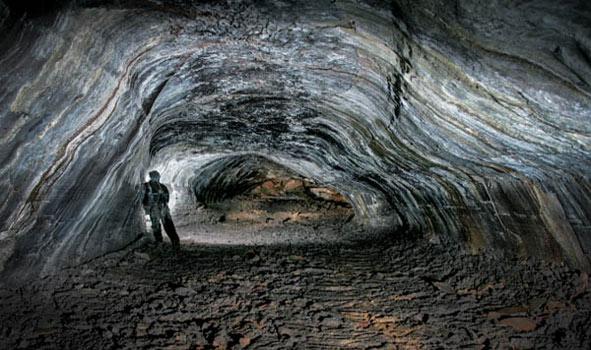
Welcome To Our Winter Wonderland!
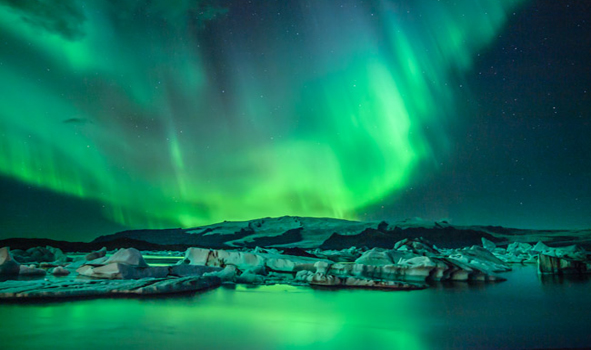
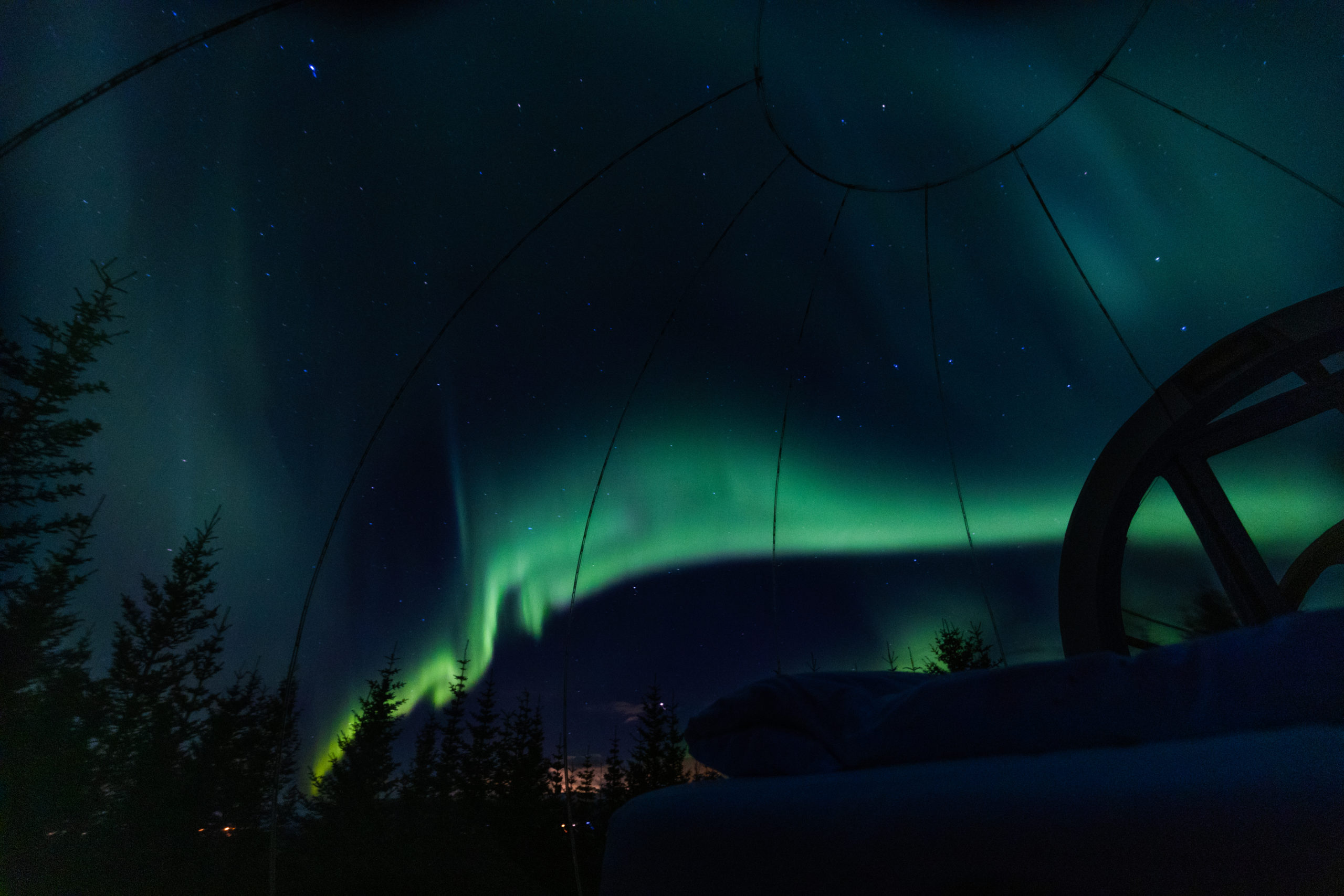
Northern Lights folklore and mythology: A collection of wonderous tales
Northern lights folklore and mythology have shaped our relationship with the aurora for centuries. Read on to experience a few of these stories, about what our ancestors believed the lights were trying to tell us.
Northern lights folklore and mythology across the world
One of outer space’s closest phenomena, the aurora has enthralled humanity for many generations. Cultures around the auroral oval (at both poles!) have crafted tales that influenced their ways of living, their idea of an afterlife, and the strategies that they utilized for warfare, survival, and worship. These were huge cornerstones in the lives of early people.
This attempt to understand an incredible force of nature is a thread that runs through many other ancient stories. You can imagine our ancestors grappling to live beside the power of volcanoes, terrible storms, thundering seas, and oddities that even today we struggle to comprehend. What vengeful gods were moving the Earth? What otherworldly exchange was taking place among them?
Auroral science is fairly fresh in the scheme of things, and it was not that long ago that we too puzzled at these lights in the night sky. Fortunately, we still have some of these stories to remember those early people by. And when you see an aurora for yourself, it is easy to see how these stories came about.
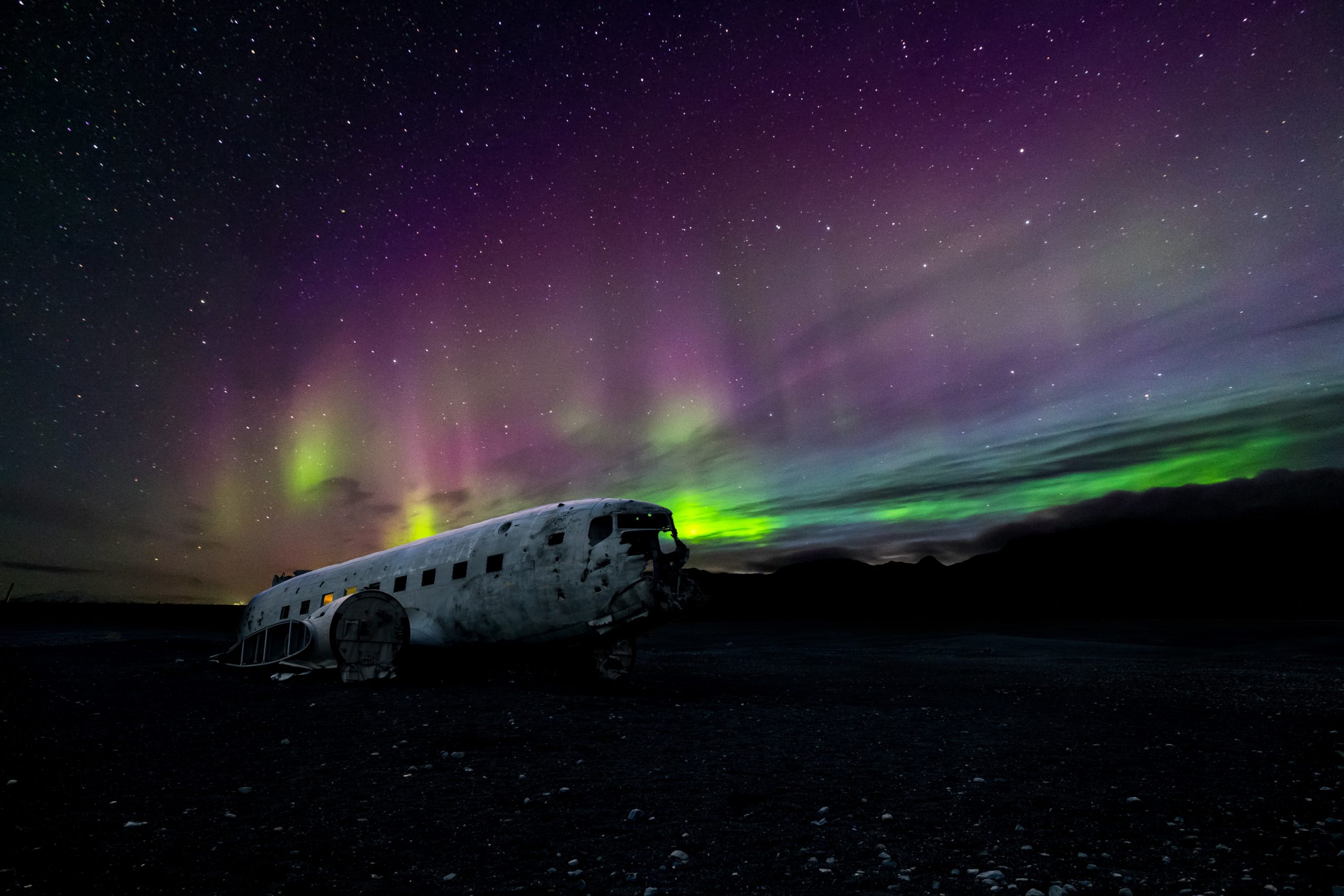
A thought to take with you on this journey
Oral folktales were humanity’s first way of conveying history, information, and news. Ancient peoples communicated this way, and passed these tales down in order to cement the foundation of their early cultures and beliefs.
Some of these stories were cautionary, some were fun, and others were deep wisdom crafted over many lifetimes. These stories were all meant to guide the living, sometimes even beyond the grave.
As you read forward, it is important to remember the medium of oral history, and how it worked. Some of these stories are nearly fossils, and some have changed and adapted over time. It may be possible that you know one of these stories in a different way, or even in a contrary way to how it is printed here.
The ultimate difficulty and gift of these tales is that both of those retellings can be correct.
Sometimes it is something as simple as a coastal dwelling people telling the story one way, and a more inland dwelling people telling it another- each within the same area of land! Some stories have changed details over time with many retellings, and some stories evolved differently depending on the groups of people telling them, and how they traveled.
A fascinating evolution of these stories lies in the movement of their people. With time, many more stationary groups of people moved and brought their cultures to faraway lands. In interactions like these, we can sometimes see the similarity or melding of stories, and in lands that share modern borders, we can sometimes see shared beliefs- similar to Russia and China, with their tales of great dragons.
The first storytellers that crafted these tales are long gone, but their legends have stood the test of time. An attempt to describe an incredible thing to our fellow man is at the core of the human experience, and it continues today.
As you read through these stories, feel free to share your knowledge of them with us. Have you heard them before? How were they different? Have you heard one that we don’t have recorded?
Part of the fun of these tales is in the telling, and the sharing of them- just like our ancestors would have done so long ago. Who knows what stories people will tell hundreds of years beyond us! In many ways, today’s magic is tomorrow’s science.
Italy: A name for the phenomenon
Though there are many recorded occurrences of possible auroral observance, the name that we use for auroras is credited to Italian astronomer Galileo Galilei. It is recorded that he saw the aurora in 1619 and believed at the time that they were rays of sunlight reflecting from the atmosphere.
He named the occurrence “aurora borealis” a Latin term referencing Aurora, the Roman goddess of the dawn, and Boreas, the Greek god of the northern wind.
To the Greeks, Boreas was the winged god of the north and the winter wind, and was one of the four seasonal Anemoi. You may recognize his name from the term ‘boreal’, which is a word that we commonly use to reference northerly places or the north wind.
(If we were discussing the southern pole’s aurora, we would call it aurora australis, or the southern lights.)
Galilei also included Aurora in this name, which has come to be the term that we use the most to reference this gift of nature. To the ancient Romans, Aurora was the goddess of the dawn.
Like many religious figures, she occurs in multiple polytheistic cultures by different names. Ēṓs in Greek, Uṣas in Rigvedic, and Hausos, the Indo-European origin from which she is thought to have come. (Being a bringer of light, it is not surprising to see her throughout the old religions of Europe, by the names of Aušrinė, Auseklis, and Ēastre.)
In the Roman belief, she was the sister of the Sun and the Moon, and the mother of the winds, or Anemoi. (Which gives the two words ‘aurora’ and ‘Borealis’ yet another interesting connection.)
Though the aurora was given these rich mythological names by Galileo, it does not necessarily mean that the ancient Greeks and Romans related auroras to these deities. Though a celestial occurrence, the stories behind these beings connect them primarily to the dawn and the northern winter wind.
In retellings of this story, individuals often name these cultures as applying their belief of the aurora to these deities, but it is important to note that it was Galileo himself that coined the name in 1619.
Greece and Italy lie below the Kp 9 region on the globe; making it unlikely that they would have regularly seen auroras, but certainly not impossible.
Early aurora observers around the globe
It is also interesting to note, that while Galileo is popularly credited with naming the aurora, he was not the only person watching the sky. History carries other stories of intrepid astronomers, some of which contest this claim.
Interestingly enough, a fellow sky observer and French philosopher, Pierre Gassendi is also credited in many publications as having named the aurora. He shared many of the same views and studies as Galileo, and may have seen the aurora as early as 1621.
Interestingly enough, he gave the phenomenon the same name. Due to written correspondence, some scholars wonder if they didn’t both see the same solar storm.
Despite this information, the truth is that the aurora existed long before there were people there to name it. According to NASA, one of the oldest existing mentions of auroral observance comes from China, in 2600 B.C.
This story is about Fu-Pao (Fubao) of the Youjiao Clan. It is said that she witnessed intense lighting moving around a star called Su from the constellation of Bei-Dou, lighting the entire area. In Chinese mythology, it is said that Fubao saw a “magical band of light” that caused her to become pregnant. She then gave birth to the Emperor Xuanyuan, a prominent figure in Chinese history and culture.
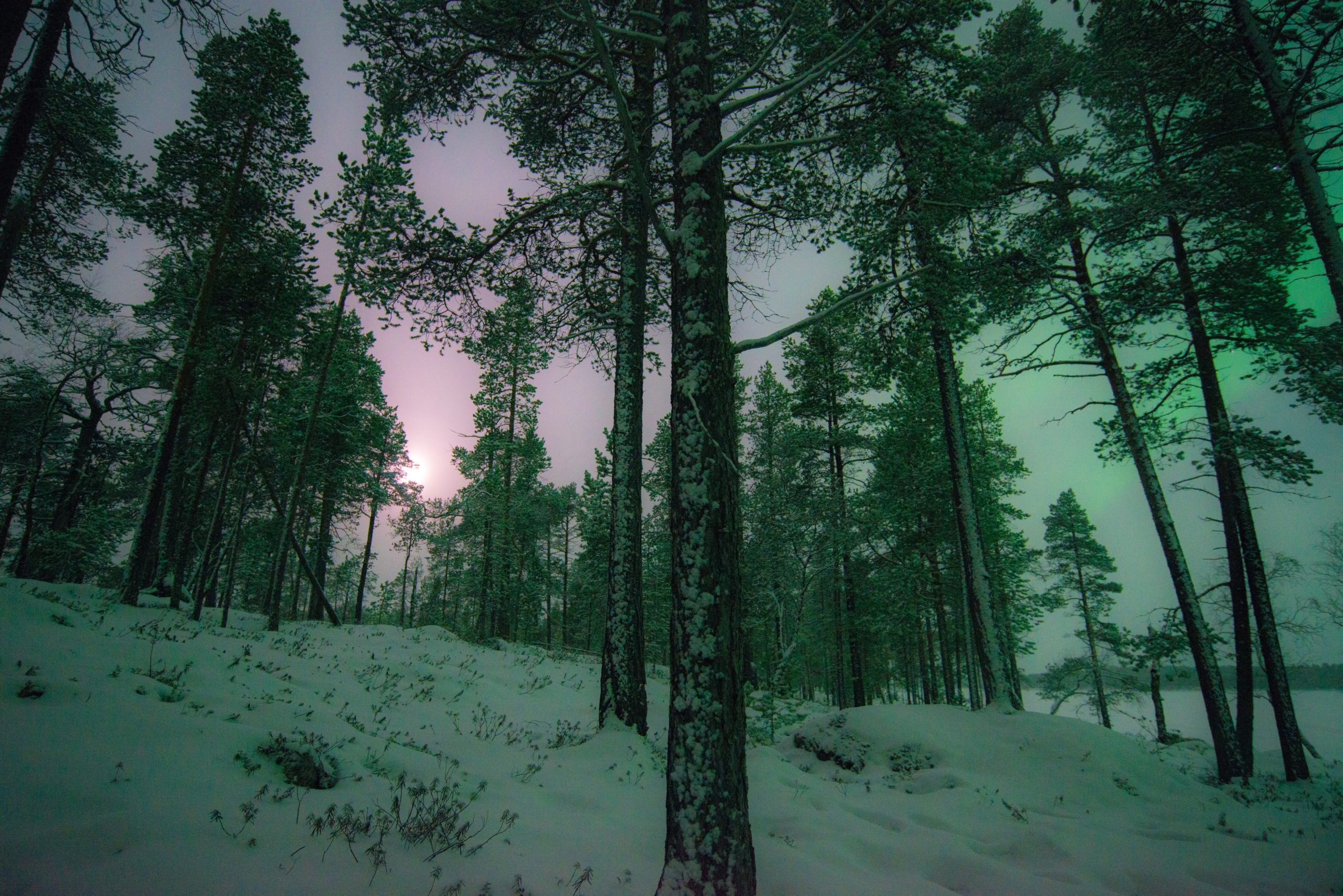
Below the oval: Lights in the heart of western Europe
Though rare, it is possible for strong auroral activity to make its way further down into mainland Europe and the continental United States.
We don’t typically relate northern lights with these areas, but in earlier times before the advent of electric light, dark skies were more readily available, and the mystery of the northern lights was a bit easier to see.
Stories from these regions have come from as far as the Middle Ages, though a few of them are as recent as the 1800’s. Many say that people in Western Europe considered the northern lights to be a warning, or a bad omen signaling oncoming hardship.
A sighting of the aurora could mean plague, death, or war. This may have been due to the colors people would have seen during these occurrences.
For the northern lights to reach so far from the pole, the strength of the activity would have been fairly high. Strong activity has the potential to take up more space in the atmosphere, and reach more pockets of nitrogen and oxygen- making it possible to create a more colorful show.
Typically auroral activity is green, but activity that reaches unusual heights can display rare colors like red and yellow.
This could explain why Europeans have anecdotally considered the light a harbinger of bad tidings or strife. We can begin to see this in the many tales of blood-red steaks in the sky before notable battles and events.
There are tales that the red lights were visible in the skies above Scotland and England weeks before the French Revolution. Some even say they saw auroras during the time of the Franco-Prussian war, which were believed to be reflections of the bloodshed that had happened there.
Among these tales are many others like them that coincide with fighting in Finland, Ireland, and even the United States. There are few cultures that we know of that have seen red auroras and did not imagine them as the voice of a vengeful god or a messenger of terrible news.
Auroras of any variety are magnificent, but it is not hard to imagine the fear that a red aurora must have inspired in older times. Even today, a red aurora is shocking to witness.
On a more positive note, not all Europeans saw doom in the face of the northern lights. The Scots, for instance, called the lights Na Fir-Chlis, ‘merry dancers’, and ‘the Nimble Men’. They believed that the lights depicted fallen angels or great warriors embroiled in an otherworldly battle.
The speed of their movements could also hint at oncoming weather. Quick, jagged movements could mean an unruly forecast, while fluid, slow movement could mean a calm and mild one. Many cultures used the skies to predict the weather, so it’s no wonder that they looked to the auroras as well as the stars and clouds.
But as proof of the dancer’s brawl, blood was shed upon Scottish earth. In the Hebrides, one can find Heliotrope or Bloodstones.
There are many stories about their origin, shared across many cultures- but some say that the specks of red in the green stones are the splashes of blood from the dancer’s battle. Blood spills from their onslaught and falls to earth as stones. A gift of nature, within another.
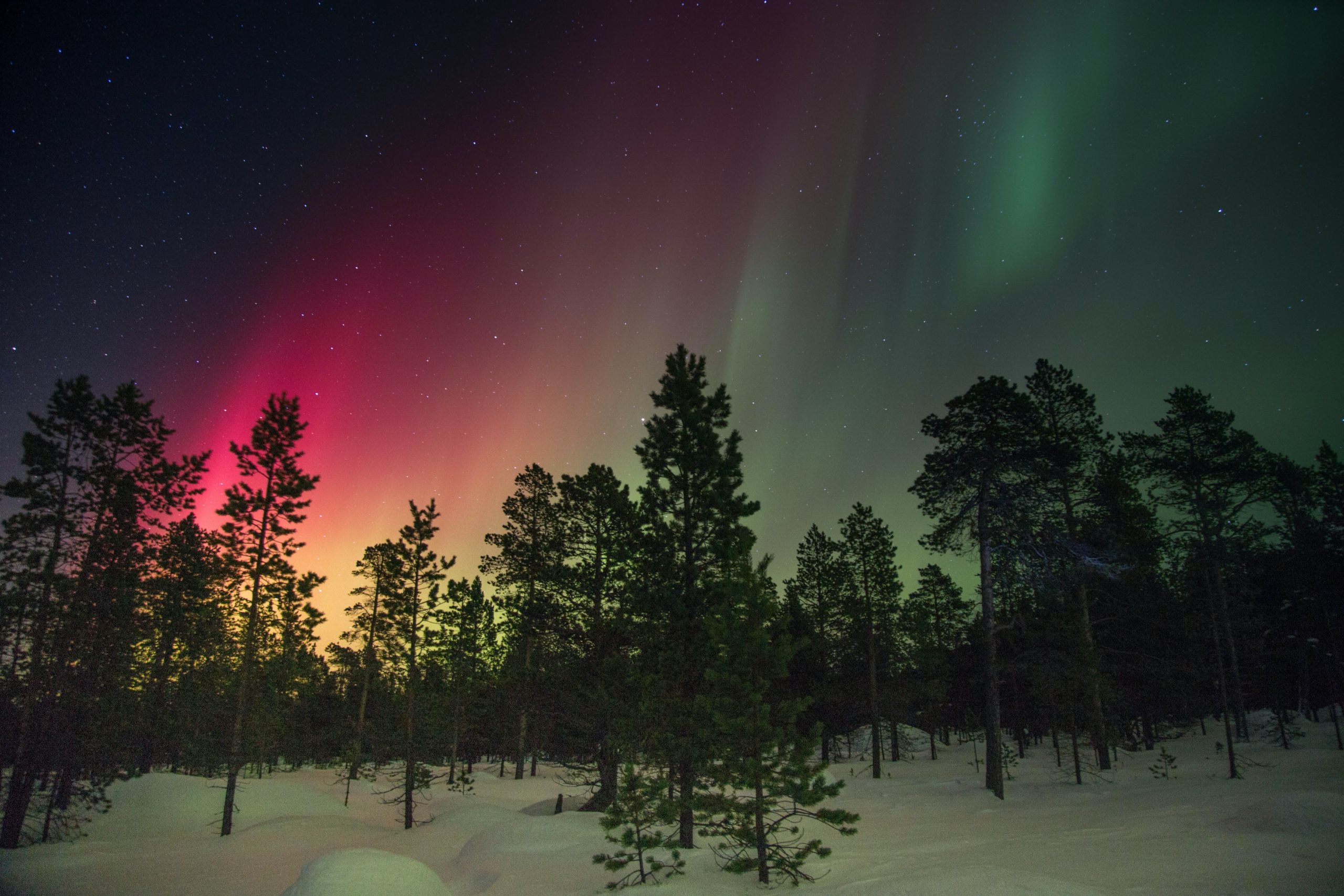
The Aurora Australis: fire in the southern skies
We do not have many tales about the Aurora Australis, as the majority of the land close to that pole has been uninhabited for much of history. (If those penguins could talk!)
But fortunately, on a good night, there are a few neighbors nearby. Most visibility of the Southern Lights occurs in Australia and New Zealand.
Indigenous Australians have many stories and beliefs that involve the dancing lights, even including a report of hearing noise during an occurrence.
This report took place in 1851 near the town of Hobart, where Indigenous peoples said that the aurora made a sound like “people snapping their fingers”. Today, some people do report hearing sounds during an auroral occurrence, but it is an aspect of the lights that is still being studied.
Many of these stories are interestingly similar to stories found in Native American cultures. The lights occupy an important place in storytelling, and the understanding of omens and ill tidings.
Often, the aurora was a message from a deity or a cosmic warning to stay in line. The Dieri believed that an aurora was a sign that someone was being punished for breaking the law.
This echoes in the story of hunters near Uluru killing a scared emu. This was an infraction of Pitjantjatjara law, so when they saw the aurora they knew that it meant punishment had come for them.
The Gunai people tell of a ancestor called Mungan Ngour, who put forth rules for men and their initiation into society. If people spoke of the sacred details of these proceedings, Mungan Ngour would send down fire from the heavens. This fire, was the aurora.
The color of the aurora could also be a key factor in the way that these stories evolved. For many Indigenous people, a red aurora could signal blood, or trouble.
Similar to stories from Europe, these crimson flashes could mean that a great battle was being fought in the sky, or that spirits were ascending to the heavens.
Many Indigenous people, like The Dieri and Ngarrindjeri people of South Australia, believed that the Southern Lights were great heavenly fires.
The Gunai people of eastern Victoria believe them to be bushfires in the realm of spirits, and harbingers of difficult times. While nearby, the Gunditjmara people of western Victoria call them ‘Puae buae’, which means ashes.
Further south, they say that the lights are the “feast fires” of the Oola Pikka, who are otherworldly beings that communicate to their Elders by creating the lights.
Even further south still, are the Maori of Aotearoa/New Zealand who call the aurora Tahunui-a-rangi, which means “Great glowing of the sky”. They say the Aurora Australis and believed them to be light reflected from the torches and campfires of their ancestors who had sailed south, and settled there.
The lights were proof that they had made it, and would return to them one day. Stories like this are told amongst the Algonquian people in North America, and are a comforting way to hold space for those in one’s life that have ventured far from home. Imagining the reflection from their home fires is a closeness that many never felt in life.
Ancient tales: glowing skies in China and Japan
Some of the oldest recorded work mentioning the Northern Lights comes to us from China. A place of copious art and text, China is a great source of preserved mythology and early science.
Many say that early depictions of colorful sky dragons and curved celestial serpents in historic Chinese media are meant to convey early sightings of the aurora.
This theory is reflected in the Shanhaijing (Shan Hai Jing), a recorded collection of mythical creatures. There are multiple serpents named in this book, including the Zhulong, mentioned in the “Classic of the Great Wilderness: North”.
Chinese scholar Ming Hua Zhang believed that this entry may be referencing the aurora, due to the description of the creature.
Described as red in color with a humanoid face and a serpentine body a thousand miles long, the Zhulong was said to be the deity of Zhong Mountain. With a name that means “Torch Dragon” in English, Zhulong was responsible for creating the day and night cycle, and also seasonal winds.
Descriptions similar to this come up in other ancient works and bestiaries, especially as there was not one central term to describe the phenomenon.
Instead, specific terms were used to describe the shapes that auroras made. These resulted in names like: “”Sky Dog (“天狗”)”, “Sword/Knife Star (“刀星”)”, “Chiyou banner (“蚩尤旗”)”, “Sky’s Open Eyes (“天开眼”)”, and “Stars like Rain (“星陨如雨”)”.”
It is interesting to note, that these stories of dragons are not specific only to China, but also their neighboring country, Russia. One can imagine how stories like this might develop and travel with the movement of people over time, growing and evolving throughout a region.
But dragons aren’t the only bearers of light in China! There are also stories about Fu-Pao (Fubao), the mother of the Yellow Emperor. Fu-Pao played an important role in Chinese culture, and it is said that looking upon the aurora (or possibly a bolt of lightning) is what caused her to conceive the Emperor himself.
Some say that it is a belief in China and Japan that a child conceived under the Northern Lights will have good fortune or be very beautiful, but there is not a great deal of proof that this is indeed a story that originates from these areas. Though, it would have many parallels with Fu-Pao’s story, if it were!
For visitors to China today, it is still possible to view the aurora in the northern city of Mohe. One can even visit the nearby town of Beijicun, the “North Pole Village”.
This area hosts a popular Polar Lights festival where thousands of people travel to test their luck at catching a glimpse- and perhaps even today, can be called a true home of dragons.
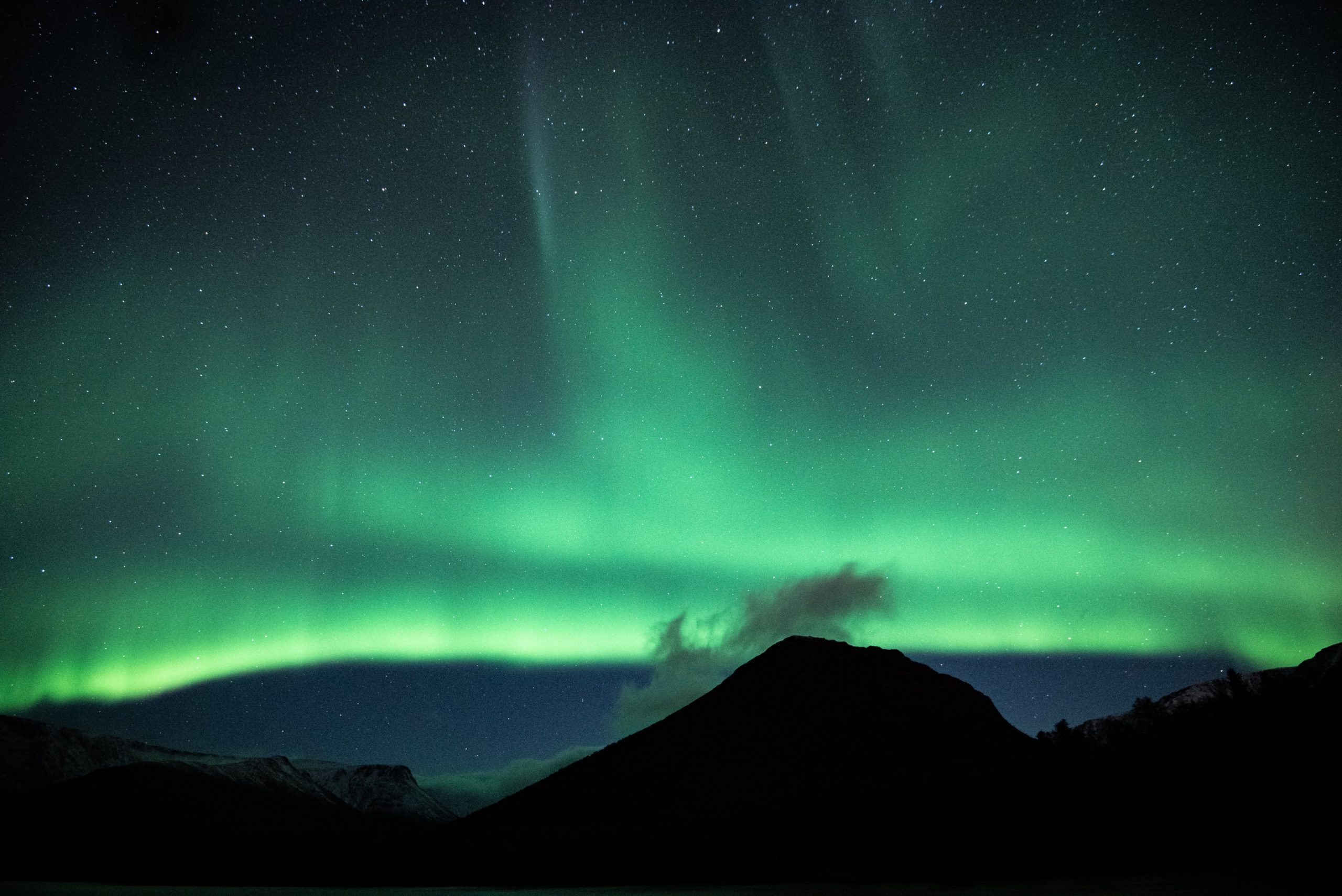
The vast skies of polar Russia: Here be Dragons
Across the way from nearby China, lies another land of dragons. Russia is home to a fan favorite as far as Northern Lights tales go, the story of the fire dragon that seduced a whole village.
This story seems to be told differently depending on the area you’ve heard it in, but the structure of it is much the same.
In the wintertime of the year, the menfolk would leave to hunt or participate in long-term battles. During this absence, the great sky dragon would descend and seduce all of the women who had been left behind.
Some versions of this story reference a watchman, left by the other men who had been charged with preventing this sort of trouble- but upon their return, he had to report that it was certainly not him who had fathered all of these children, but the great dragon himself! Which was cause for much celebration. Sounds like a myth within a myth, if you ask me!
Like many cultures, the wonder of the aurora is often linked with childbirth and the mysteries of existence. In Siberia, it is said that some people believed that children born under the lights would be blessed with a long and fruitful life.
The Chuvash people were also said to link the aurora to birth- but rather that it was proof that their god was busy helping women in childbirth.
There are many Indigenous stories as well that the lights may be past ancestors making merry or riding horses across the skies- sometimes accidentally spilling blood, and thus blessing people below with the aurora.
Stories like this are widespread across the globe, and it is interesting to see how ancient peoples used to believe that the aurora might be the byproduct of activity in a spirit realm- when we know today, that it is a byproduct of virulent weather in space. In some ways, these ethereal beliefs maintain some of their truth, even now.
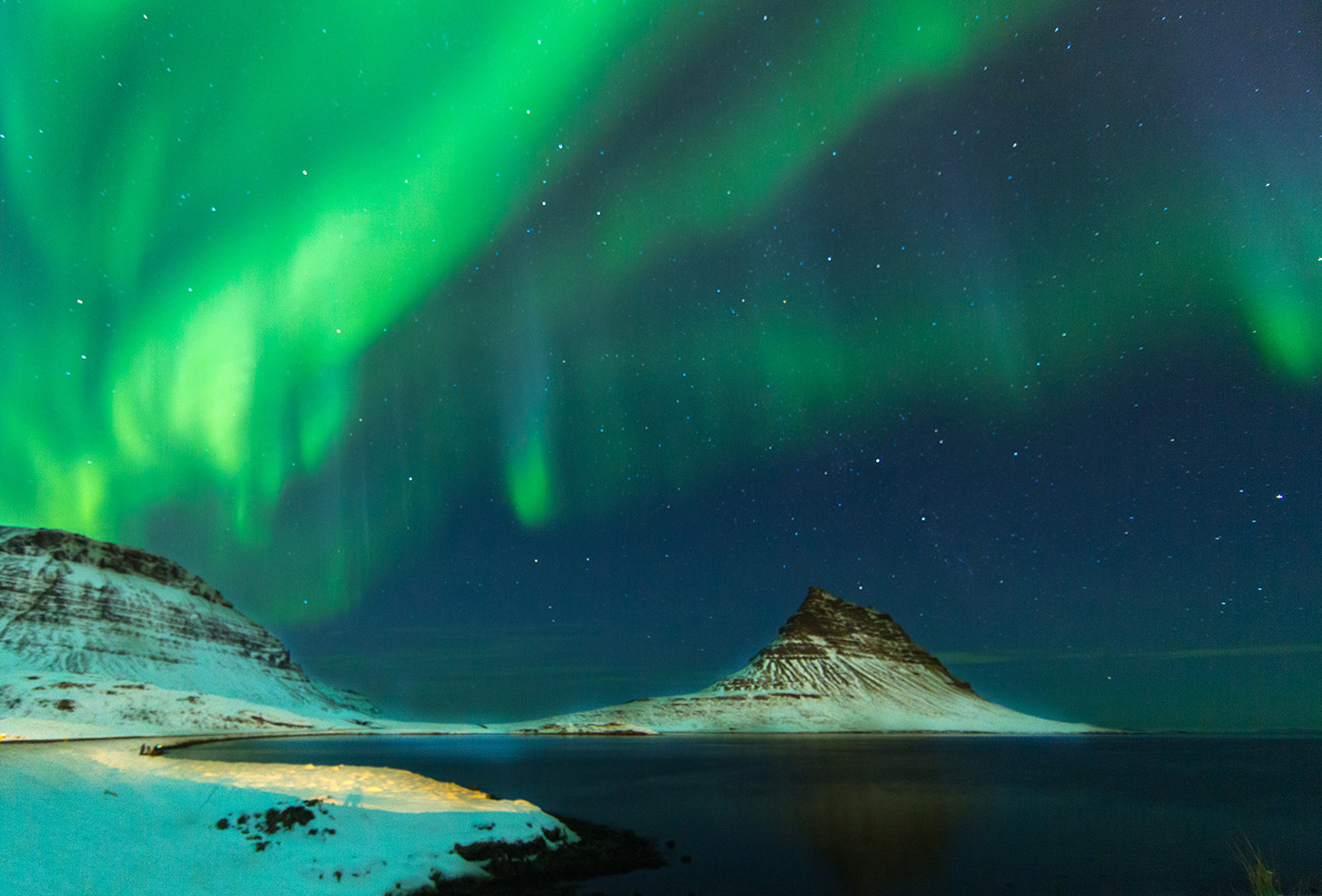
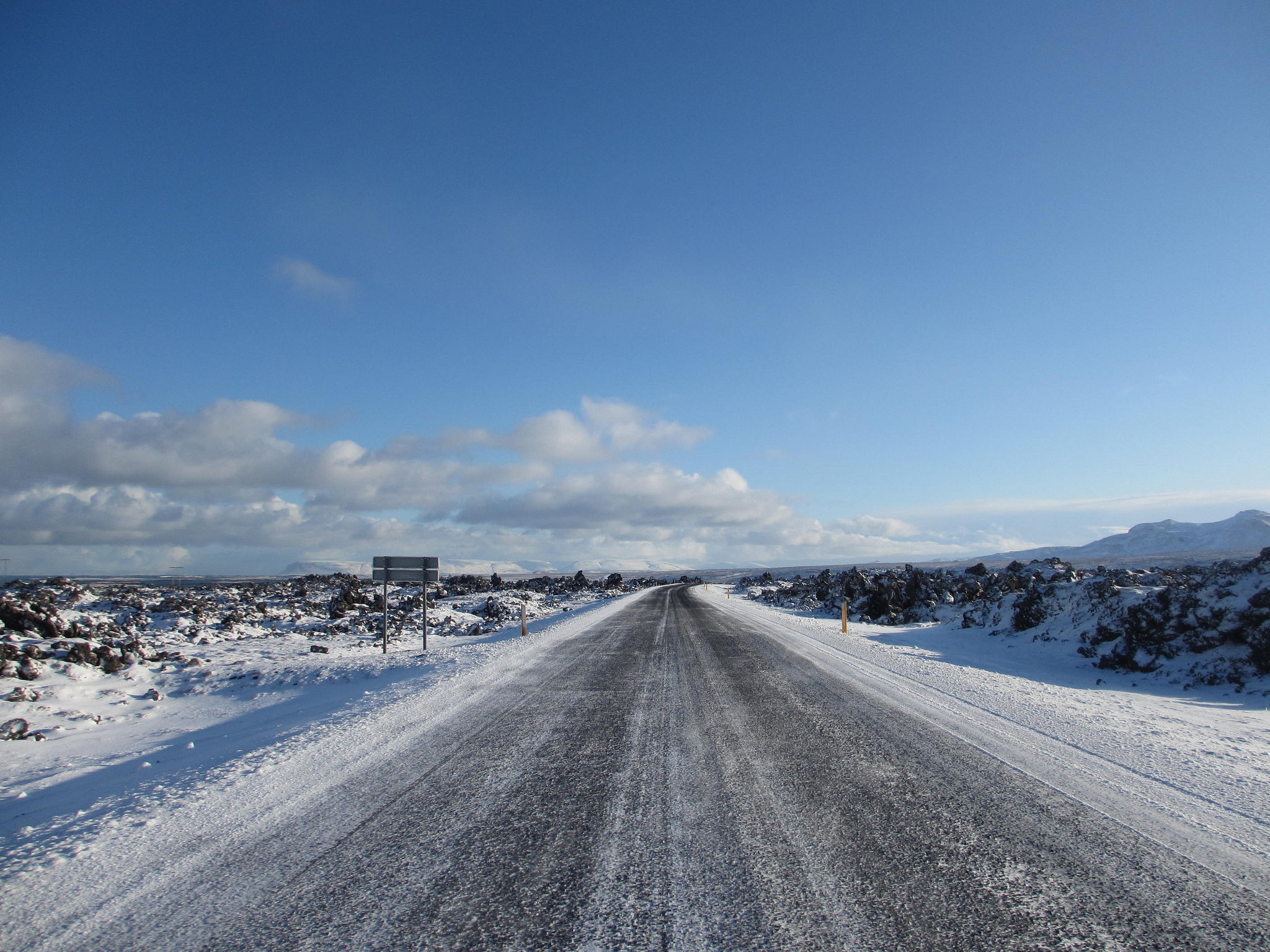
Driving in Iceland
Driving in Iceland
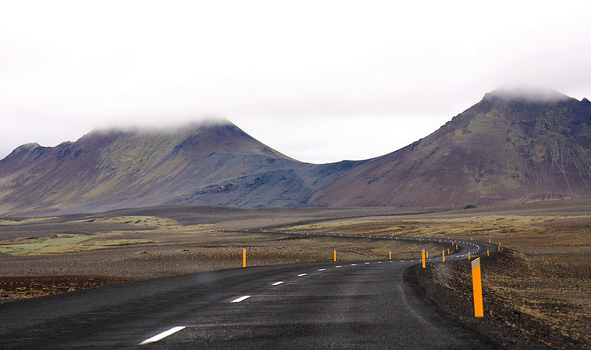
When visiting Iceland and planning to self-drive to all the wonderful places or to chase the Northern lights, there are several things you need to know before you get behind the wheel. Please take note of the following safety precautions before you start driving in Iceland.
Although Icelanders are known to be hospitable, the Icelandic climate and nature may not be, especially if you tend to visit Iceland during winter. In order for you to get along with Icelandic weather and the nature, you have to stick to some strict guidelines and policies to ensure the safety of everybody. Icelanders follow them too, so as a tourist you should respect the rules to fully enjoy your visit without having any accidents.
Never Ignore Rules and Restrictions
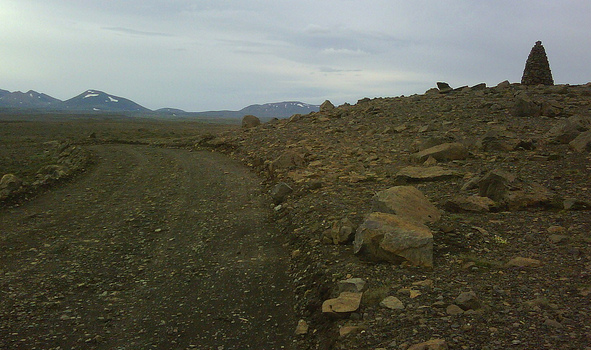
Driving restrictions are implied in Iceland for everyones safety. Never ignore these restrictions. Here are some points to keep in mind:
- Driving off-roads, and driving on marked tracks, is strictly forbidden.
- Stay in your lane.
- Always wear your seat belt.
- Driving while drunk or under the influenced of drugs will instantly put you behind bars.
- Talking on your mobile while driving is prohibited unless you have a headset.
- Drive slowly on mountain roads, roads with loose gravel and on national highways with a long stretch of asphalt to prevent tire slip. When the road changes from paved to gravel, you should also decrease your speed.
- Mountain roads are usually very narrow and winding so keep your speed down to avoid falling off the cliff.
- Never speed, even if there are no police around.
- Sometimes you will come across old and narrow bridges that only one car can cross at the time. When a car is coming from the other direction, stop your car and let the other car cross the bridge before you.
- There are lots of blind summits in Iceland so keep driving in your lane, on the right-hand side of the road, and be aware of other cars.
- Never drive too long during summer where the sun shines for 24 hours. Some tourists forget about this because they are used to using daylight and darkness as symbol of day and night. This is one reason why accidents in Iceland occur, tourists can drive for too long and accidentally doze off while driving.
- Icelanders care for their animals safety so keep in mind that if you see sheep or horses crossing the road, always let them cross first. If you hit them, you have to pay a fine or you could end up in jail. Better safe than sorry.
2WD vehicles are not allowed on road number 35 in KJÖLUR, road number 550 in KALDIDALUR and other roads that are marked F on Icelands official maps. You can get maps at gas stations, local tourist offices and in bookstores in Iceland. Please respect these rules and guidelines as they are to avoid any accidents. Drivers that do not comply with these rules, will have their insurance revoked and in many cases of accidents, whether it’s the driver driving 2WD fault or not, it will still be the one to be held reliable.
Other Useful Information
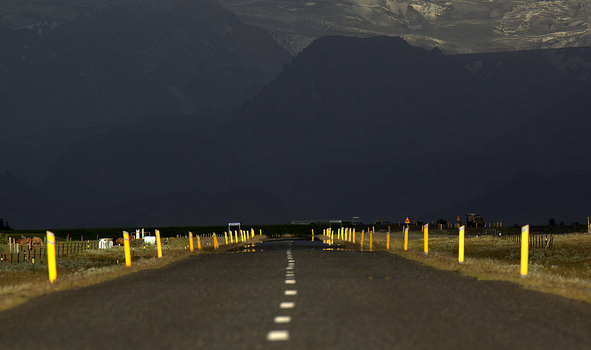
General Speed Limits
Here are the general speed limits in Iceland although there can always speed signs on the sides of the road too. It’s useful to memorise these:
Urban areas – 50 km/h
Rural areas (gravel roads) – 80 km/h
Rural areas (asphalt roads) – 90 km/h
Headlights
Motorists need to turn on their headlights all the time. Remember, there will be times that the sun does not shine in Iceland, even during daytime, so keep them turned on at all times.
Gasoline / Petrol
Petrol stations are open until 11:00 pm / 11:30 pm in most areas of Iceland. In Reykjavik, gas stations are open from 7:30am to 8:00pm during weekdays and Saturdays. On Sundays they are open from 9:00am to 8:00pm. You can also find self-operated pumps at gas stations in Reykjavik that you ca use after closing time. They accept all major credit cards.
Insurance and Valid Driver’s License
If you are driving your own car then you must bring with you your “Green Card” or any third-party insurance proof. There can be exceptions on countries in Europe.
Always bring a valid drivers licence.
Mountain Roads
You can only drive on mountain tracks when you are driving a 4WD vehicle. It’s advisable, sometimes required, that two or more vehicles need to travel together. Please be aware that mountain tracks are slippery during winter period. Always ask the local tourist information offices about road conditions and check the weather forecast before you start your journey.
You will find many car rentals in Iceland where you can find a car that suits your needs, offering different car types for different budgets.
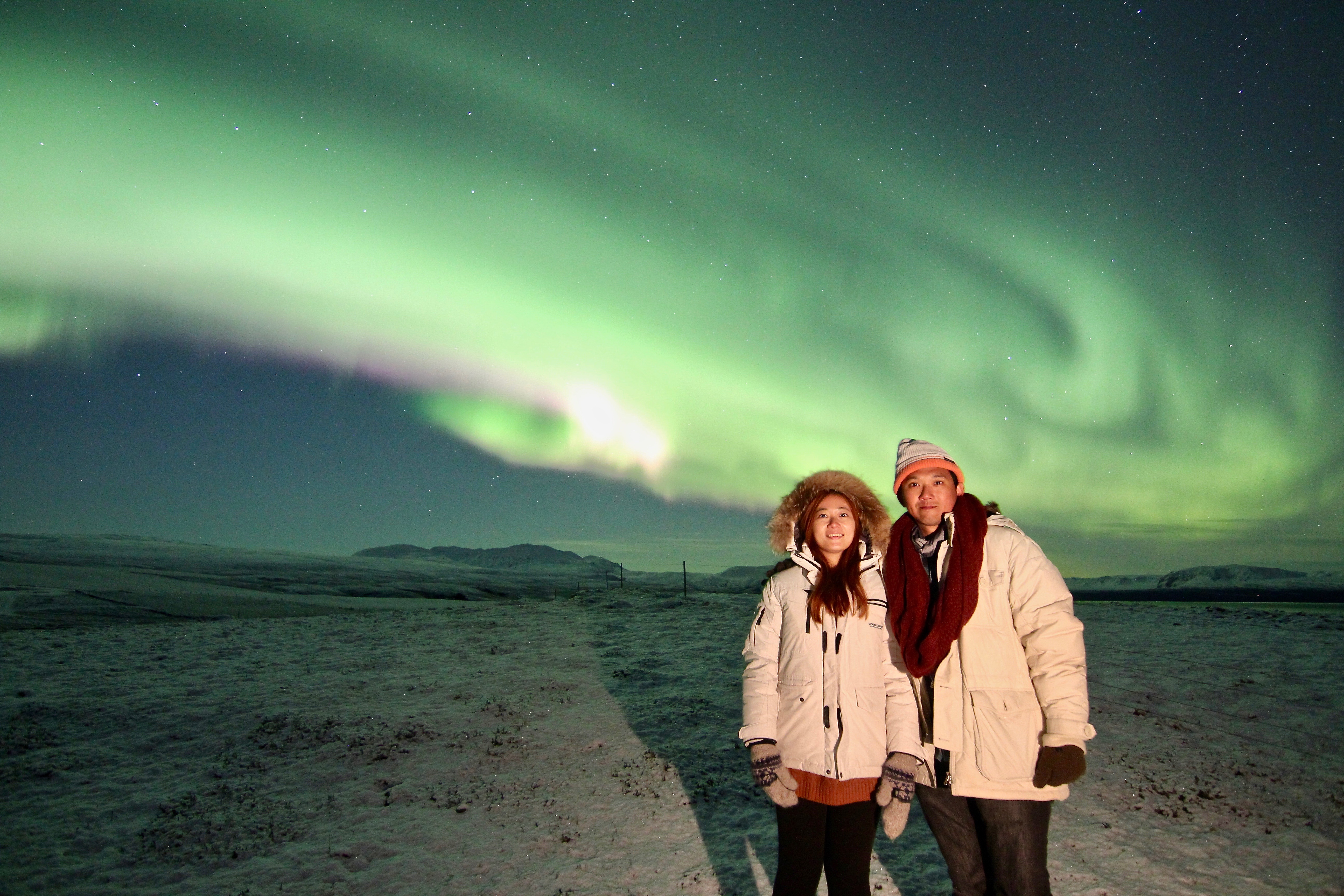
What To Wear In Winter
What to Wear in Iceland in Winter

As you already might know, the weather in Iceland is unpredictable. Therefore it is often difficult to decide what to pack for a trip to Iceland. Here are few guidelines on what you will need during your stay:
Dress warm and layer up!!
Warm Coats

Warm coats/parkas are a must in winter. If you don’t have one then we strongly recommend you get one before you arrive or you can buy one when you arrive. A waterproof outer layer is vital. Downtown you will find the shopping streets of Bankastraeti and Laugavegur in the city centre and there are two shopping malls on the outskirts; Kringlan and Smáralind. You will find Icelandic stores with outdoor clothing for the whole family. We recommend 66North, Cintamani, IceWear and ZO-ON.
Accessories

A warm coat isn’t enough, you’ll also need to bring or buy gloves/mittens, a scarf, hat and warm socks. Wool socks are ideal as they will keep your toes warm no matter how cold it gets. If you are planning on going out whale watching or snowmobiling, etc then keep in mind that it will be much colder than in the city.
Shoes

Icelandic weather is a little unpredictable and changes often. When the sidewalks are clear, trainers or even winter boots with heals can be ok. However, when it becomes slippery or the sidewalks and roads are covered with snow, you will want shoes with a good grip. If you can get the cover-the-shoe ice grips then bring some but you can buy them here too. When going on tours outside of Reykjavik city, make sure yo wear good walking shoes or hiking boots.
Sunglasses and Sunscreen

Sunglasses and sunscreen are probably the last things on your list for a vacation in Iceland but nevertheless it’s a must. The sun doesn’t go very high in winter and it is very strong, not to mention when the ground is white with snow (reflection). Protect your eyes with sunglasses whether you are in the city or out in the country.
Protect your skin with sunscreen when you go skiing or on a snowmobile on a sunny day, even though the temperature is well below zero. Last but not least, when the sun is coming up or going down in winter, it is very strong and can make it hard to see where you are driving so you will be glad of the sunglasses. These don’t need to be anything special but will help with the glare.
Sweaters and Pants

Warm sweaters and trousers with leggings or a thermal underneath is a good idea if you are going up to the mountains or will be spending time outdoors. Reykjavik has some quirky stores and boutiques with Icelandic designs for both men and women. Lopapeysa, the traditional Icelandic woolen sweater, is a classic and makes for a great souvenir – it will also keep you very warm too. If you are planning on just walking around in the city then jeans with a few layers on top are perfectly okay. If you are going on a tour then the key is to layer up.
TIP: avoid jeans or cotton close to your body, use a thermal base layer. If your jeans get wet they will stay wet and make you very cold. Also, if you sweat in a cotton layer then the damn sweat will quickly give you a chill.
Swimwear

We always recommend visitors to visit one of the many great swimming pools across Iceland. There are many to choose from, from local pools to hidden pools and the more iconic ones such as the Blue Lagoon. These geothermal pools are amazing and well worth the experience so don’t forget your swimsuit and towel.
The Countryside

Many visiters to Iceland want to explore the countryside and the famous sites such as the Golden Circle, the South Coast and Snaefellsnes. Make sure you are prepared for different weather conditions as the weather can be unpredictable.
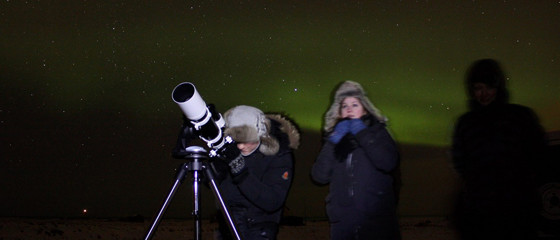
If heading out on a Northern Lights and Stargazing tour then wrap up warm, while the bus is nice and cosy, you will be standing out watching the Aurora in some very cold conditions.

As you have probably figured out, it is important to dress warm when you visit Iceland. The weather in Iceland is unpredictable, especially during winter. You might be lucky and get a lovely sunny day (6’c) but you still need a coat and hat, scarf, gloves. A cold day with strong winds (-10’c) requires warm clothing so layer up and make sure you consider your footwear. Every day is unique, enjoy it and enjoy wonderful Iceland
Here’s a video from a local vlogger talking through a packing list for winter in Iceland.
Sonia Nicolson-Guðrúnarson
Discover the magic of Christmas in Iceland
Discover the magic of Christmas in IcelandSee with your own eyes why CNN travel voted Reykjavik as the Top Christmas Holiday Destination. A package provided by Iceland Travel |
|
|
Discover the magic of Christmas in Iceland and learn about new and old Icelandic Christmas traditions with Iceland Travel. It is a season when short days are brightened by snow and every house is decorated by all types of Chistmas ornaments and lights. It is a traditions people decorate their homes and have some very nice garlands in windows. Your hotel Icelandair Hotel Natura will be beautifully decorated too. The hotel will be visited by the 13 Santa brothers, the Icelandic Yuletide Lads.
|
 
|
The 5 days itineraryDay 1 Arrival.Overnight in Reykjavík
Day 2. Christmas in Iceland: "The Mass of St Þorlákur", Dec. 23rdIn Iceland Thorláksmessa is part of Christmas. Most people use the day to finish decorating the home and the Christmas tree. In the evening people go out to Laugavegur and finish buying Christmas presents. Another tradition is to eat the putrefied skate with potatoes, but for many foreigners it is a challenge!
Day 3. Christmas Eve Day, Dec 24thYou will do a escorted morning hike with myth and mysteries expert through the woods of Öskjuhlið. You will learn about the secrets of the Icelandic folklore with all its elves, monsters and trolls stories. When you walk through the little forest small surprises will await you here and there! You will receive a little Christmas gift as a remembrance of this little journey. In the evening you will be having a festive Icelandic style Christmas buffet a la Satt Restaurant
Day 4. Christmas Day, Dec 25th.Today we suggest you see some of Iceland main attraction, such as going for the Golden Circle or bathing in the Blue Lagoon. In the evening you will enjoy a Christmas buffet a la Satt Restaurant.
Day 5. Departure.Today you will be departing from Keflavik Airport after some great Christmas in Iceland.
|
Iceland or outer space?
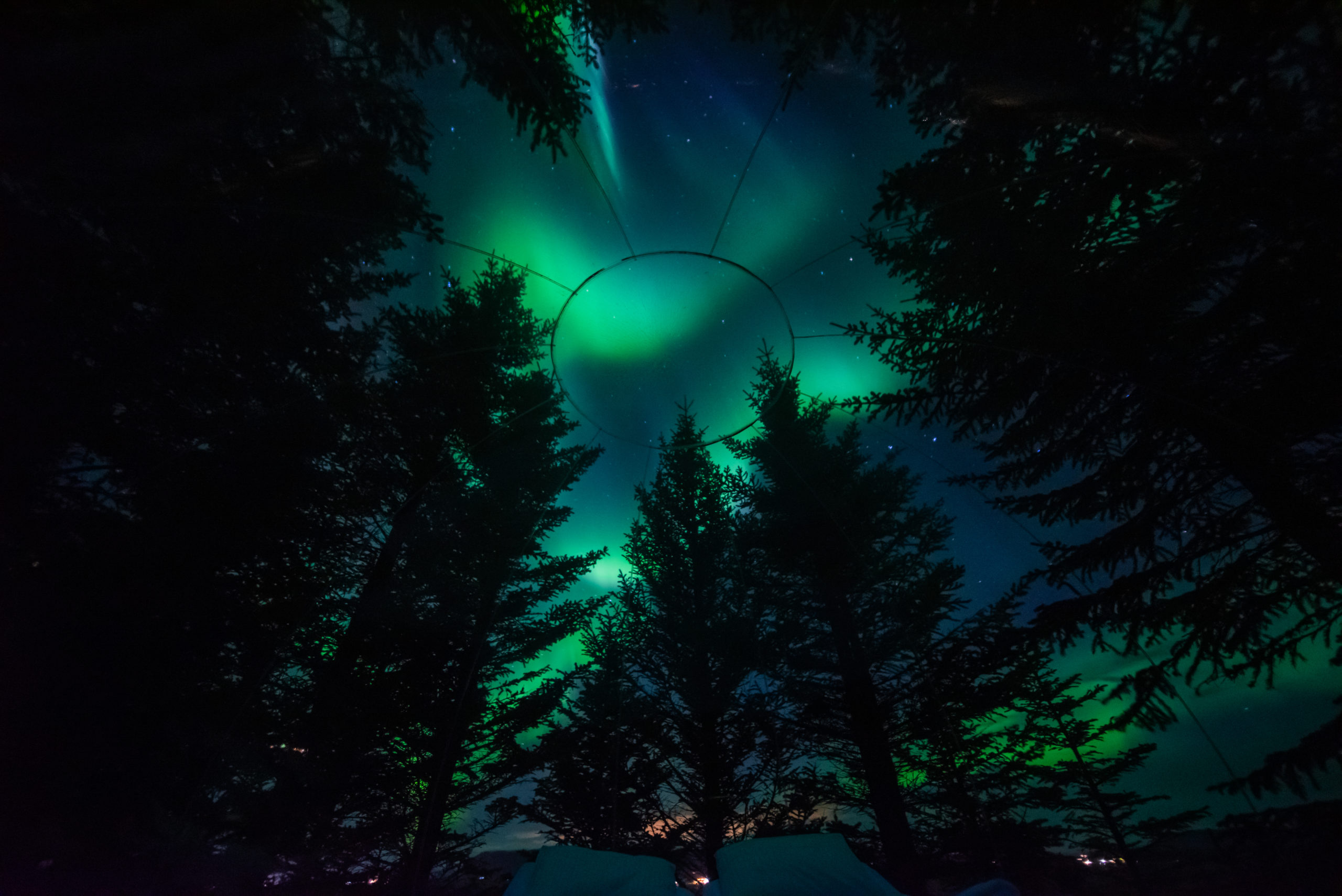
What Causes The Northern Lights - We prove the cause and effect
What Causes the Northern Lights?
What causes the Northern Lights? Most websites repeat the same scientific explanation — but here you will find something new. We not only describe the physics behind auroras; we also show the first real-time Cause → Effect model that visually proves how a solar eruption turns into Northern Lights above Iceland.
Using two live data sources — solar wind measurements and Earth’s geomagnetic response — our system draws a unique Cause & Effect Line that updates every few minutes. It allows you to see the chain reaction from the Sun to the sky, in a way no other forecast website currently offers.
This is new knowledge, built from our own API connections, and part of Airmango’s Aurora AI research project.
New Knowledge: Visual Proof of Solar Cause → Aurora Effect
For the first time, we show a live, scientific “cause-and-effect” timeline that connects:
- Solar Eruption (CME or Solar Wind Spike) →
- Travel Time Across 150 Million km →
- Arrival at Earth’s Magnetosphere →
- Geomagnetic Disturbance (Kp / Bt / Bz response) →
- Aurora Visibility in Iceland
This timeline is generated using our own data pipeline:
1. API 1: Real-time solar wind & CME data (NASA/NOAA DSCOVR & ACE satellites)
2. API 2: Geomagnetic response data (magnetometer readings + K-index updates)
These two APIs combined create new knowledge: A direct, real-time visual demonstration of cause → effect that is not available on any other Northern Lights website.
How Our Model Works (Simple Explanation)
We convert raw data into a human-friendly timeline:
- When a CME leaves the Sun, our system calculates its estimated speed.
- As it travels toward Earth, the time-to-arrival is updated.
- When it hits the magnetosphere, we detect the jump in Bt/Bz.
- The system then shows how this results in aurora probability in Iceland.
Scroll down to see our real-time Cause → Effect Line and understand — visually — how the Northern Lights are created.
🚀 CME Tracker – Visualizing the Cause
🚀 Active Solar Storm Journeys:
🛰️ En Route Details
CME #1 CME En Route
CME traveling at 569 km/s — 84% complete. ETA: 10h.
CME #2 CME En Route
CME traveling at 525 km/s — 49% complete. ETA: 32h.
CME #3 CME En Route
CME traveling at 364 km/s — 38% complete. ETA: 46h.
⚡ Live Visualization: This tracker shows Coronal Mass Ejection journeys in real-time, updated every 30 minutes.
Data: NASA DONKI • NOAA SWPC
Updated: Apr 2, 2026, 7:30 AM
The Science Behind the Northern Lights (Explained Simply)
The Northern Lights, or Aurora Borealis, are one of the most stunning natural phenomena on Earth. But they aren’t a weather event—they are a space weather event.
Step 1: The Sun Releases Charged Particles
It all starts with the Sun. The Sun is constantly releasing a stream of tiny, electrically charged particles from its surface. This stream is called the solar wind. Sometimes, the Sun has larger “explosions,” like solar flares or Coronal Mass Ejections (CMEs).
Step 2: The Solar Wind Travels Toward Earth
These solar wind particles travel through space at incredible speeds, often over a million miles per hour (1.6 million km/h). It typically takes this “wind” about 1 to 3 days to cross the 93 million miles (150 million km) to reach Earth.
Step 3: Earth’s Magnetic Shield Is Hit
If this solar wind hit Earth directly, it would be harmful. Luckily, our planet has a protective, invisible “force field” called the magnetosphere. This field deflects most of the solar wind safely around us, but acts like a funnel at the North and South Poles.
Step 4: The Atmosphere Lights Up
As the high-energy solar particles are funneled down, they slam into Earth’s upper atmosphere. When they collide with gas atoms (mostly oxygen and nitrogen), they transfer energy, causing the atoms to release light.
Why Auroras Have Different Colours
Oxygen (Green & Red Aurora) Explained
Green is the most common color, caused by particles hitting oxygen atoms at lower altitudes (60-150 miles). Red is rarer and happens when oxygen is hit at very high altitudes (above 150 miles).
Nitrogen (Pink & Purple Aurora) Explained
Blue, pink, or purple colors are usually caused by particles hitting nitrogen atoms.
FAQ: New Knowledge Aurora Insights
Q: What makes your aurora explanation different from other websites?
Because we use a real-time Cause → Effect Line that links solar eruptions to visible auroras. This data is produced through our own API pipeline and does not exist anywhere else online.
Q: How does your system prove the link between the Sun and auroras?
We combine raw solar wind measurements with Earth’s geomagnetic response. When a CME hits Earth, our visual line shows the immediate reaction in the atmosphere.
Q: Is this information available on standard aurora forecast websites?
No. Traditional sites show forecasts or indexes, but none provide a continuous real-time chain from solar eruption → magnetosphere disturbance → aurora visibility in Iceland.
Q: Are you creating new scientific data?
No — we are creating new knowledge, not new raw data. Our system transforms existing API data into a unique visual model and simplified explanation.
Research & Methodology
Our Cause → Effect Aurora Model is built from two live scientific data streams:
- Solar Wind & CME Data: From NOAA/NASA DSCOVR & ACE satellites.
- Geomagnetic Response Data: Real-time magnetometer readings and K-index disturbances.
By combining these, we create a visual timeline that shows the step-by-step reaction from Sun → Earth → Auroras in Iceland. This is original interpretation representing new knowledge created by Airmango’s Aurora AI project.
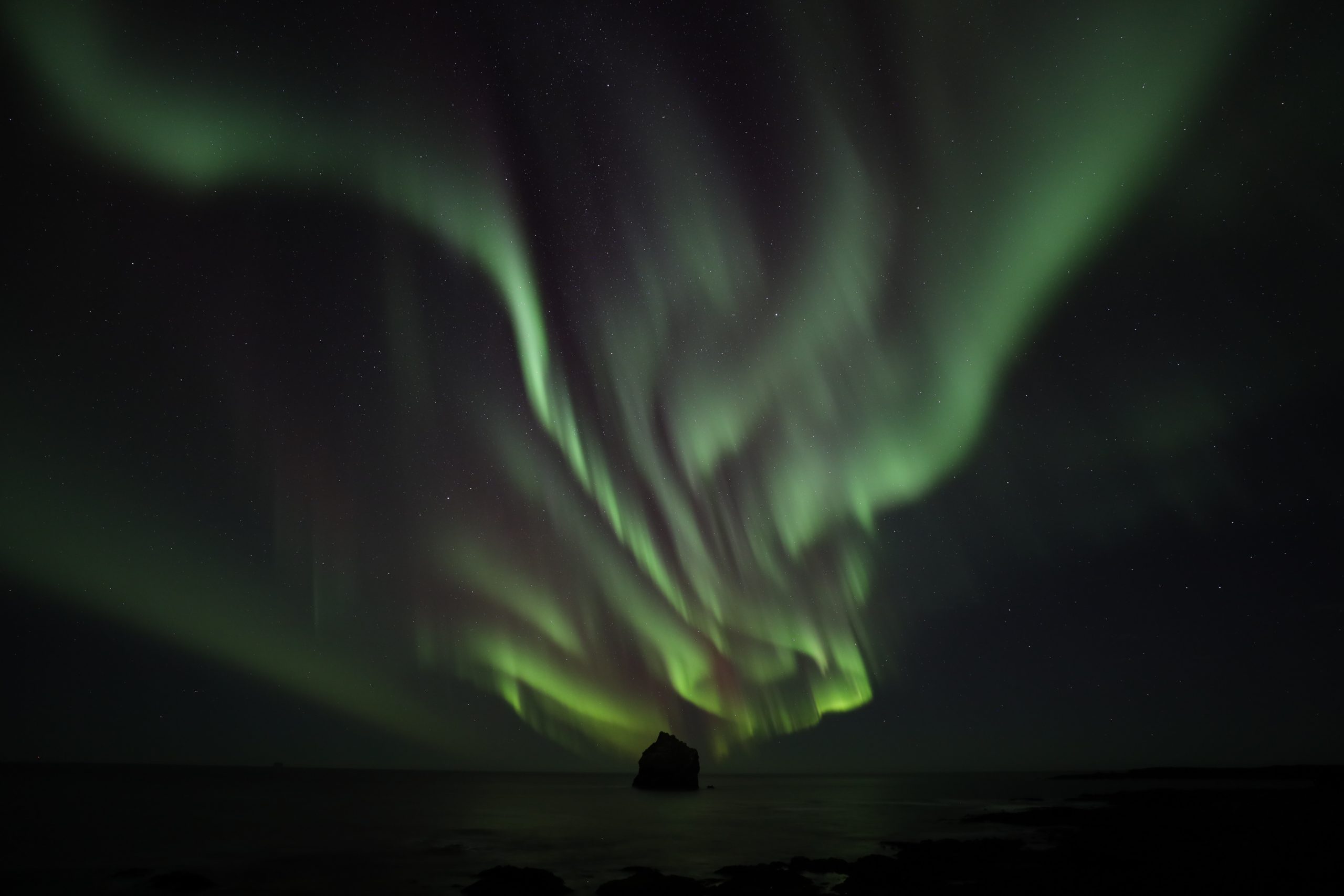
What are the Northern Lights?
For many years, people in the polar regions have been mystified by the dancing of bright lights in the darker months. This wonder continues today. But what are the northern lights, and why do they happen?
What are the northern lights?
Long story short, the northern lights are the visual byproduct of intense space weather. They are a natural phenomenon related to a multi-step process, similar in a way to lightning, rainbows, or even colorful sunsets.
The things that cause them are primarily unseen, and occupy the space around us in our atmosphere. These are things like atmospheric gases, high powered electrons, and our geomagnetic field.
The true wonder of all of this is that sometimes all of these things align into a moment of interaction- and when we are lucky, we can see the magic of auroras.
It all starts here on Earth
Earth is a special planet. It is one of the few places that we know of that can support human life. One of the many reasons that this is possible, is because we are protected from harsh space weather by our geomagnetic field. Many other planets also have a magnetic field, but ours is one of the strongest.
The core of the Earth is filled with layers of partially molten iron under great gravitational pressure. This area of iron is huge, and because of the different temperatures, there is a fair amount of movement occurring here.
The hottest material rises, causing swirling convection currents inside the Earth. You can see a current like this in a pot of boiling water. The way that those bubbles spiral up to the surface, is a lot like what is happening inside the Earth. The movement of all of this metal makes electrical currents that rise up through the Earth’s surface, and create magnetic fields.
However, that isn’t the end of it! The Earth is also spinning, which causes additional movement in an effect called ‘the Coriolis Force’. This force combines all of those magnetic fields into one larger magnetic field, which protects all of us from radiation and solar wind, and forms the magnetosphere.
Because we can’t see the magnetic field, we normally represent it by drawing lines. These lines go into and out of the Earth, meeting at the poles, making the Earth look like an exceptionally round butterfly.
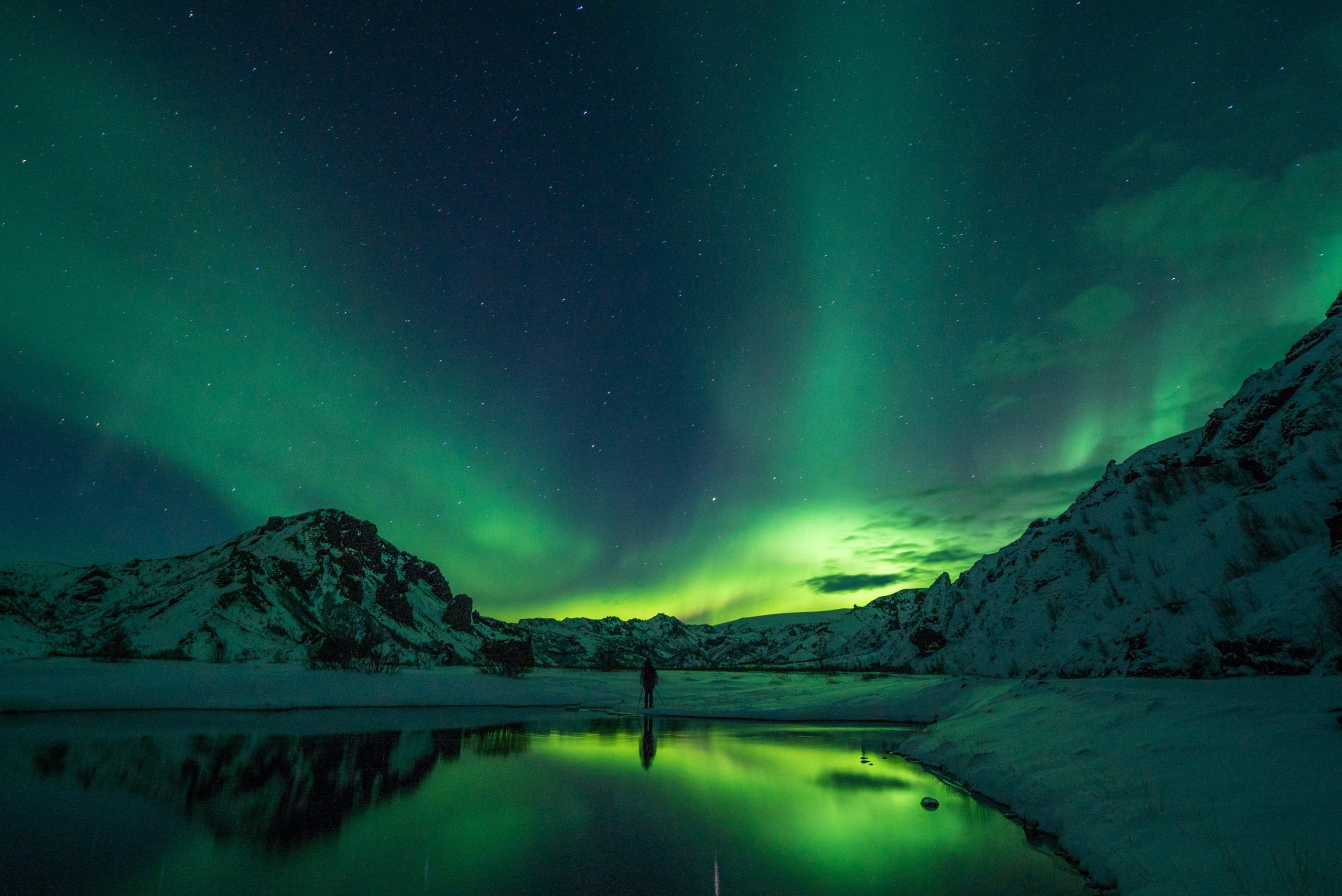
From the sun, with love
So we know about Earth and its magnetic field. But where does the actual aurora come from? While the Earth is creating convection currents, a similar thing is happening in the Sun, a star that is nearly 15 million degrees Celsius at its core.
As the pressure and movement within the sun push outwards, magnetic fields form here as well. The stronger ones are able to push through to the surface, slowing as they cool, and creating sunspots. We pay attention to these dark spots on the Sun, and often predict large auroral activity by their reappearance.
But back to the action! The electrically charged gas (or plasma) that exits the sun contains the magnetic fields that were just created. When this massive “ball” of plasma breaks away from the surface, it is ejected out into space as a “solar storm”. (Smaller versions of this kind of expulsion happen frequently, and are often referred to as solar wind.)
Depending on the strength of the solar storm and the obstacles that it meets along its way, its speed and travel time can vary. That is why auroral forecasts are not always perfectly timed, it can be challenging for us to measure these factors.
The lucky collision
If everything lines up and the sun sends a solar storm in our direction, it will first have to pass over Mercury and Venus, before it gets to us. But when it does finally arrive, a strange sort of collision occurs between us and the solar storm.
The magnetic field inside the solar storm clashes with our magnetic field, and combines. Once they are connected, the charged gases travel down the imaginary lines of the connected magnetic field, traveling to the poles that attract it.
As the storm passes over us, these imaginary lines go with it, eventually breaking and reconnecting on the other side. This breakage creates another opportunity for gas to travel down to the poles, as the storm moves away.
An aurora is made
The gases carried within the solar storm have arrived, and are traveling down to the places on our planet where the magnetic force is the strongest, the poles. But how does all of this make an aurora?
The gas that is now in our atmosphere contains supercharged protons and electrons, or ions. This energy becomes trapped in our ionosphere, around the north and south pole in a shape we call the auroral oval.
When this happens, they will eventually collide with pockets of oxygen and nitrogen in our atmosphere- which is the big moment that we are waiting for.
At the moment of this crash between ions and gases, energy is released that creates a glow, or an effect of visible light. You’ve seen many interactions like this here on Earth, like the interaction that creates neon light in signs.
This is an exciting moment, and a reminder of how small we are in the scale of the universe. But it is also only the beginning of the aurora’s visual journey to us, once it arrives. Because next, we have to learn about all of the Earth factors that have to line up and cooperate, for us to even begin to be able to witness this incredible natural phenomenon with our own eyes.
Northern Lights Forecast for Iceland
Will there be northern lights tonight?
We analyse your chances of seeing the Aurora at your current location.
Will there be Northern Lights tonight at your location?
Take a quick photo of your sky — our AI will analyze it and tell you your real chances of seeing the aurora right now. Every photo helps improve our AI forecasting model so people everywhere can find the lights more easily.
Take a quick photo of your sky — our AI will analyze it and tell you your real chances of seeing the aurora right now. Every photo helps improve our AI forecasting model so people everywhere can find the lights more easily.
By uploading, you agree that your photo and its metadata may be stored and used to help train the Aurora AI model. Read Privacy Policy
More on Northern Lights Forecast
The Northern Lights season runs from 1st September, through winter, until 15th April, typically.
To see the Northern Lights with your naked eye, you need:
- Darkness (winter only)
- Clear skies (no clouds)
- Aurora activity (Northern Lights)
Todays Cloud Coverage and Satellite Images of the Aurora
Here’s How To Read The Map
The map is updated daily and gives you an indication of Northern Lights viewing. It’s a little confusing as the green colour is very similar to the colour of the actual Northern Lights but in fact the map shows green as cloud coverage and white as clear skies. The white areas are where you need to head for.
On the map you can see areas of white, light green and dark green. The white colour in the forecast means no clouds, so clear sky. This is ideal as you need to have a clear sky to see the Northern Lights. The light green means partly cloudy and dark green means very cloudy so a low chance for sightings as the visibility is low.
Basically if you can see the stars, then you have a chance of seeing the lights.
Why Does Cloud Coverage Matter?
The reason why we want to have the areas without clouds (or light clouds) is because it is impossible to see the lights when the sky is covered with clouds. When it is partly cloudy (light green areas) you still have a chance seeing the lights by finding a gap in the clouds.
How Often is the Map Updated?
The forecast is updated around 6pm daily so it’s best to keep a close eye on the forecast before heading out on your hunt.
For more information on viewing the Northern Lights in winter time, please read this article.
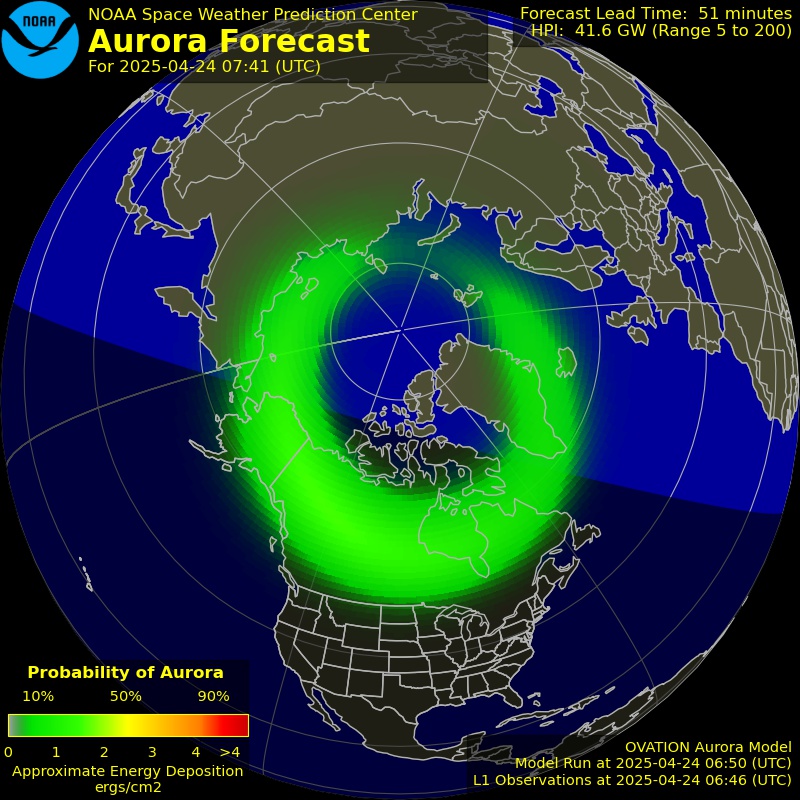
How are the Lights Monitored and Expressed?
Satellites are the main tool for observing and monitoring the sun and particle fluxes heading for Earth. Without these it would be difficult to create a reliable Northern Lights forecast. The National Oceanic and Atmospheric Admin of the USA (NOAA) operates a couple of these, both covering the rear and the front of the Sun. The satellites both generate images and have sensors for observing particle fluxes from the sun. By using these observations we are able to create a Northern Lights forecasts based on numerical simulations and forecast models.
Try Visual Composer
I am text block. Click edit button to change this text. Lorem ipsum dolor sit amet, consectetur adipiscing elit. Ut elit tellus, luctus nec ullamcorper mattis, pulvinar dapibus leo.
I am text block. Click edit button to change this text. Lorem ipsum dolor sit amet, consectetur adipiscing elit. Ut elit tellus, luctus nec ullamcorper mattis, pulvinar dapibus leo.
I am text block. Click edit button to change this text. Lorem ipsum dolor sit amet, consectetur adipiscing elit. Ut elit tellus, luctus nec ullamcorper mattis, pulvinar dapibus leo.
Here is a title
The New Year in Iceland seen from a Wi-Fi quadricopter
The New Year in Iceland
Bird-eye view from a Wi-Fi quadricopter
Great video from Andres Sighvatsson living in Iceland

Expert on the northern lights in Iceland
Expert on the northern lights in Iceland

- Expert knowledge of the northern lights
- Years of experience: 15 years
Robert S. Robertsson is our expert for the northern lights in Iceland. He is the owner of this northern lights website and has written most of the northern lights articles on the site. He is born in the southern part of Iceland and has lived in Iceland for over 27 years - and knows about all the local gems and has first hand experience of most of the tours and activities available.
He can help you with booking the right tour, finding the right hotel and simply give you answers on where it is best to see it and e.g. when in the year and all the questions that come up when planning at trip to Iceland to see them.
How can he help?
He can help you with booking activities in his area of expertise - anything in relation to northern lights viewing and planing your trip to Iceland. This can be e.g. when best to see the lights, where to stay, which tours to do and so forth. His local advises are free of charge for the traveler.
Send a message to Robert here
Error: Contact form not found.
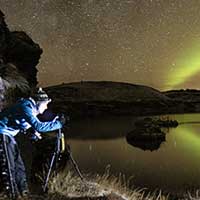
Northern lights photography expert
Northern lights photography expert
- Expertise: northern lights photography
- Years of experience: 15 years
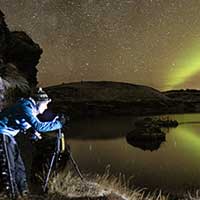
Sigurður Jónsson is our expert for the northern lights photography in Iceland. He has been doing aurora shooting for long time and has both experience of the still images and video. He did his undergraduate study in USA and has been working as photographer in Iceland for over 20 years now. He should be able to help you in this regard and also help you find the right tour and hotels for this type of travel services.
How can he help?
He can help you with booking activities in his area of expertise - anything in relation to northern lights photography and related things. This could be where best locations are for shooting northern lights photos, when best to do it, what type of cameras and so forth. His local advises are free of charge for the traveler.
Send a message to Sigurður here
Error: Contact form not found.
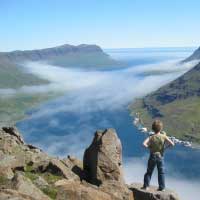
Expert on the East fjords in Iceland
Expert on the East fjords in Iceland
- Expertise: Eastfjords in Iceland
- Years of experience: 23 years
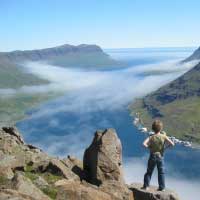
Sigríður Jóna is our expert on the Eastfjords in Iceland. A area with amazing nature and has many gems of natural wonder. She is located in the area and runs her own travel agency, so she knows the area very well and can help you with various subjects related to the Eastfjords in Iceland.
How can she help?
She can help you with booking activities in her area of expertise - the Eastfjords in Icealnd. This could be where it is best to stay, when to go there or if it is safe to travel by rental car in the winter time. Her local advises are free of charge for the traveler.
Send a message to Sigríður here
Error: Contact form not found.
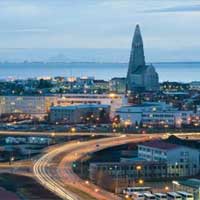
Expert on Reykjavik
Expert on Reykjavik in Iceland
- Expertise: Reykjavik in Iceland
- Years of experience: 27 years
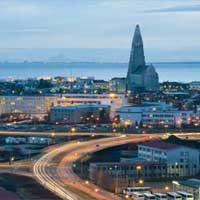
Hilmar Jónsson is our travel expert on the Reykjavik area in Iceland. The capital of Iceland. He is located in the area and runs his own travel agency, so he knows Reykjavik very well and can help you with questions in regard to the nightlife, hotels to stay at and much more.
How can she help?
He can help you with booking activities in her area of expertise - Reykjavik in Iceland. This could be where it is best to stay, where to go for the nightlife or what restaurants are best. He runs his own travel agency and might help by suggesting trips they are doing but only if it fits the need of the traveler. His local advises are free of charge for the traveler.
Send a message to Hilmar here
Error: Contact form not found.
Thrifty.is - compact car rental in Iceland
Thrifty.is - compact rental cars in Iceland |
|
|
Eent a car from Thrifty at four rental locations: Reykjavik, Keflavik airport, Akureyri Down Town and Akureyri airport. Rates at Thrifty are all inclusive with no hidden charges at all. The rates include CDW insurance with self-risk, unlimited mileage, vehicle theft protection and all taxes. Thrifty is certified by ISO 9001 and offers free bus service and we do everything we can help you easily change or even cancel your booking when you need to do so - with no questions asked.
|

|
Seljalandsfoss, Skogarfoss & Glacier
[vslider name="17"]
Seljalandsfoss, Skogarfoss & Glacier
Great tour to Seljalandsfoss, Skogarfoss and a glacier in South Iceland with Arctic Adventures
|
On this beautiful winter hike tour with Arctic Adventures you will be picked up in Reykjavik on one of our modified super jeeps. We will then drive Hellisheidi Mountain and go for the 1000 rivers moutain road where we will cross the river many times before going down to the low lands on Iceland´s south coast. In the south we begin by stopping at Seljalandsfoss Waterfall, one of Iceland´s most beautiful waterfalls, which we can walk behind the veil of water. After this we will visit Solheimajokull Glacier. At the glacier we will put on spikes for the soles of our shoes and other needed gear. With a expert glacier guide we will hike around on foot. Close by is the infamous Eyjafjallajökull volcano. After the hike we will eat a packed lunch out in the nature. Then we will follow a river down to the black and beaches. On our super jeep we will drive on the sand with the relentless surf of the North Atlantic Ocean on our left side. We will then enter the road again close to the famous Skógarfoss waterfall. We will then drive back to Reykjavik and be there around 18:00 |
 |
What is great with this tour?
The southern part of Iceland is one of the most amazing part of Iceland. You will be able to combine seeing some of its greatest diamonds like Seljalandsfoss and black sand beaches, with being out in its harsh nature - a glacier hiking. This means you are not only sitting in a car all the time and watching you get in a better touch with the Icelandic nature than the normal tourist tours.
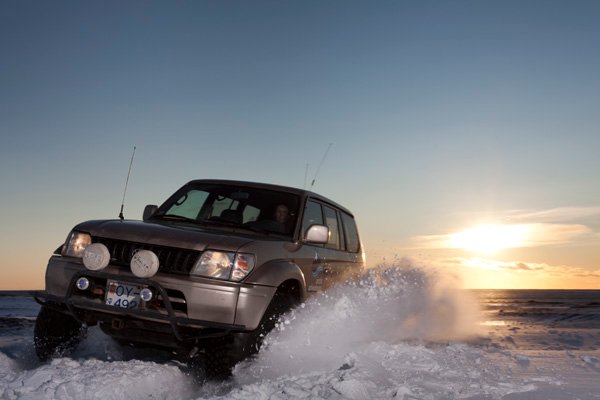 |
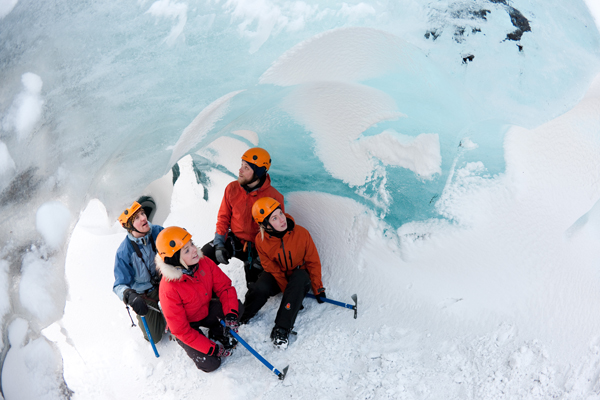 |
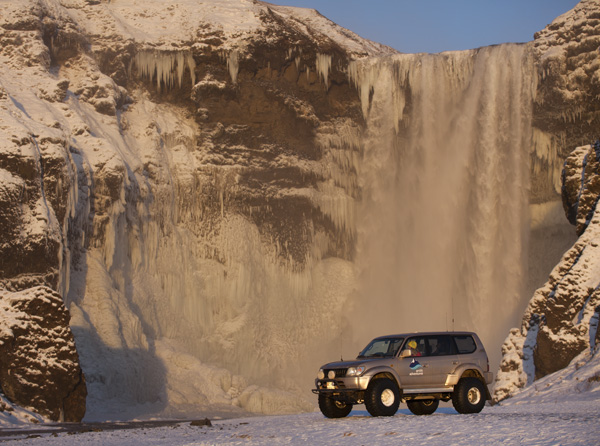 |
|||
Elves in Iceland
Elves in Iceland
What is it all about?
Artist and Seer Ragnhildur Jonsdottir has communicated whith the Elves in Iceland since her early age. Ragnhildur will tell you about the huldufolk, elves and other magical beings in Iceland, their dwellings and their desire to live peacefully with the human beings. The 45-55 minute walk through the amazing Hellisgerði Lava Park in the friendly harbor town of Hafnarfjordur, 17 minutes away from central Reykjavik, will help us understanding the invisible world of "huldufolk". You can ask her about all the things you have ever wondered about the Elves. When the walk is done you can visit the small Elfgarden cafe to continue the talk, enjoy the art inspired by the "huldufolk" and get some coffee or tea.!
This mini-tour is suitable for everyone!
Price is ISK 4000 per person (includes coffee and the book „How you can see an elf“)
Coffee on the Arctic Circle
Coffee on the Arctic Circle
What is it about?
 In Iceland coffee is an institution. With around 8.7 kilos of beans every year, this small island in the north drinks more coffee per capita than France and the UK combined. Why?
I will take you for a tour around the small cafes in Reykjavik where we will try out and see the art of Icelandic coffee brewing. A great way to spend your time while you wait for the northern lights to show up. Competition is very harsh and many high quality venues to discover, the only question is, how many cups of coffee can you take?
This activity is suitable for everyone, including beginners having no coffee drinking experience at all!
The cost is ISK 6000.
Going to Iceland
Northern light in Iceland. Shot on various locations - beautiful scenery and amazing work done. Takes a lot of patience to shoot this.
See them in Reykjavik, Iceland
See northern lights in Reykjavik, Iceland. Time-lapse shot made during a night in winter wonderland Iceland.
See the northern lights tonight !
See the northern lights tonight at Grundarfjordur, Iceland. Short but beautiful shot of the northern lights in Iceland.
Breathtaking show of borealis and beautiful scenery in Iceland
Breathtaking show of borealis and beautiful scenery in Iceland. Amazing photographs in this video. Not only northern lights but also more nature scenery from Iceland.
Auroras Borealis in Iceland
Beautiful Auroras Borealis shots in Iceland. Shot close to Hotel Ranga, near Hella in south Iceland.
Northern lights in iceland
Northern lights in Iceland, WestfjordsEnjoy a wide range of outdoor activities while you wait for the northern lights in Iceland in a stunning setting in the Westfjords, with Icelandic Farm Holidays. |
|
|
This fantastic 5-day tour with Icelandic Farm Holidays is for travellers who want to escape from a busy city life to relax and enjoy nature at its best. The tour is based at Heydalur, a country hotel in a beautiful valley inside Mjóifjörður fjord in northwest Iceland. The tour includes return transfer from Reykjavik to Heydalur, 4 night‘s accommodation at Heydalur, a guided fishing tour by snowmobile or jeep, an excursion around the beautiful Heydalur Valley and a choice between an excursion to Ísafjörður town or activities such as kayaking and horse riding. In the evenings you can enjoy freshly prepared local food in the converted barn and afterwards bathe in a natural hot spring pool and wait for the magical northern lights to appear. View more information about Heydalur including photos and video here
|

|
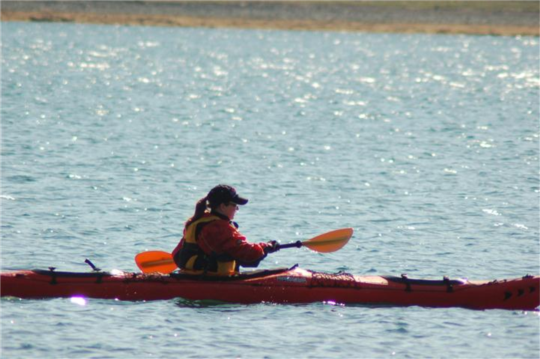 |
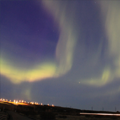 |
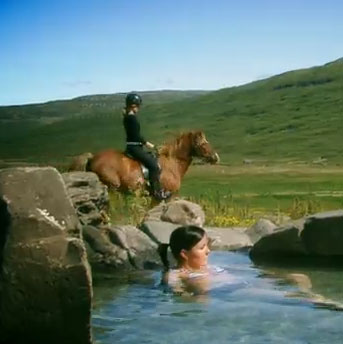 |
 |
||
What is unique about this tour?Because of the impossibility to know exactly when the northern lights in Iceland will show up, it is a good idea to plan your trip to a place where many other activities are on offer. At Heydalur there is so much you can do and the remote location far up north maximises your chances of seeing the northern lights. The Westfjords are the most rugged part of Iceland, offering breathtaking scenery including steep fjords, mountains, bird cliffs, waterfalls, beaches and natural hot springs perfect for bathing.
|
|||||
What to see on the south coast?
What to see on the south coast?
Seljalandsfoss
Skógafoss
Reynisfjara beach
Kirkjubæjarkaustur
Skógar museum
Dyrhólaey
Jökulsárlón
The amazing aurora in Iceland
The amazing aurora in Iceland
What are the Northern Lights?
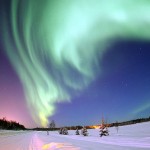 “Aurora borealis” is another name for the Northern Lights. Aurora is Latin for the Roman goddess of sunrise, Dawn. In the high northern latitudes, the Aurora is a stunning display of curtains of colored lights in the sky, chiefly visible at the beginning and end of winter.
 When to Look for Northern Lights in Iceland
 Northern lights in Iceland are visible for nearly 8 months in a year. This gives tourists a long window to marvel at the marvelous sight without having to travel to Alaska or northern Scandinavia. You don´t have to drive far from the capital to see them either. If it is too bothersome to leave the comforts of Reykjavik, you can see these beautiful lights from downtown. From the city center, the aurora may not so bright but still a marvelous natural phenomenon. Each night, there is a Northern lights forecast, which you can take note of to maximize your viewing pleasure.
 Where to Find the Northern lights in Iceland
Plan Your Own Northern Lights Hunting Trip
Rescue work in north Iceland
13. Sept. 2012 - Farmers in northern Iceland did not expect a snowstorm end-of-summer
See a whale breaching in Iceland
See a whale breaching in IcelandIt is unique experience to watch these lovely animal breach in the ocean |
|
|
This idea is not only for animal lovers, it is for anyone visiting Iceland. Whales are such a wonderful creatures and you need to see it breach in the ocean at least once in your lifetime. The video is shot close to Reykjavik on a Android phone by the author of this Pinterest account. See the itinerary below how to get to our preferred whale watching tour company - Specialtours
|

|
The itinerary |